About Mizuhopecten yessoensis (Jay, 1857)
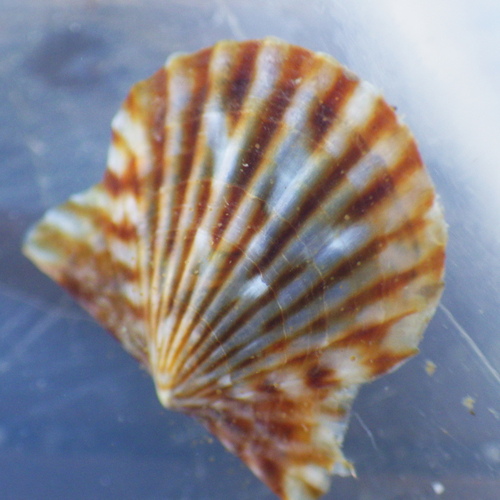
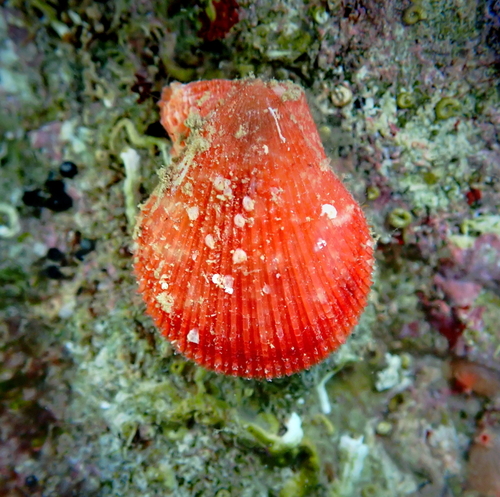
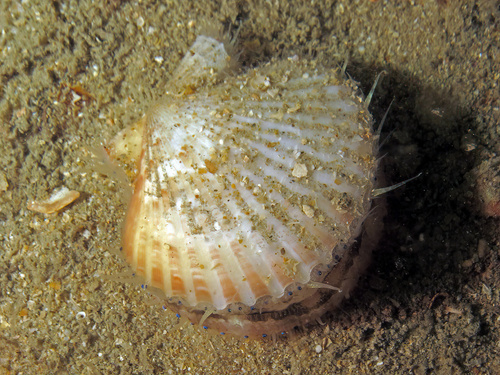
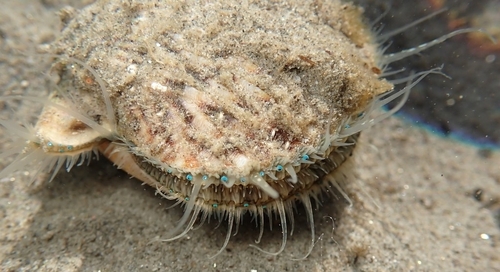
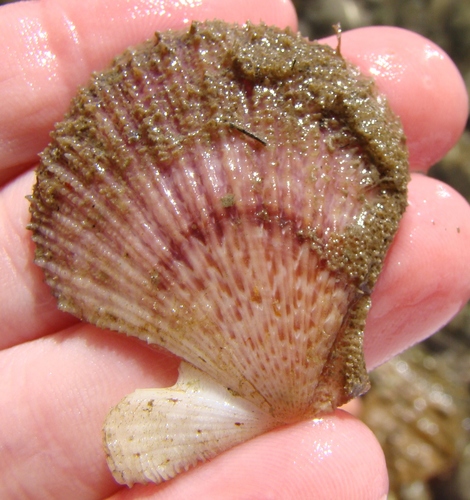
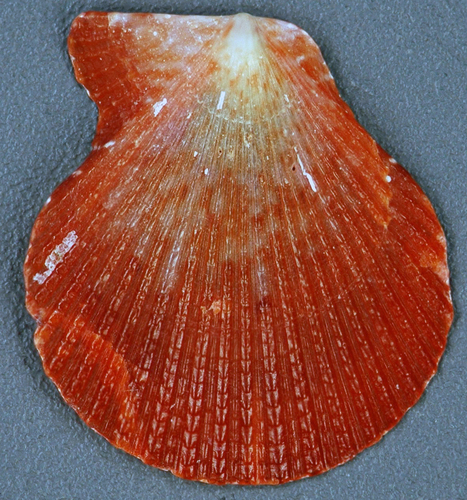
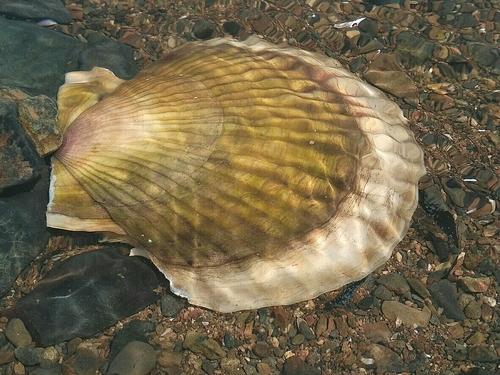
The Yesso scallop, scientifically named Mizuhopecten yessoensis, is a cold-water marine bivalve species. Its two valves each have a convex center, and the outer surface of the shell is smooth. One valve is white, while the other is dark brown. This scallop species is widely distributed along the cold coasts of Northern Japan. Commercial scallop cultivation occurs on the northern islands of Honshu and Hokkaido. From 1991 to 2002, more than 80% of total Yesso scallop production came from the Sea of Okhotsk, Saroma Lake, and Funka Bay in Hokkaido. Water temperature is a key factor controlling the timing of both spawning and larval settlement for the Yesso scallop. Yesso scallops generally spawn between May 1 and June 9, over a 10-day spawning period. If surface water temperatures stay below 0°C for an extended time, spawning will start later than usual. Lower temperatures throughout April can also affect when spawning begins. A shorter pre-spawning period, defined as the time between when surface water temperature rises above 0°C and May 1, is another factor that contributes to delayed spawning. The timing of larval (spat) settlement is also closely tied to water temperature: the colder the pre-spawning period, the later larval settlement occurs. Larval settlement of Yesso scallops typically begins between June 4 and July 5, and lasts for around 15 days. The maximum upper temperature limit for Yesso scallop development is 18°C. In Japan, this species is called hotate-gai, and its adductor muscle is commonly eaten raw as sashimi and sushi. In China, Yesso scallops are sometimes dried to produce conpoy, which is typically referred to as "Japanese conpoy".