About Misgurnus fossilis (Linnaeus, 1758)
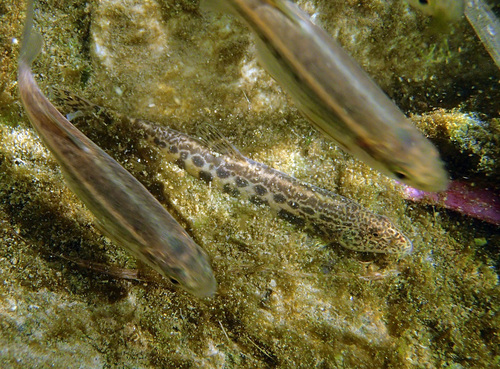
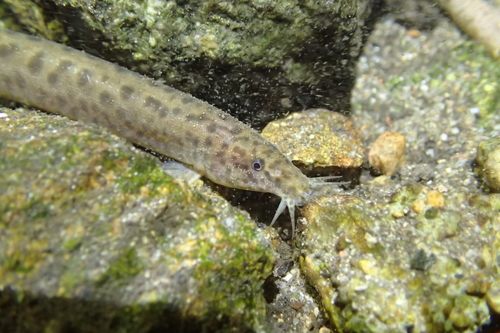
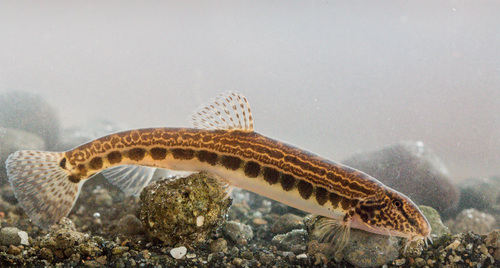
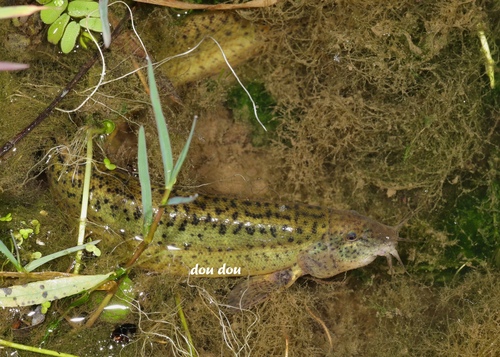
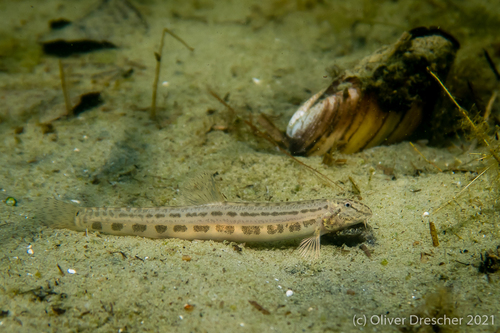
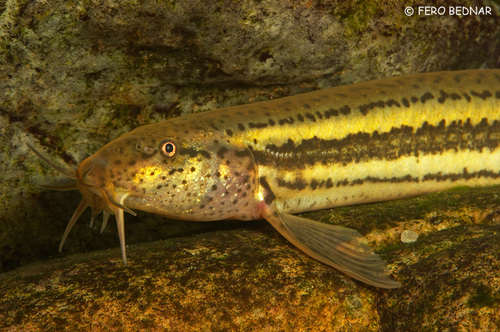
Misgurnus fossilis, commonly called the weatherfish, is a species of true loach with a broad distribution across Europe and parts of Asia. It is an omnivorous scavenging bottom feeder that uses its sensitive barbels to locate food. Its diet is mostly made up of small aquatic invertebrates, with some detritus included. The weatherfish has an elongated, slender body shape that lets it burrow through substrate and navigate spaces that deeper-bodied fish cannot easily move through. This species reaches a maximum confirmed total length of 30 cm (12 in), though some fishers report catching individuals up to 45 cm (17.7 in) long. If these reports are accurate, Misgurnus fossilis would be the largest true loach species. Its range is very broad, especially across Europe. It occurs north of the Alps, stretching from the Meuse River in western Europe to the Neva River in northwestern Russia. It is also found in the northern Black Sea basin, from the Danube River to the Kuban River, and in the Volga and Ural River drainages that flow into the Caspian Sea. It has been introduced to a small number of areas outside its native range, but it is far less widely introduced than the related pond loach Misgurnus anguillicaudatus. Adult weatherfish inhabit dense patches of aquatic vegetation, while juveniles prefer shoreline areas of very shallow water with high amounts of detritus. Neither adults nor juveniles are found in open, vegetation-free areas. Because of this species' specific habitat needs, dredging and aquatic weed removal threaten its populations. While the weatherfish is classified as Least Concern on the IUCN Red List, it receives legal protection across most of its range. Weatherfish can survive in habitats that would kill many other fish, thanks to their ability to breathe atmospheric oxygen. In low-oxygen conditions, weatherfish swim to the surface to gulp air. The swallowed air passes through their intestines, where an extensive network of blood vessels extracts oxygen, before the remaining air is expelled through the anus.