About Mimus gundlachii Cabanis, 1855
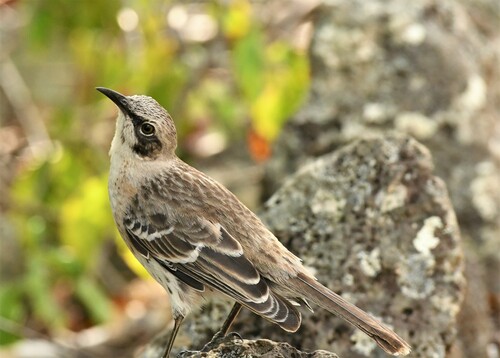
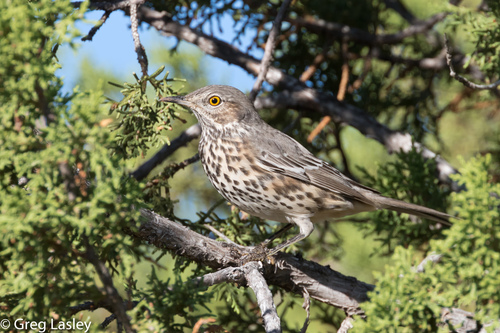
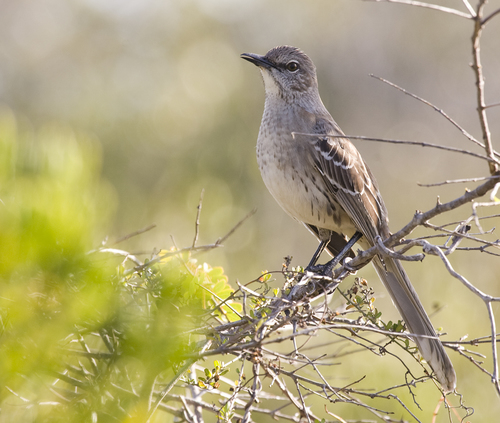
Bahama mockingbird (Mimus gundlachii Cabanis, 1855) measures 28 cm (11 in) in length, and weighs between 57 and 85 g (2.0 and 3.0 oz), with an average weight of 66.8 g (2.36 oz). Adults of the nominate subspecies have a mottled face marked by a pale supercilium. Their upperparts are brownish gray with dark streaks extending from the crown down to the lower back. The tips of their outer tail feathers are whitish. Their underparts are light gray, with light streaking on the upper breast and more prominent streaks on the flanks. Juveniles share this general appearance but have more densely spotted underparts. The subspecies M. g. hillii has more prominent streaking on the back than the nominate subspecies, and the white tips on its tail feathers are larger. The nominate subspecies is distributed across the Bahamas, the Turks and Caicos Islands, and the Sabana-Camagüey Archipelago off Cuba's north coast. The subspecies M. g. hillii occurs only in southern Jamaica. Except in Jamaica, the Bahama mockingbird lives in a range of biomes: coastal strand, semi-arid scrub, open woodland, and plantations. In Jamaica, it occupies dry scrubby woodland on limestone hills. Where the Bahama mockingbird's range overlaps with the related northern mockingbird (Mimus polyglottus), it appears to prefer taller, denser vegetation.