About Microlophus bivittatus (Peters, 1871)
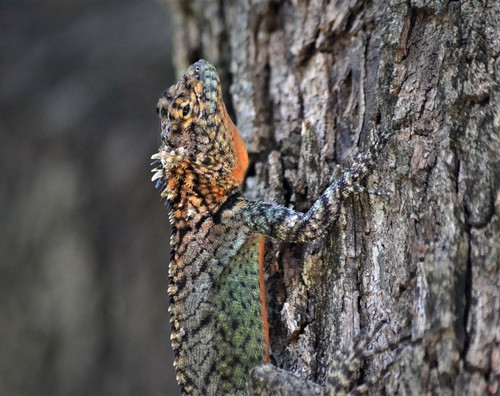
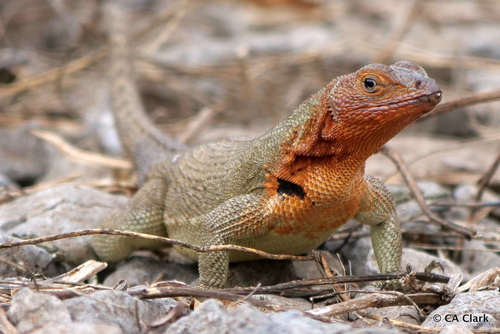
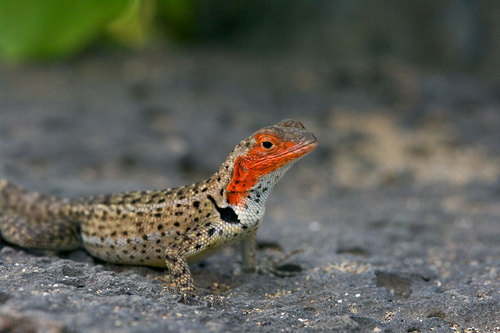
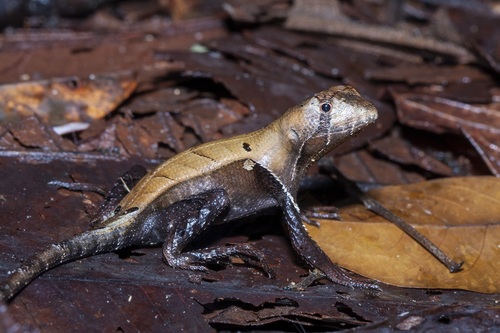
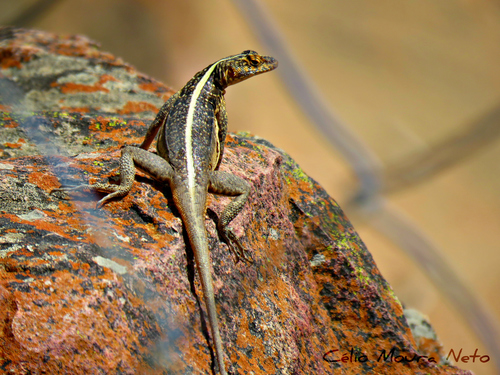
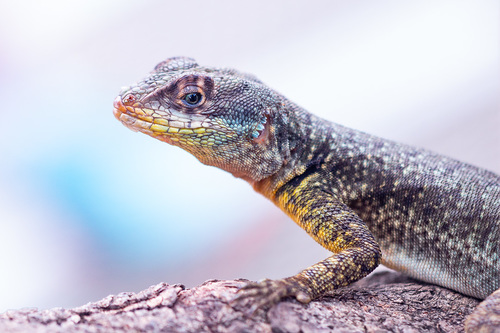
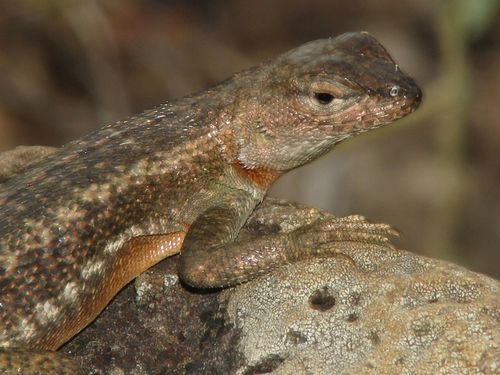
Microlophus bivittatus, commonly known as the San Cristóbal lava lizard, is a species of lava lizard that is endemic to San Cristóbal Island in the Galápagos Islands. While this species is most commonly classified within the genus Microlophus, it has also historically been placed in the genus Tropidurus. It is currently threatened by invasive feral cats living on its native island. This species is closely related to Microlophus occipitalis, which evolved as a radiation event originating from M. bivittatus. Like other lava lizards, the San Cristóbal lava lizard follows a specific breeding ritual: males compete with one another through head bobbing behavior, rather than engaging in direct physical conflict. Studies of this behavior have found that head bobbing elicits a greater response when the response to the signal occurs immediately, compared to when the response is delayed by 30 seconds. Larger males receive higher levels of aggressive behavior from other males, and more assertive responses from females. Currently, there is no available data to support the hypothesis that ecological competition is stronger between individuals of the same sex.