About Maytenus boaria Molina
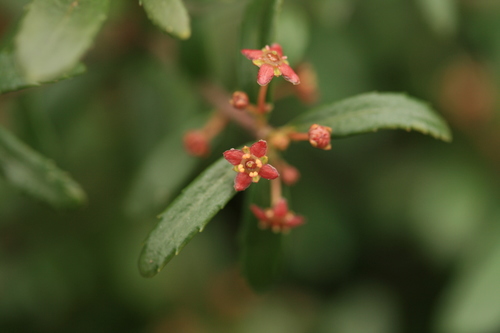
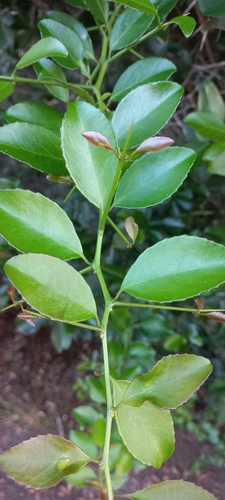
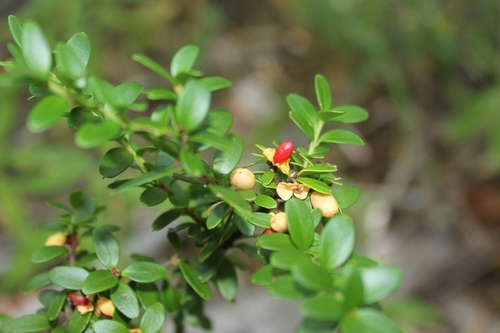
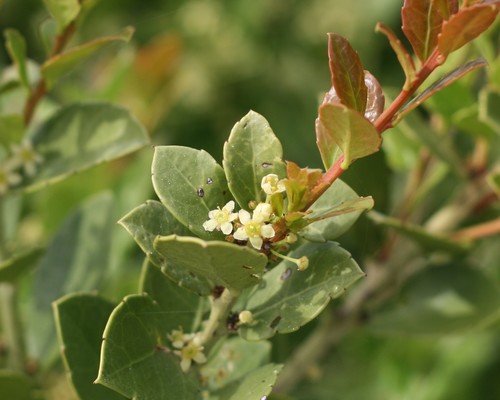
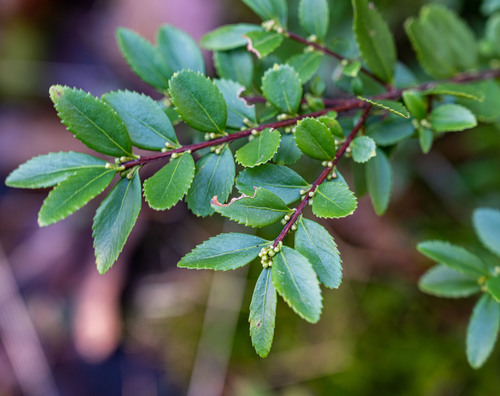
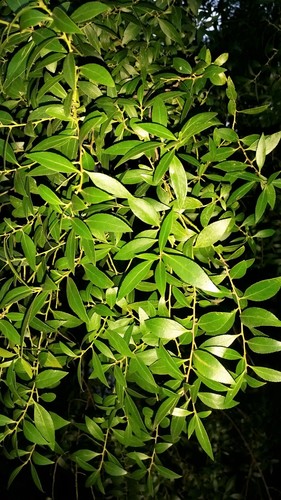
Maytenus boaria Molina has small, alternate, elliptical leaves with finely serrated margins, a light green color, and a length between 2.5 and 5 cm. Its flowers are small: male flowers are brownish yellow, while female flowers are green with purple lines. The fruit is a yellow bivalve capsule that holds one or two seeds, and is covered by a red membrane. Its seeds are easy to germinate, and the species can be easily planted from seed. Oil obtained from its seeds is used to make varnish. Its hard wood is used for tool handles. The tree is grown as an ornamental in gardens and for reforestation in Chile. European bees produce very delicious honey from its flowers. Its tender leaves are used to feed cattle; the specific epithet boaria means bovine, because cattle enjoy feeding on these leaves. The mayten tree is fully naturalized in New Zealand, where it is spreading very rapidly in the Canterbury region. It is now classed as an invasive species there, and it is illegal to sell or distribute it in New Zealand. A small number of trees have been planted in California gardens and private collections in Spain, and all of these trees have acclimatized to these areas. It has been planted on the North Pacific Coast of the United States as far north as Seattle, Washington, and Vancouver, British Columbia.