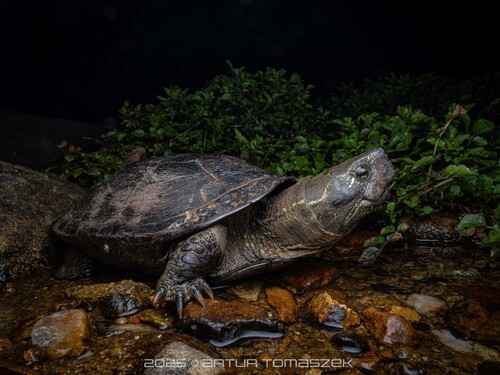
About Mauremys reevesii (Gray, 1831)
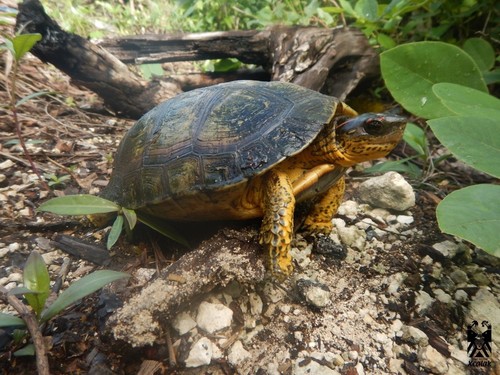
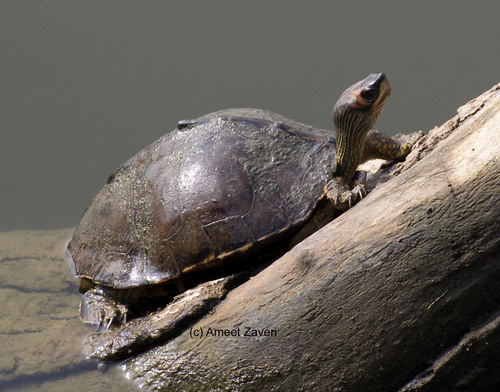
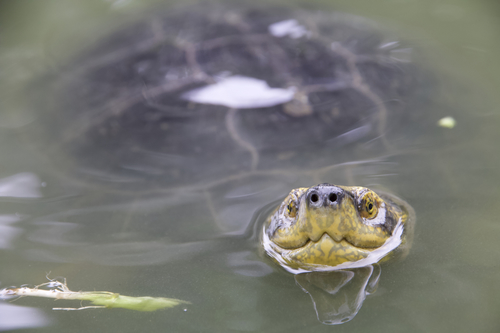
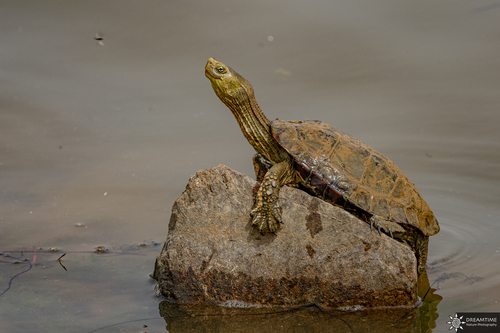
Mauremys reevesii, commonly known as Reeve's turtle, most commonly has a brown shell, dark grey skin, yellow markings on the neck, and yellow irises. Melanism is well-documented in this species, and only affects mature males over 7 years old: in these males, the entire turtle including the eyes becomes completely black, and all yellow markings are lost. Older females may sometimes also develop darker shells with fewer markings. Some populations of Reeve's turtles can exhibit megacephaly. Megacephalic individuals have much larger, broader heads and hypertrophied jaw muscles. In at least one other turtle species, megacephaly does not appear to be genetically linked, and instead develops in response to a heavily durophagous diet. Mauremys reevesii is native to China and Korea. It is thought to have been introduced to Japan and Taiwan in historic times; previously, it was believed to be native to both of these regions. Genetic evidence suggests the species was introduced to Japan from the Korean Peninsula near the end of the 18th century. Introduced populations of Mauremys reevesii may threaten native turtles in these regions, because the species readily hybridizes with native species. Mauremys reevesii is semiaquatic. It basks in the sun on rocks or logs, and will often leave water to engage in this behavior. It can typically be found in marshes, relatively shallow ponds, streams, and canals with muddy or sandy bottoms.