About Mansonia uniformis (Theobald, 1901)
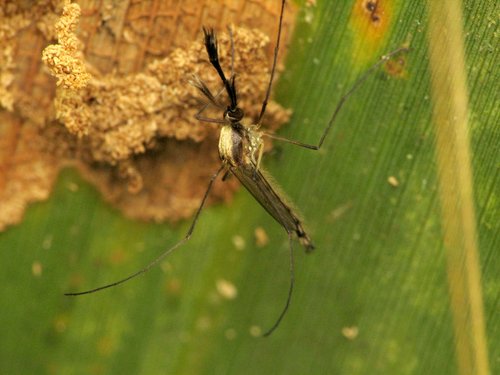
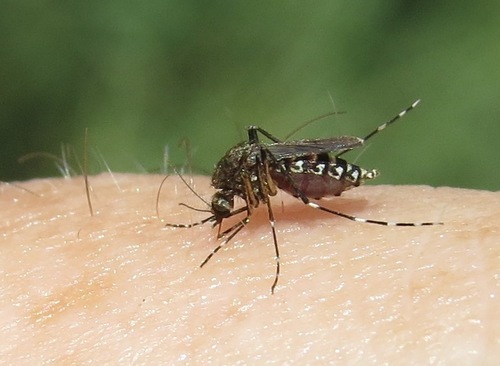
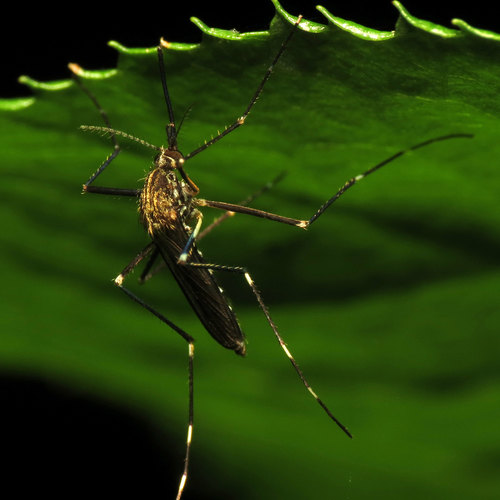
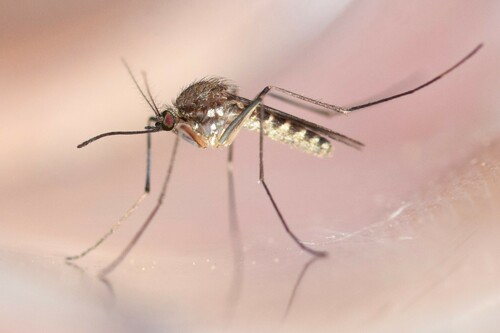
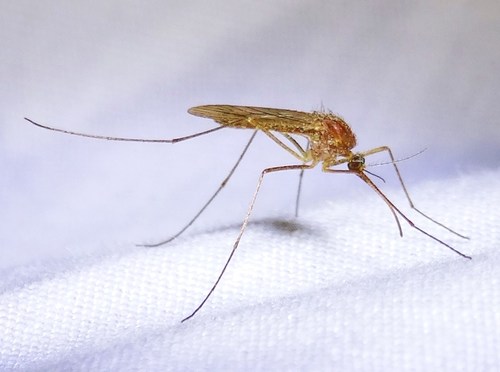
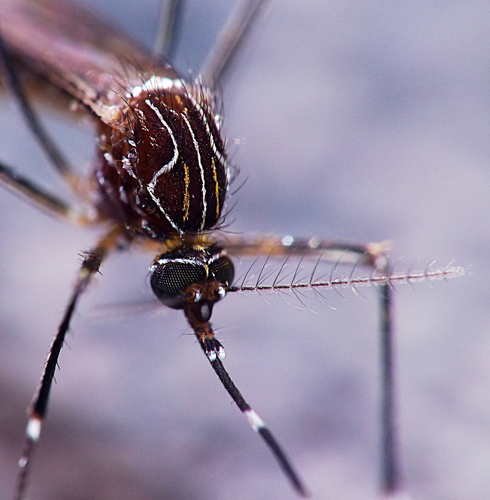
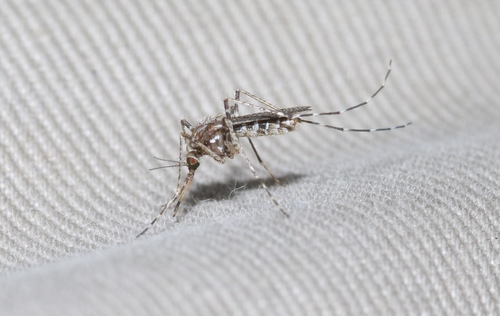
This species is the mosquito Mansonia uniformis, first described by Theobald in 1901. Adult female Mansonia uniformis are medium-sized mosquitoes with an overall mottled brownish appearance. The proboscis is mottled, the scutum is covered in narrow golden scales, and the wings are also mottled, with broad dark and pale scales present on all wing veins. Adult mosquitoes of this species most commonly attack humans and birds, and they bite mainly at night, as well as during shady daytime conditions. The larvae of Mansonia uniformis are found in unshaded open swamps. This mosquito has a nearly cosmopolitan distribution, and has been recorded in Angola, Australia, Bangladesh, Benin, Botswana, Burkina Faso, Cambodia, Central African Republic, China, Comoros, Côte d'Ivoire, Ethiopia, Gabon, Gambia, Ghana, Guam, Hong Kong, India, Indonesia, Iran, Japan, Kenya, South Korea, Liberia, Madagascar, Malawi, Malaysia, Mali, Mozambique, Myanmar, Nepal, the island of New Guinea, Papua New Guinea, Niger, Nigeria, Pakistan, Philippines, Senegal, Sierra Leone, Solomon Islands, South Africa, Sri Lanka, Sudan, Taiwan, Tanzania, Thailand, Timor, Uganda, Vietnam, and Zambia. Mansonia uniformis can act as a vector for multiple human diseases, including Ross River virus, Kunjin virus, Murray Valley encephalitis, and lymphatic filariasis.