About Malacosoma americana (Fabricius, 1793)
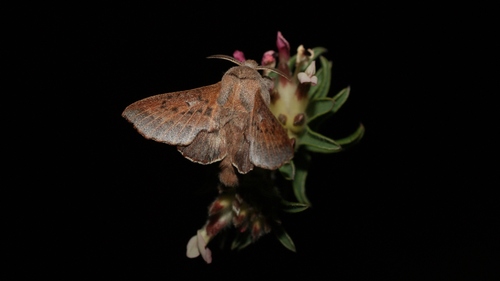
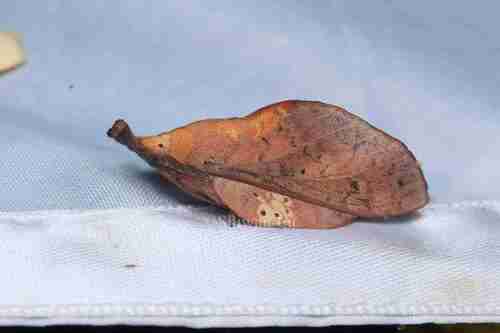
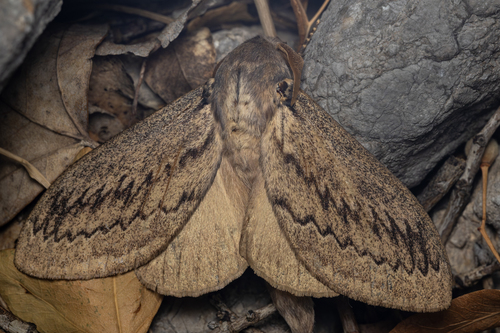
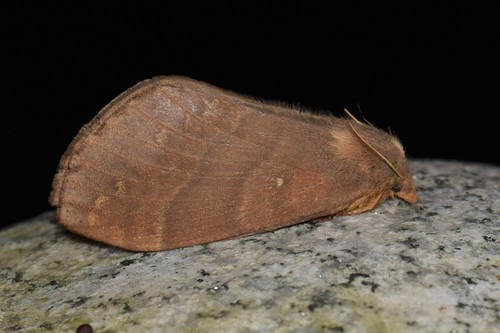
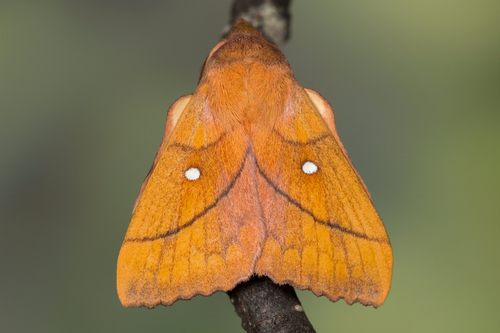
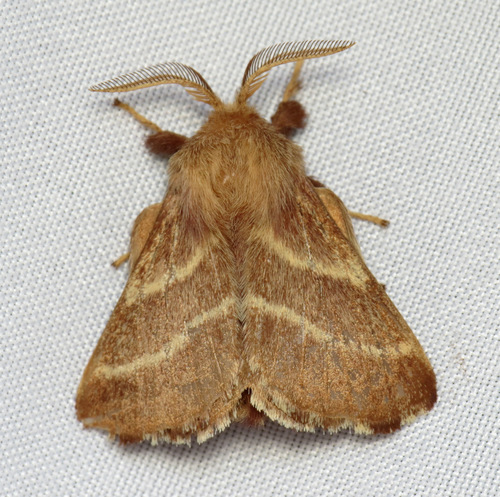
The eastern tent caterpillar, scientifically named Malacosoma americanum, is a moth species belonging to the family Lasiocampidae, which includes tent caterpillars and lappet moths. This species is univoltine, meaning it produces only one generation each year. As a tent caterpillar, it is a social insect that builds communal nests in the branches of trees. It is often confused with the spongy moth, which has similar-looking larvae, and the fall webworm, which also constructs tent-shaped nests. It may also be mistakenly called a bagworm, a common name that refers to unrelated caterpillars in the family Psychidae. Adult moths of this species lay their eggs almost exclusively on trees in the plant family Rosaceae, especially cherry (Prunus) and apple (Malus) trees. The caterpillars are covered in hairs, and have distinct patches of blue, white, black, and orange. The blue and white coloration is structural, created when microtubules on the caterpillar's outermost cuticle selectively filter light. Eastern tent caterpillars are toxic to horses, and have been connected to mare reproductive loss syndrome. The exact biological mechanism that causes the caterpillars to trigger abortion in pregnant mares remains unknown. Experimental studies have confirmed that when pregnant mares consume eastern tent caterpillars, they experience abortion. These caterpillars frequently feed on black cherry trees (Prunus serotina), a species that produces high levels of cyanide. Originally, researchers thought mares aborted due to cyanide consumed alongside the caterpillars, but this hypothesis has been disproven. In one study, necropsy of a mare that had been fed eastern tent caterpillars found fragments of the caterpillar's hair-like setae embedded in the mare's gut wall. Based on this finding, it has been hypothesized that the setae may allow infective agents to pass from the horse's gut into the bloodstream, and then reach the placenta, which triggers abortion.