About Maianthemum bifolium (L.) F.W.Schmidt
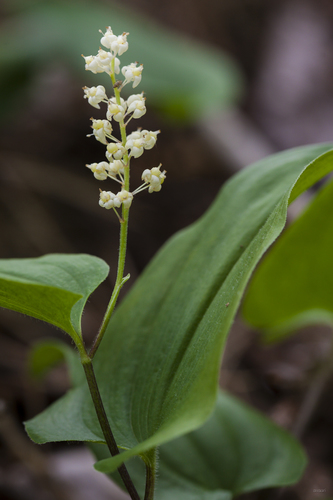
This species is scientifically named Maianthemum bifolium (L.) F.W.Schmidt. Non-flowering stems typically bear just one waxy leaf. On flowering plants, a single basal leaf withers before flowering begins, while two stem leaves grow alternately along 10–20 cm tall stems. The stems are topped with numerous star-shaped white flowers. The leaves range from heart-shaped to triangular, measuring 3–8 cm long and 2–5 cm broad, with small fine hairs along the veins. Its flowers have four tepals, four stamens, and a pistil with two chambers; flowering occurs from mid spring to early summer. This species, along with Maianthemum canadense and Maianthemum dilatatum, is one of only three known Maianthemum species with four tepals. Round berries produce one to two seeds each: berries start green, become speckled red when immature, and turn fully red as they mature. The entire plant, including the berries, contains cardiac glycosides. Ingesting just a few grams of the plant is poisonous to humans, but touching the plant is considered safe. On average, fruit persists for 100 days, each fruit contains an average of 1.8 seeds, fruits are 71.1% water by average, and their dry weight consists of 26.9% carbohydrates and 0.5% lipids. This species grows in large colonies in open forests, on damp soil in grassy ditches, and in thickets, and it especially favors humus-rich soil. It prefers partial shade, well-drained, slightly acidic soil.