About Magnolia sieboldii K.Koch
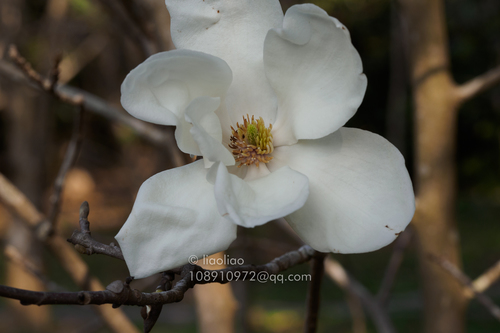
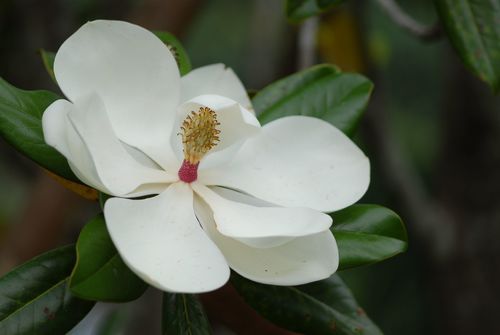
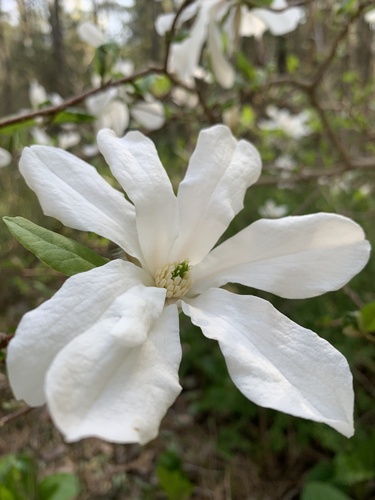
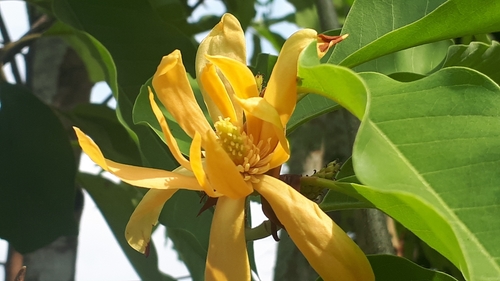
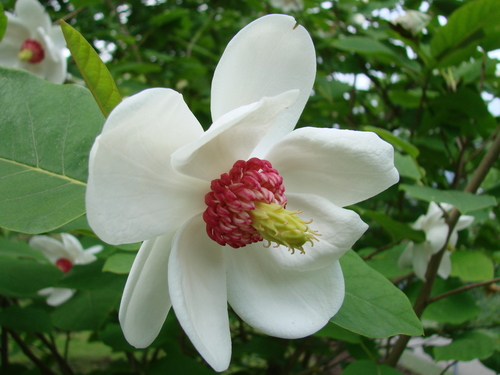
Magnolia sieboldii K.Koch is a large deciduous shrub or small tree that reaches 5 to 10 meters (16 to 33 feet) in height. Stalks, young leaves, young twigs, and young buds have a soft, downy covering. Its leaves range in shape from elliptical to ovate-oblong, measuring 9 to 16 centimeters long (rarely up to 25 centimeters) and 4 to 10 centimeters broad (rarely up to 12 centimeters), with a petiole between 1.5 and 4.5 centimeters long. Unlike spring-flowering magnolia species, Magnolia sieboldii blooms primarily in early summer, and continues to produce flowers intermittently through late summer. Its flowers are pendulous and cup-shaped, with a diameter of 7 to 10 centimeters. They have 6 to 12 tepals: the outer three are smaller, while the remaining are larger and pure white. The carpels are greenish, and the stamens are either reddish-purple or greenish-white. This species is cultivated as an ornamental tree for garden planting. It is one of the hardiest magnolia species, and can be grown successfully as far north as Arboretum Mustila in Finland. Its cultivar 'Colossus' has received the Royal Horticultural Society's Award of Garden Merit. Known as mongnan or mokran (목란/木蘭), Siebold's magnolia is the national flower of North Korea.