About Macronyx ameliae Tarragon, 1845
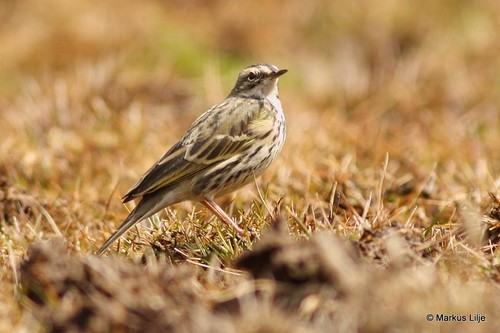
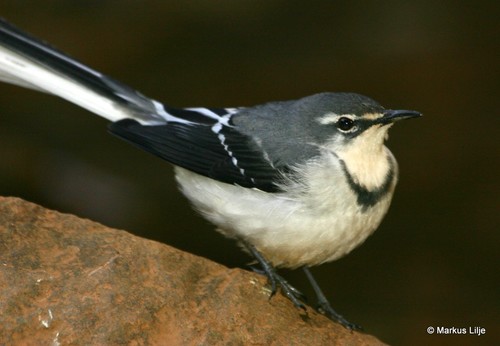
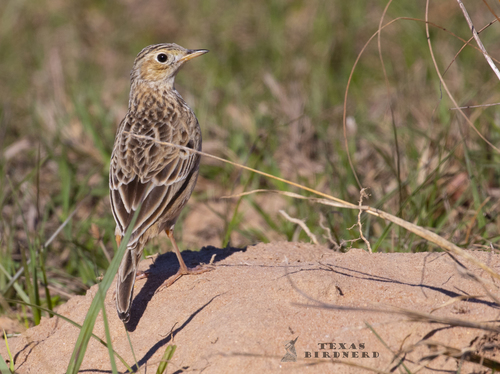
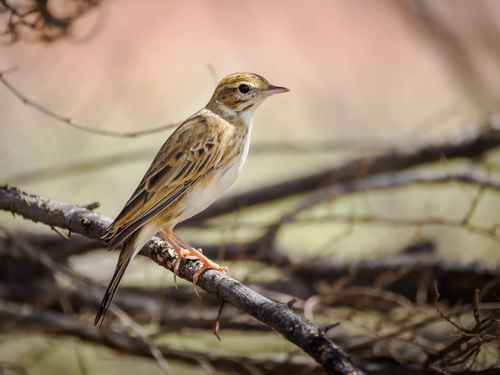
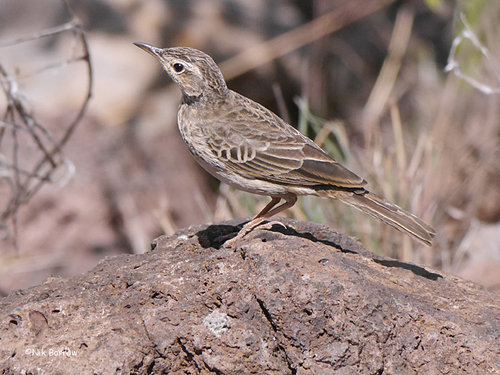
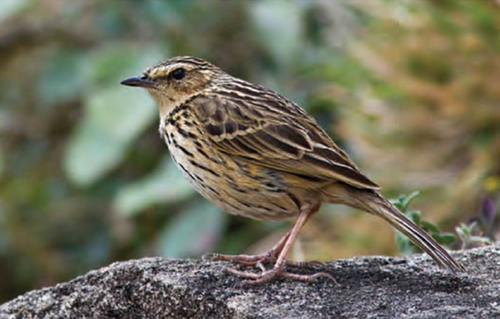
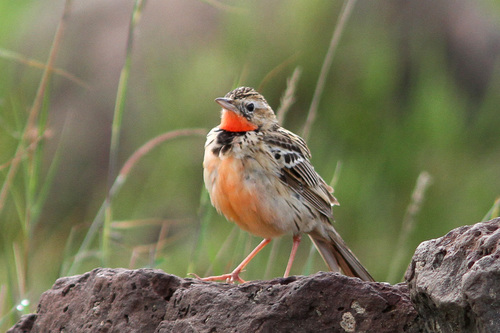
Scientific name: Macronyx ameliae Tarragon, 1845. Adult rosy-throated longclaws measure 19–20 centimetres (7.5–7.9 in) in length, and have greyish-brown scalloped upper parts. Breeding season males have a pink throat and breast marked by a broad black band across the chest; this black band is not visible outside of breeding season. Females have pink underparts, but do not have the black chest band. Immature birds have mostly black-streaked pale brown underparts, with some pink-red colour in the central area. This species produces a chiteet call that resembles the call of a pipit. The rosy-throated longclaw inhabits wet grasslands and flood plains, most often areas with shorter grasses. It occurs across central and eastern Africa, and has a more patchy distribution in the southern part of the African continent. In Botswana and Namibia, it is only found in the Okavango Delta, Linyanti Marshes and Chobe floodplains. In Zimbabwe it is restricted to the Zimbabwe highveld, and in KwaZulu-Natal it is restricted to coastal areas. The species' population in KwaZulu-Natal is threatened by coastal development. The rosy-throated longclaw breeds during the wet season, which runs from September to April.