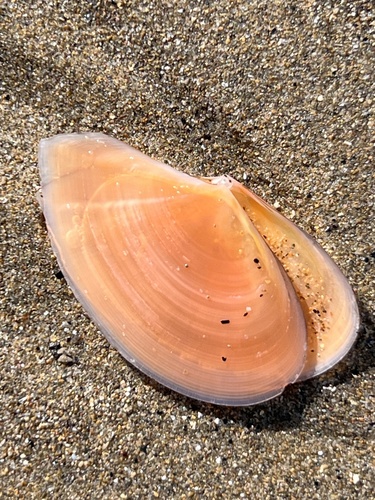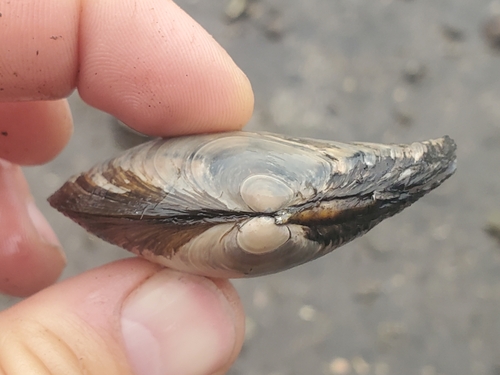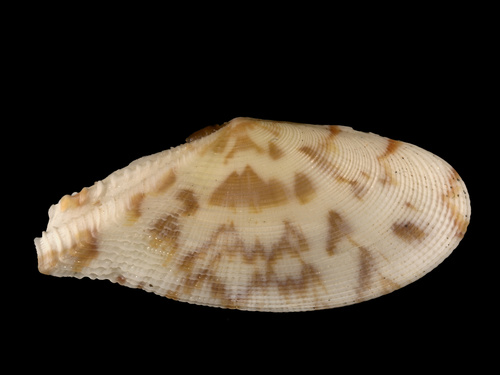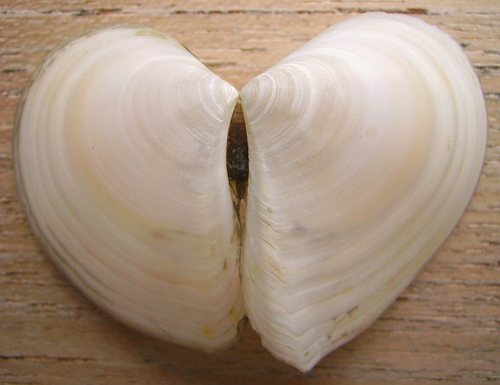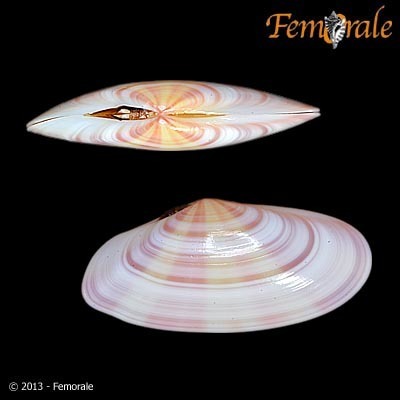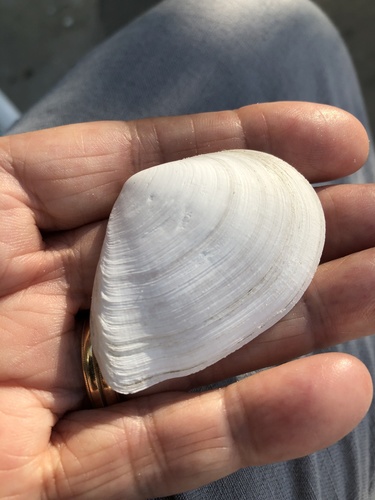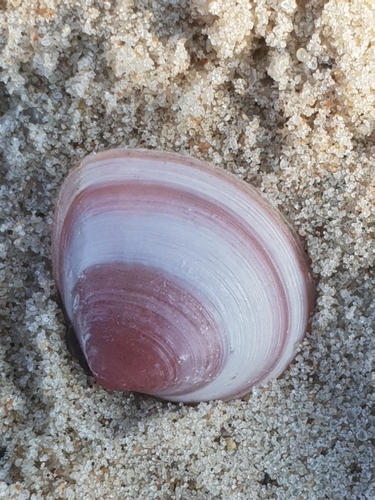
About Macoma balthica (Linnaeus, 1758)
Limecola balthica, commonly known as the Baltic macoma, Baltic clam or Baltic tellin, is a small saltwater clam. It is a marine bivalve mollusk that belongs to the family Tellinidae, which includes macomas and tellins. This species is an infaunal bivalve, which means it lives buried in mud or silt, and extends its two narrow siphons up to the bottom surface. It uses these siphons to feed on organic matter found on the sediment surface or in the water. Limecola balthica is a euryhaline species, meaning it can survive in a very wide range of water salinity. It can live in waters with salinity as low as 3-4 permille, which is 10% of typical ocean salinity. It usually inhabits intertidal zones or shallow subtidal areas, and is very common in estuaries and bays. In the brackish Baltic Sea, this species can survive submerged at water depths greater than 100 meters. This bivalve is distributed across the northern regions of both the Atlantic and Pacific oceans, and extends into Subarctic areas of both North America and Europe. In Europe, its range stretches from southern France north to the White Sea and Pechora Sea, and also includes the inner brackish sections of the Baltic Sea. In eastern North America, L. balthica is found from the Gulf of St. Lawrence Bay north to Hudson Bay. In the Pacific, its range runs from Washington state to the Beaufort Sea in Alaska, and it also occurs along the Russian Pacific coast. Along the U.S. Atlantic and Pacific coasts from Oregon southward, M. balthica is replaced by a closely similar species, Limecola petalum.