About Lyssa zampa (Butler, 1869)
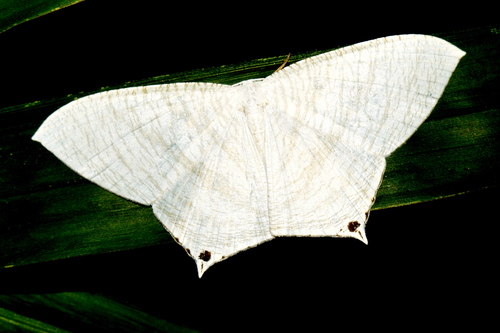
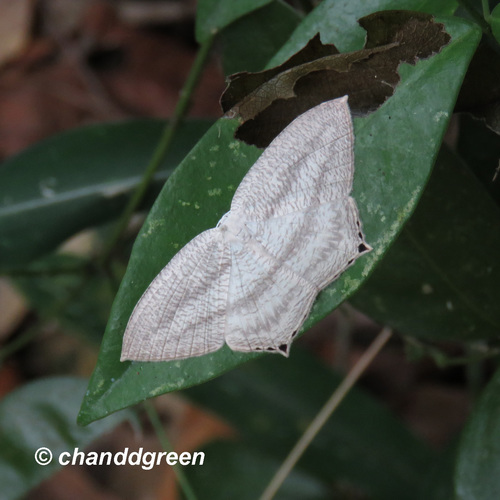
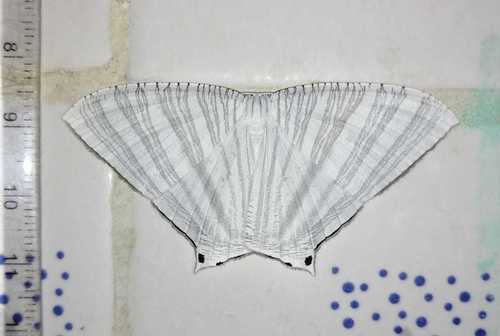
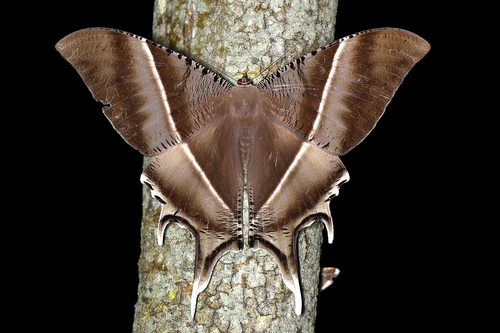
Lyssa zampa, commonly called the tropical swallowtail moth or Laos brown butterfly, is a moth species belonging to the family Uraniidae. It was first described in 1869 by British entomologist Arthur Gardiner Butler. This species is native to a broad range of tropical Southeast Asia, including Indonesia, Singapore, Malaysia, Thailand, and the Philippines. It has also been recorded in the Andaman Islands, southern China, the Himalayas, and occurs sporadically in East Asia: Taiwan, Japan, and South Korea. The forewing length of Lyssa zampa is around 70 mm (2.8 in), and its maximum wingspan reaches 160 mm (6.3 in). It is most abundant between May and November, with the exact timing varying by location. While the genus Lyssa is generally classified as a nocturnal or crepuscular group, this species has been found to be active both during the day and at night. Lyssa zampa is known for its mass emergence and migration behavior. Due to this ecology, plus its common habit of being attracted to bright urban lights, the species often draws human attention. Sightings of the moth in urban areas are linked to dry spells occurring in forest habitats. The larvae of Lyssa zampa feed on Endospermum plants and other members of the rubber tree family, Euphorbiaceae.