About Lygus pratensis (Linnaeus, 1758)
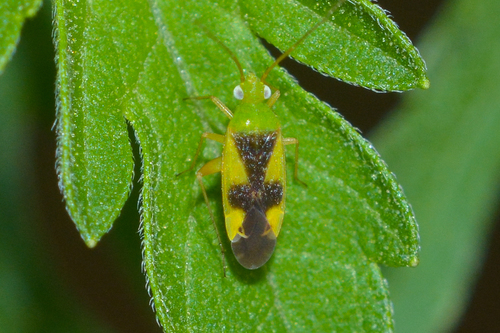
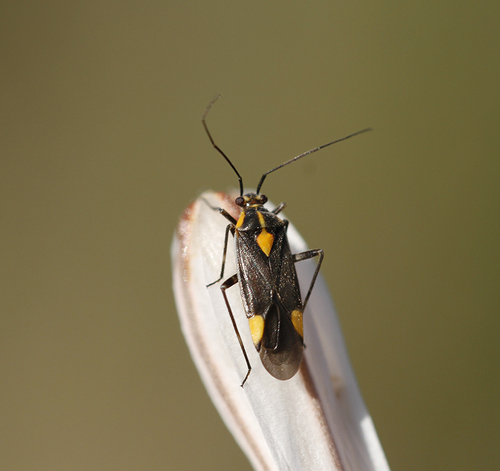
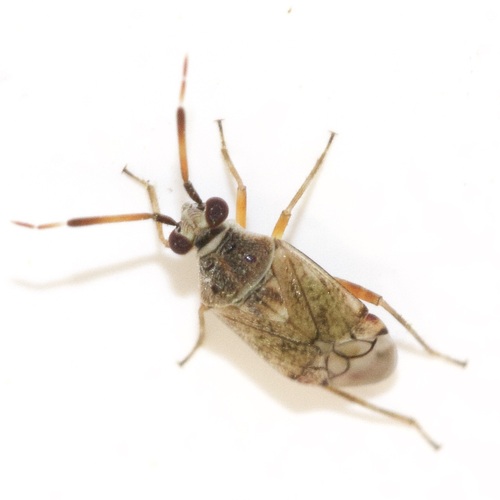
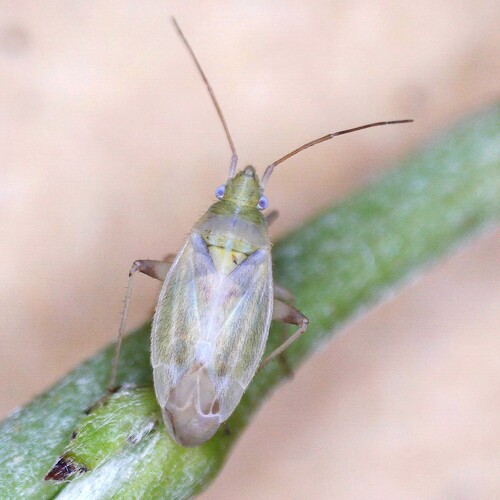
Lygus pratensis (Linnaeus, 1758) exhibits sexual dimorphism in adult body size: males reach 6.1–7.3 millimetres (0.24–0.29 inches) in length, while females reach 5.8–6.7 millimetres (0.23–0.26 inches). The color pattern and markings of this plant bug species vary greatly, with possible base colors ranging from green, brown to reddish. Typically, males range from light reddish-brown to dark red, while females are green and brownish. Their bodies are oval-shaped and slightly flattened. The scutellum is heart-shaped in both sexes. The wings are clearly visible, because they are not completely covered by the hemelytra. The eyes, legs, and antennae are usually reddish. This species is most reliably identified based on fine structural details of the corium. Lygus pratensis is very similar to Lygus wagneri, but it is usually slightly larger, has a longer wing membrane, and a more densely pubescent corium. It is also quite similar in appearance to Lygus maritimus and Lygus rugulipennis. This species is distributed across most of Europe, Africa, Northern Asia excluding China, and the Indomalayan realm. These bugs prefer habitats including heaths, hedgerows, and meadows. The species epithet pratensis means "of a meadow", which references this preferred habitat.