About Lucina pensylvanica (Linnaeus, 1758)
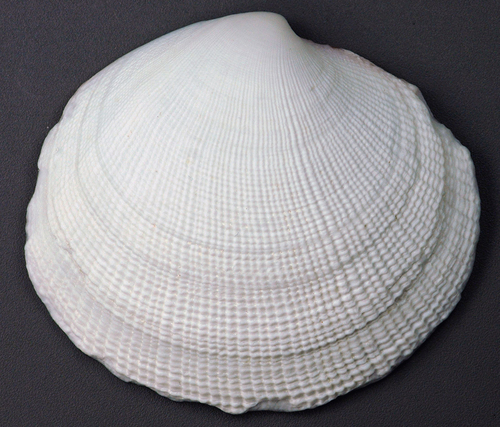
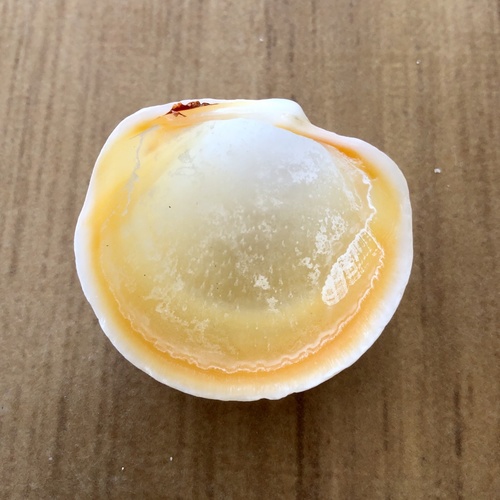
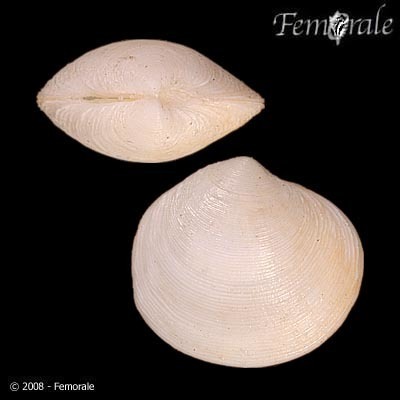
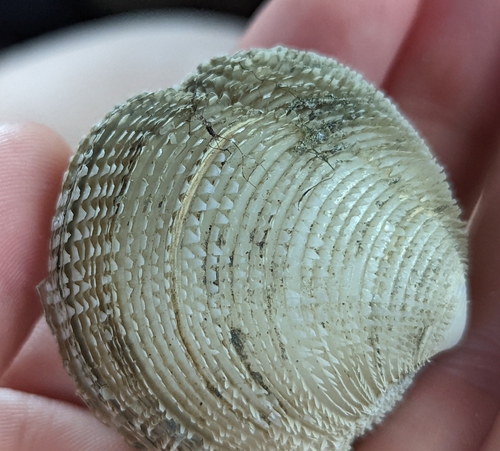
Lucina pensylvanica has a nearly circular shape, and reaches a maximum size of about 50 mm (2 in). A distinct groove is present on the posterior side of its valves, and its concentric sculpturing is somewhat irregular. The valves are mostly white, though remnants of the brownish periostracum can remain as calcified scales. These scales contain calcareous granules and have a thin layer of prismatic aragonite on their ventral surfaces, which gives the valve margin an unusual flexibility. This species is found along the Atlantic coast of North America, with a range extending from North Carolina to the West Indies. Like other members of the family Lucinidae, Lucina pensylvanica hosts chemosymbiotic sulfur-oxidizing bacteria in bacteriocytes located in its gills. In laboratory starvation experiments, researchers observed that Lucina pensylvanica preserved these bacterial symbionts for three months or longer. The bivalve continues to get nutrients from the bacteria, which maintain their sulfur-oxidizing activities by relying on sulfur that the host stores in granules. This response differs from that of the dwarf tiger lucine Ctena orbiculata, which does not retain its symbiotic bacteria during starvation and instead consumes the bacteria.