About Lottia scabra (Gould, 1846)
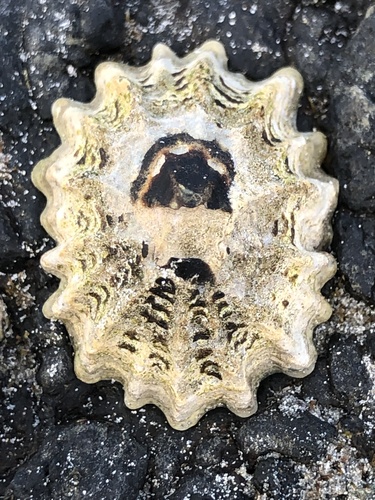
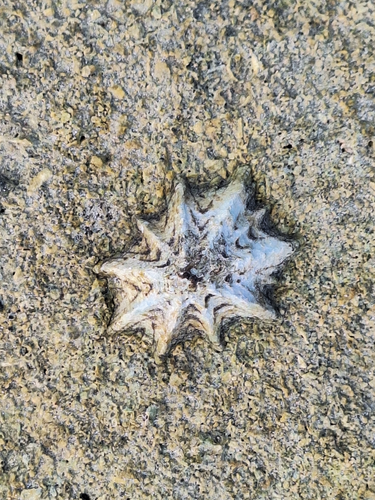
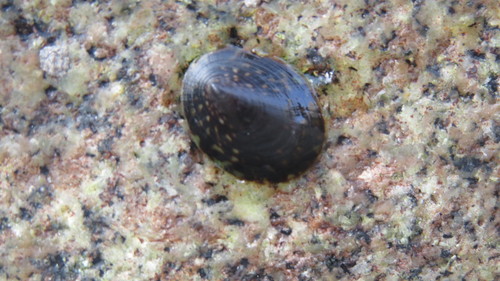
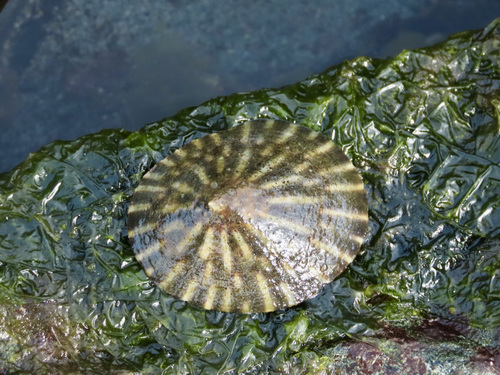
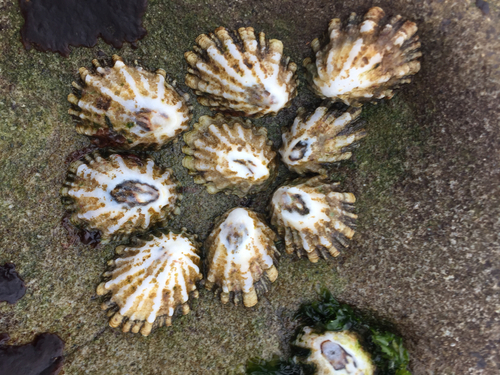
Lottia scabra is a species of limpet that typically reaches about 35 millimeters in length, with a recorded shell size range of 19 to 40 millimeters. The shell is rather depressed, with a very elongated outline; in some specimens, the shell is rounded instead. Most individuals have the apex positioned in the anterior third of the shell, about a quarter of the way across from the anterior edge, though in some specimens the apex is nearly central. The apex has a small depression, and the anterior slope of the shell is neither concave nor convex. The outer axial sculpture has strong, close, rough radial ribs with smaller intervening riblets in the interstices between these major ribs. These main radial ribs are conspicuous and rugged; the interstices between them are darker in color, and they produce a boldly scalloped shell margin. Principal ribs can sometimes be rather sharp, creating deeper indentations in the margin, while occasionally they are small, crowded, and become faint toward the margin. The outer shell color is mottled grey and tan; alternatively, the base outer color may be white with fine brown lines between the main ribs, and these brown lines create small dots on the otherwise white shell margin. Young L. scabra have extremely inequilateral shells that develop their characteristic ribs rapidly. The interior of the shell is white with darker spots and bars, and it has a white callus through which these darker markings are visible. These darker markings occasionally take the form of irregular ghostly bars, which gave the species its obsolete synonymous name Acmaea spectrum, from the Latin word spectrum meaning ghost. Prominent distinguishing characteristics of the species are its very strong external ribs and its curiously marked interior, which resembles the print of a hand. The soft body of the limpet has a white head and white foot side, marked with black spots. This species occurs along the Pacific coast of North America, ranging from Cape Arago, Oregon to southern Baja California. It is abundant in the higher littoral zone on horizontal rock surfaces, found on both exposed and protected coastlines. At low tide, L. scabra returns to a specific home site on the rock where its shell contours match the rock surface. It is sometimes found living on the shells of Lottia gigantea.