About Lorinseria areolata (L.) C.Presl
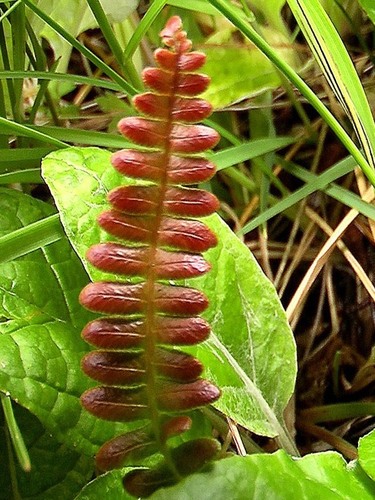
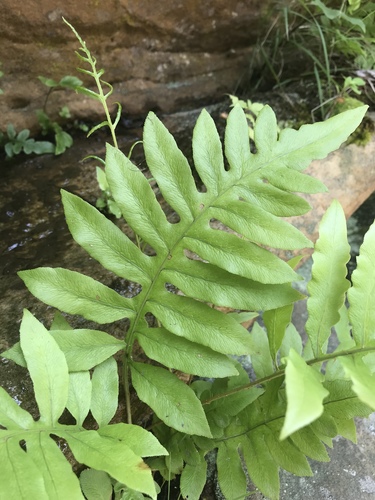
Lorinseria is a fern genus placed in the subfamily Woodwardioideae of the family Blechnaceae. It is a monotypic genus, meaning it contains only one species: Lorinseria areolata, which has the synonym Woodwardia areolata. This species is commonly called the netted chain fern or dwarf chain fern, and it is native to eastern North America. In the 2016 Pteridophyte Phylogeny Group classification (PPG I), the genus Lorinseria was separated from the genus Woodwardia, based on its anastamosing veins, lobed frond form, and more pronounced frond dimorphism. However, the genus name Lorinseria is a later homonym of Lorinsera Opiz, so it will need to be either replaced or conserved. This species produces two distinct types of fronds: sterile fronds measure 40–60 cm long, while fertile fronds measure 50–70 cm long. It looks superficially similar to Onoclea sensibilis, and the two are sometimes confused. The species is native to the eastern United States, where its range extends from Texas and Florida in the southeast northward to Massachusetts. A separate disjunct population of this species also occurs in southwestern Nova Scotia, Canada. It grows best in moist, sandy, acid soils. It has been found growing in areas of the interior United States around acid mine seeps, and it is one of the few species that benefits from acid mine drainage.