About Lomatium bradshawii (Rose ex Mathias) Mathias & Constance
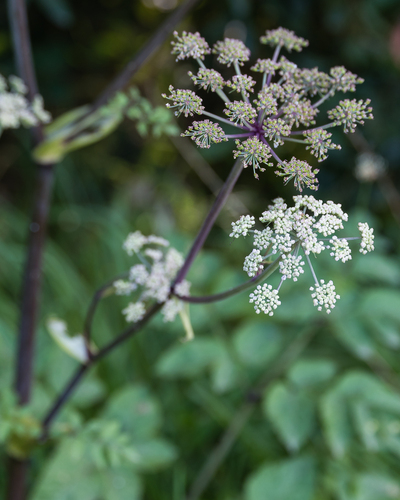
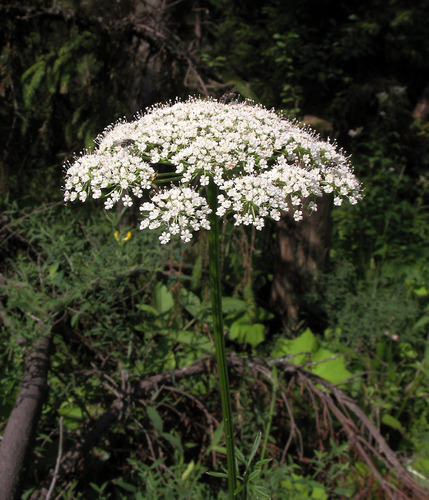
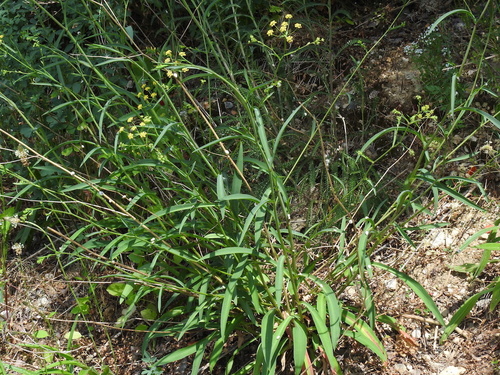
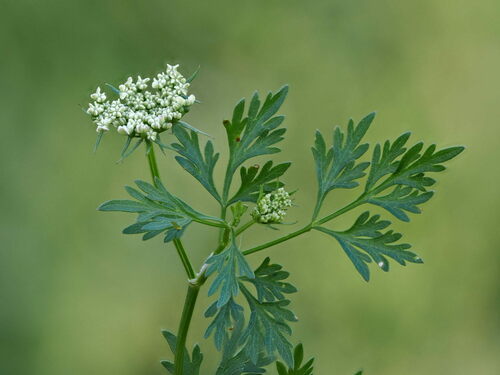
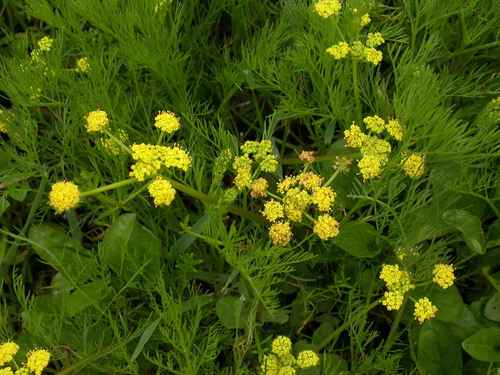
Lomatium bradshawii, commonly called Bradshaw's desert parsley, is a perennial herb native to Oregon and Washington in the United States. It was widely believed to be extinct until it was rediscovered by a University of Oregon graduate student in 1979. Following successful conservation efforts, the U.S. Fish and Wildlife Service removed the species from the Federal List of Endangered and Threatened Plants in 2021. Before widespread agricultural development and the implementation of fire suppression policies, Bradshaw's desert parsley was common in the Willamette Valley. These changes allowed invasive shrubs and weeds to spread into its native habitat, reducing suitable growing space for the species. Most of the species' known current populations are located within ten miles of Eugene, Oregon. In Oregon's Willamette Valley, populations are found in Lane, Benton, Linn, and Marion counties. In Washington, the species grows in the Puget Sound region. The largest recorded population of this herb, which numbered approximately 10,790,000 individuals plus or minus 2,010,000, was located at Camas Meadows, Washington, until the site was plowed in October 2024. A seed bank for Lomatium bradshawii is maintained by the Berry Botanic Garden. This species grows at low elevations, in habitats along rivers or in regularly flooded prairies. It produces yellow inflorescences that bloom from April to May each year.