About Lobostemon montanus (DC.) H.Buek
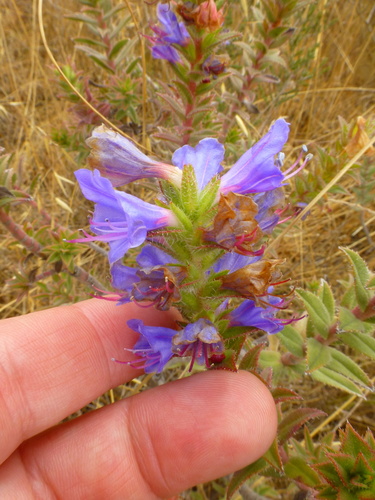
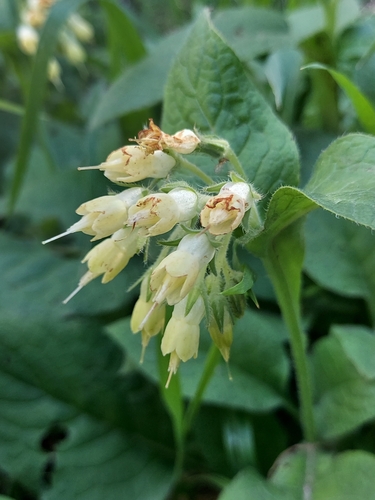
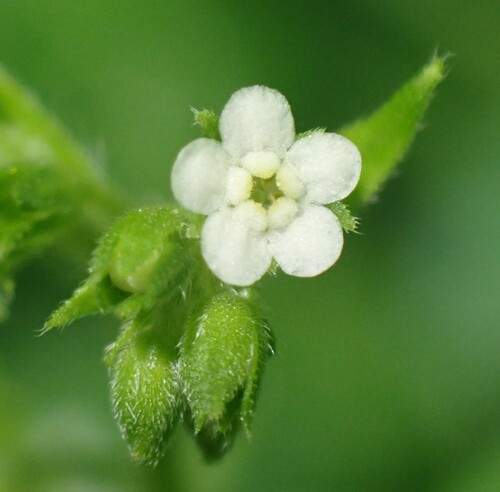
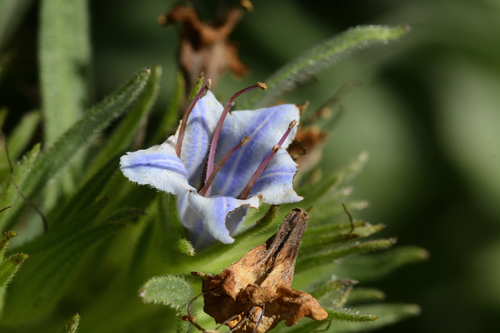
Lobostemon montanus, common names turquoise bush bugloss, mountain lobostemon, and agtdaegeneesbos, is a South African plant species in the forget-me-not family. This species is endemic to South Africa's Western Cape province, where it grows in the Cape Floristic Region. It occurs in mountainous areas stretching between the Cape Peninsula and Onrus, and is currently most abundant in sites around False Bay. Populations have also been recorded in Hermanus, the Atlantic seaboard of the Cape Peninsula, and the lower northern slopes of Table Mountain — the location where the species' type specimen was collected. It is fairly common on mountains, rocky outcrops, and along the coast, growing on sandstone soils. It is also frequently found in disturbed areas such as roadsides. The species' blue flowers attract bees and birds, most notably the orange-breasted sunbird, lesser double-collared sunbird, and cape sugarbird. Baboons have also been observed eating its flowers. If not severely damaged by fire, individual plants can resprout from their lower stems or trunk. However, the species primarily recolonizes areas after fire through seeds, and reseeds most prolifically following fire events. Lobostemon montanus is relatively easy to grow in most gardens. It needs well-drained soil and a sunny position, and grows particularly well in rockeries and on embankments. It is a good choice for coastal gardens, as its thick, hairy leaves protect it from salt-laden wind. These thick, leathery leaves also make the species highly drought resistant. It is not cold tolerant, however, and requires protection from frost. It can be grown from either cuttings or seeds. Tip cuttings or cuttings from thin side shoots taken in spring or autumn root well if not kept too wet. When placed in a sandy bed that gets cooler morning sun and sprayed occasionally when the cuttings look stressed, they should root after two to three months. Plants can be grown from fresh seeds collected from old flower heads that have turned brownish-grey. To aid germination, treat seeds first with hot water, then with smoke to simulate natural fire conditions. Seeds should be sown in late summer or spring.