About Lobelia inflata L.
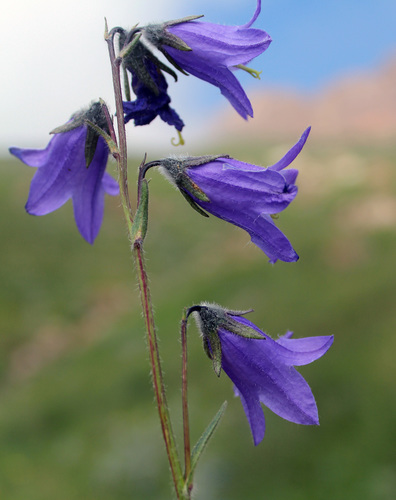
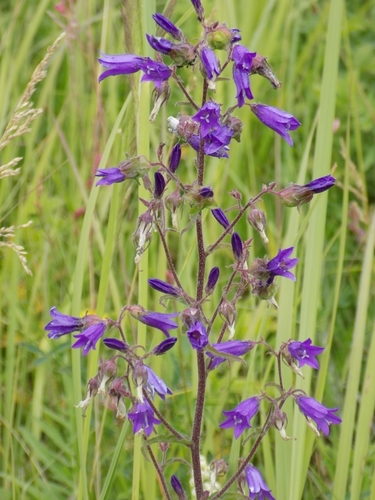
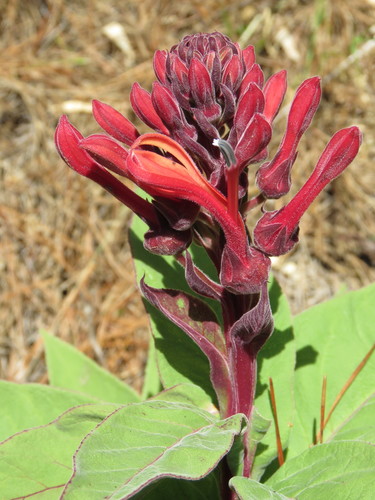
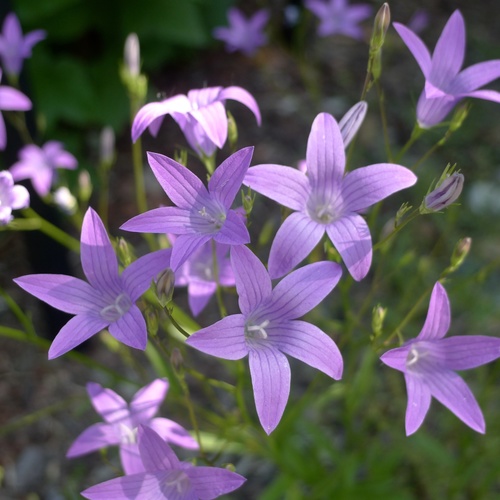
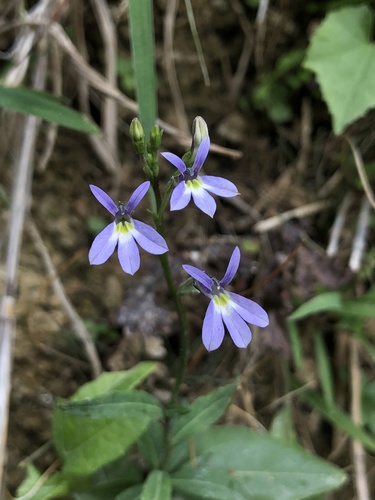
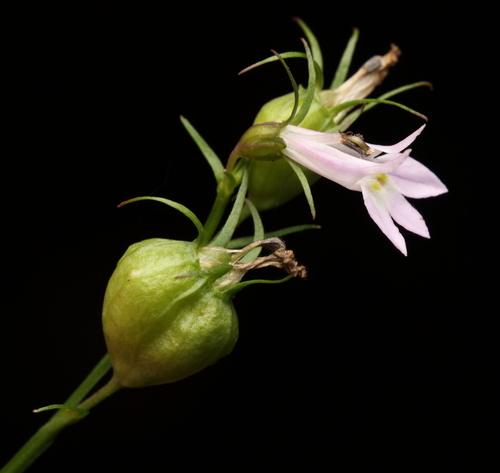
Lobelia inflata L. is an annual or biennial herbaceous plant that reaches heights of 15–100 cm (5.9–39.4 in). Its stems are covered in tiny hairs. Leaves are typically about 8 cm (3.1 in) long, with an ovate shape and toothed edges, and they grow in an alternating arrangement. The plant produces violet flowers that have a yellow tint on the inside; flowering usually begins in mid-summer and continues into fall. Its seedcases are small, brown, papery, and dehiscent.
This species has a long history of use as a medicinal plant, employed as an entheogen, emetic, and a remedy for skin or respiratory issues. Native American peoples including the Cherokee, Iroquois, Penobscot, and other indigenous groups traditionally used it to treat respiratory and muscle disorders, as a purgative, and as a ceremonial medicine. The leaves were chewed or smoked, and the Cherokee burned the plant’s foliage as a natural insecticide to drive away gnats.
Despite its medicinal uses, consuming Lobelia inflata causes a range of adverse effects. These include sweating, nausea, vomiting, diarrhea, tremors, rapid heartbeat, mental confusion, convulsions, hypothermia, coma, and possibly death. The root of the plant is toxic, and eating it can be fatal.