About Lobelia dentata Cav.
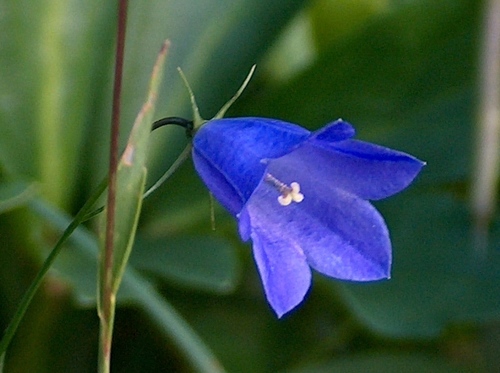
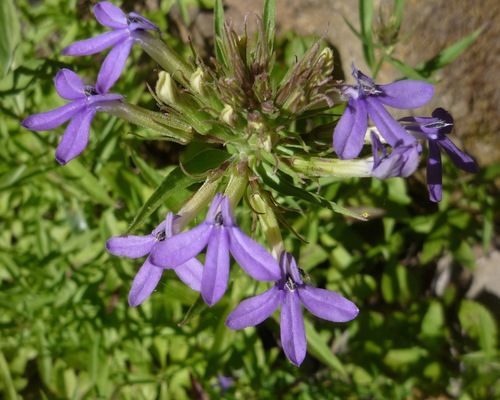
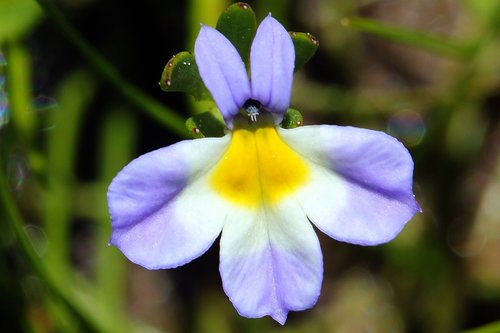
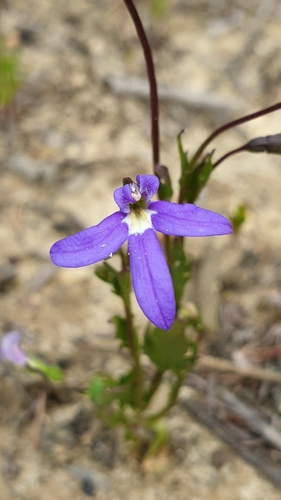
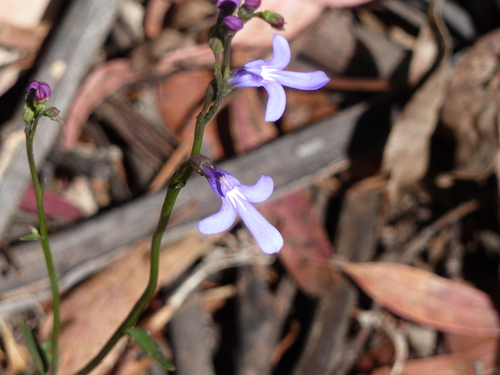
Lobelia dentata Cav., commonly known as Lobelia dentata, is an herb found in eastern Australia. It grows in eucalyptus woodland and forest habitats, most often on sandy soils. It is classified as an uncommon species, but it may become locally abundant after bushfires. Lobelia dentata is a slender, hairless plant that reaches a height of 40 cm (16 in). Its flowers grow in racemes and bloom from March to November. Individual dark blue or purple flowers are small, but can create a spectacular sight when they grow in abundance. The specific epithet dentata refers to the plant’s toothed leaves. Leaves of Lobelia dentata measure 1 to 4 cm in length, and 3 to 10 mm in width. The plant’s fruiting capsule is 4 to 7 mm long, with a diameter of 4 mm. The original type specimen was collected by Joseph Banks and Daniel Solander at Botany Bay in 1770, during the first voyage of Captain James Cook. The species was first published in scientific literature in 1800, in the work Icones et Descriptiones Plantarum written by Spanish botanist Antonio José Cavanilles. The natural range of Lobelia dentata covers coastal districts of New South Wales, stretching from Murwillumbah to Batemans Bay. It is also found in Victoria.