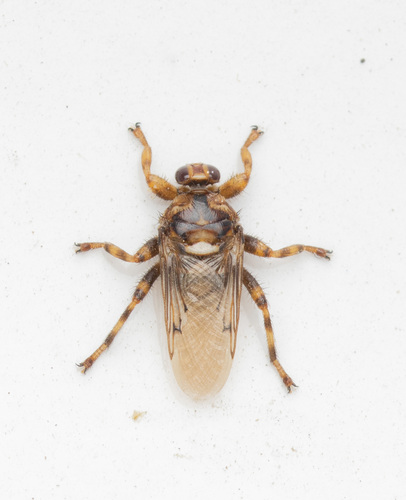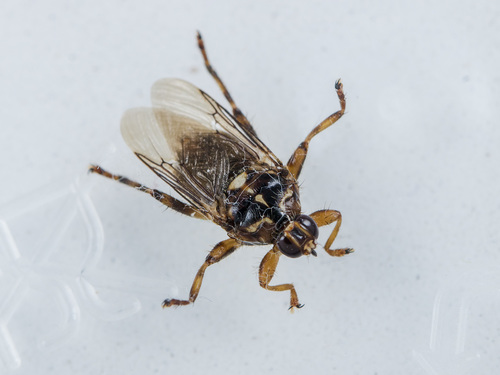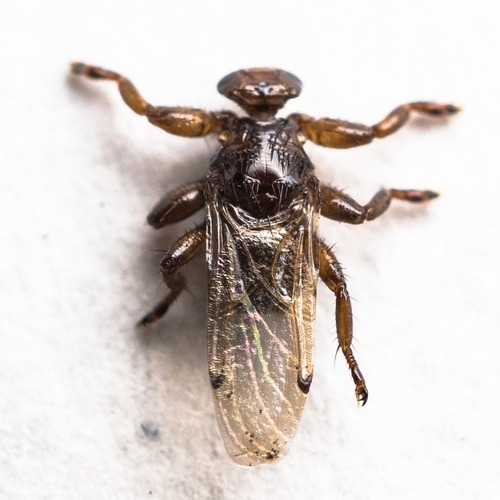
About Lipoptena depressa (Say, 1823)
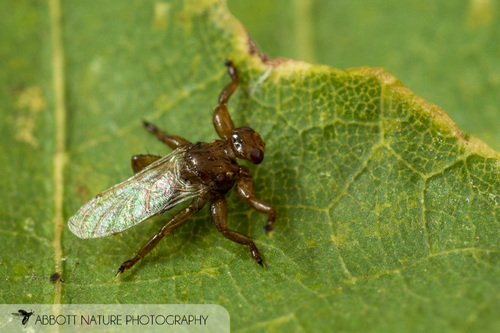
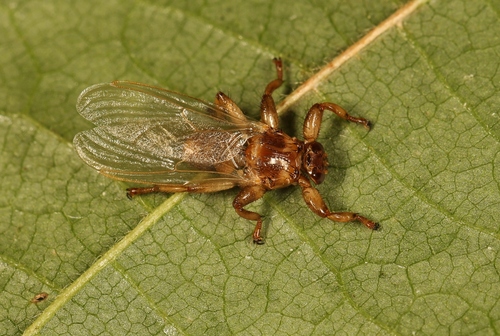
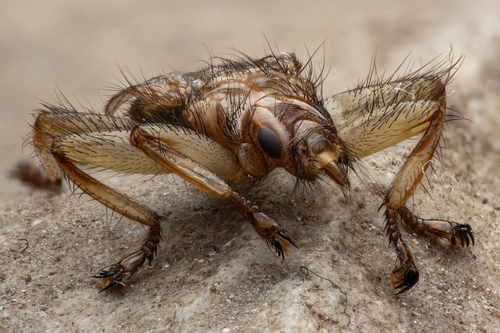
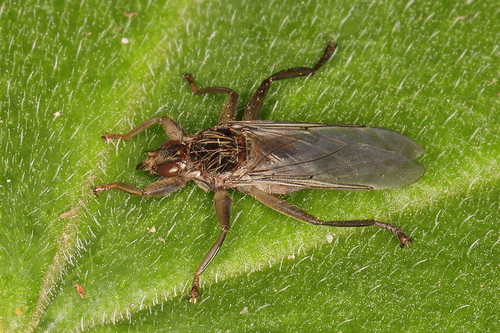
Distribution and identification: Lipoptena depressa occurs in the western United States, including Washington, Oregon, California, Idaho, Montana, South Dakota, Colorado, and Utah, as well as in Alberta, Canada. Two other closely related Lipoptena species are found in North America: Lipoptena cervi, which originated in Europe and is now found in the northeastern United States and eastern Canada, and Lipoptena mazamae, which occurs in the southeastern United States, Central America, and South America. Lipoptena depressa is occasionally misidentified as Ixodes scapularis, the deer tick. While both are blood-feeding parasites of mammals, Lipoptena depressa is an insect, and ticks are arachnids. Counting leg number distinguishes the two: insects have 6 legs, while arachnids have 8. Ticks are far more common than deer keds, and can thrive on a wide range of mammal hosts, including humans and dogs. In contrast, L. depressa is much more host-specific, does not seek out humans, and only a small number of human bites have ever been recorded. Life cycle: Adult female flies produce one larva at a time, and retain the larva internally through all three of its larval instars. The female then gives birth to a pre-pupal third-instar larva, which immediately pupates and falls off its host deer. After completing metamorphosis, a winged adult emerges and begins searching for a new host. Adults can only fly roughly 50 meters, so their ability to successfully find a host depends on the density and distribution of host mammals. Once an adult finds a suitable host, it sheds its wings. The remainder of its lifecycle, including reproduction, takes place on the host.