About Lethrinus erythracanthus Valenciennes, 1830
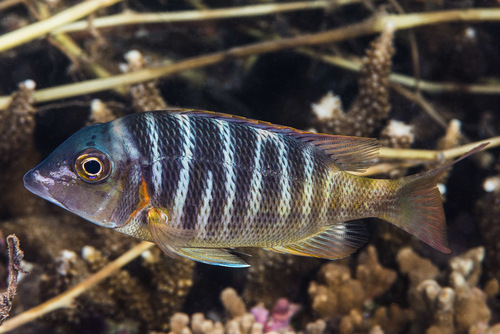
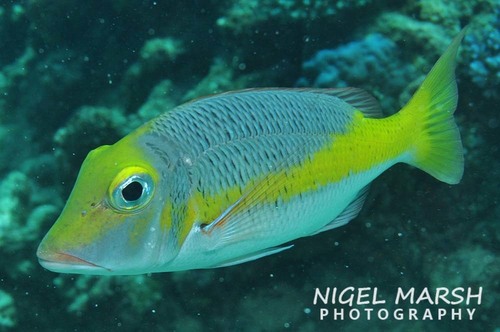
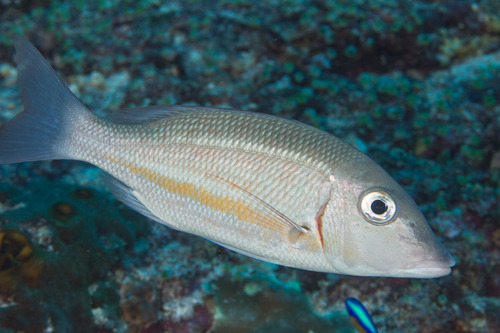
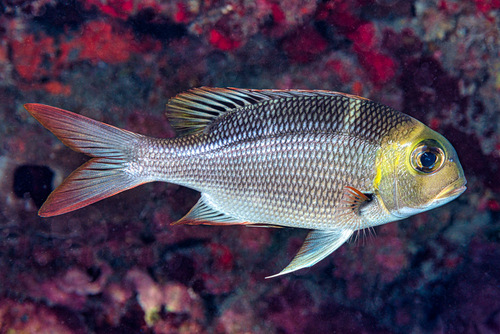
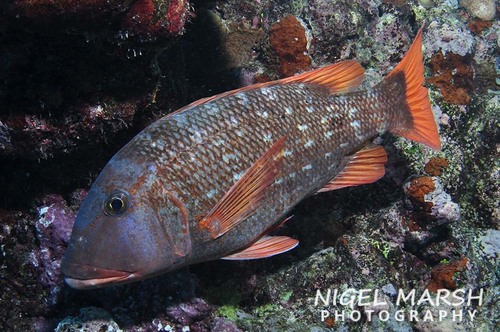
Lethrinus erythracanthus Valenciennes, 1830 is the largest of the 27 species in the genus Lethrinus. Its body is dark brown-grey with scattered golden-orange spots, and it has a short snout. Small, indistinct light and dark stripes are present on the body, and these stripes sometimes also appear on the lower sides of the body. The head is brown or grey, with large eyes that allow this fish to feed in the dark. Smaller adults commonly have small yellow-orange spots on each cheek. This species occurs in waters ranging from East Africa eastward to the Tuamotus archipelago and the Society Islands. It has been recorded from the Ryukyu Islands in the north, extending south to northeastern Australian waters and New Caledonia. Lethrinus erythracanthus inhabits depths between 15 and 120 metres. It is a non-migratory, reef-associated fish that lives in channels, outer reef slopes, adjacent soft bottoms, and deep lagoons. During the day, it is often solitary, staying in or around caves or near ledges. This fish is a high-value food fish and is targeted by recreational sport fishers. Individuals caught in some locations may carry ciguatoxin, so they should not be eaten.