About Leptopelis bocagii (Günther, 1865)
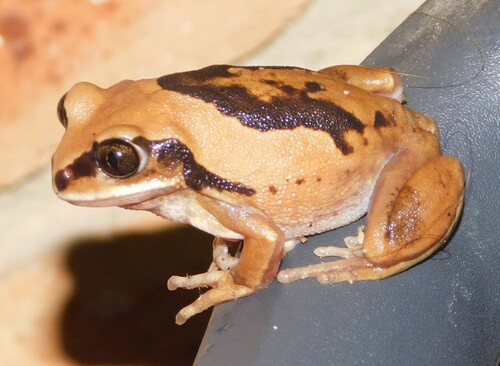
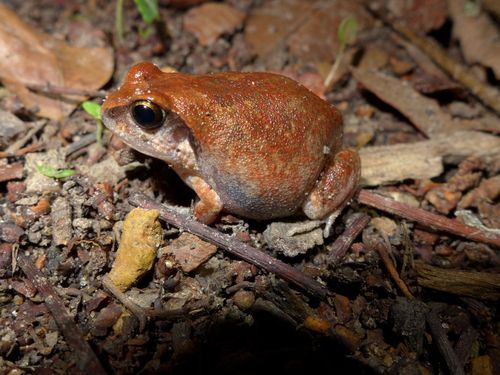
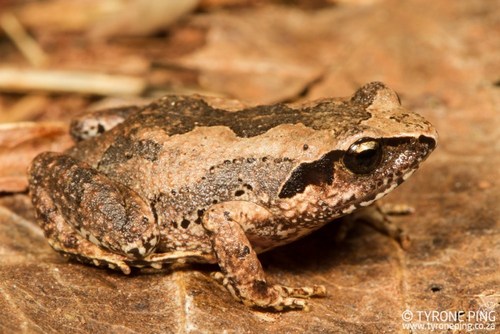
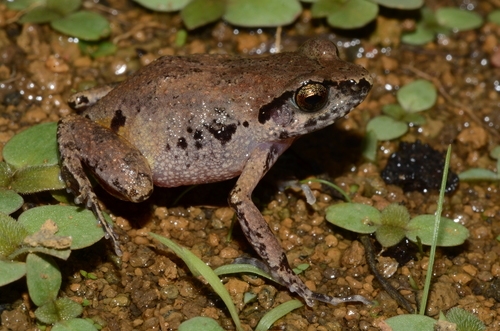
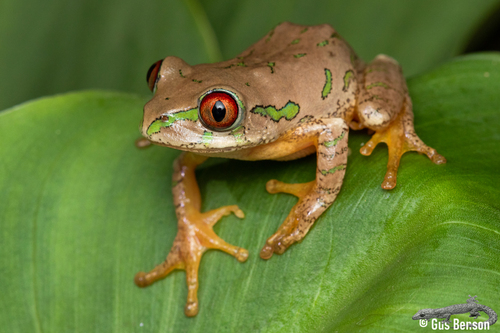
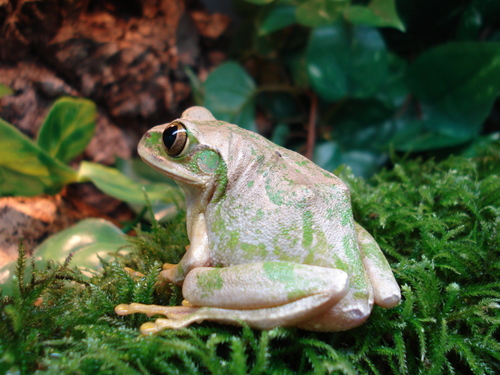
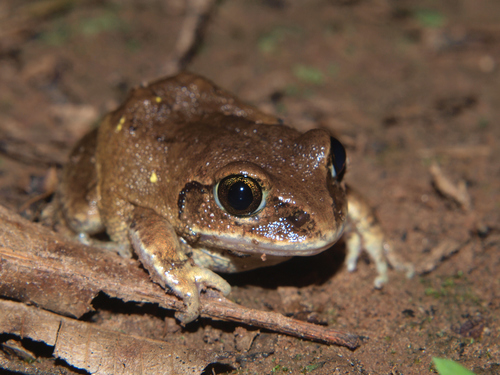
Leptopelis bocagii, commonly known as Bocage's tree frog, is a large frog species that spends most of the year underground in a burrow. Males grow to 50 mm (2.0 in) in length, while females reach 58 mm (2.3 in). This species shows significant variation in dorsal color, ranging from bright green to brown, a trait common to many other Leptopelis species. The upper parts of the body are typically brown, with a darker brown patch on the back that may extend onto the head, or a dark M- or N-shaped blotch on the back. Most digits of this species lack webbing, and have reduced or no toe discs. Juveniles have a green or greenish-brown back. Bocage's tree frog is very similar in appearance to the Lake Upemba forest tree frog (Leptopelis parbocagii), and the two are probably part of a single species complex. Their geographic ranges overlap, but Bocage's tree frog has a larger range that extends from Ethiopia southward to Namibia and Zambia. Its typical habitats are both wet and dry grassland and savannah. Bocage's tree frog is a ground-dwelling, largely burrowing species, so it is easily overlooked outside of the breeding season. The male's call, usually given from the ground and occasionally from low vegetation, is an atonal "waaab" that is sometimes repeated right away. It breeds in temporary pools during the rainy season, with eggs laid in a burrow in the ground near the edge of the water.