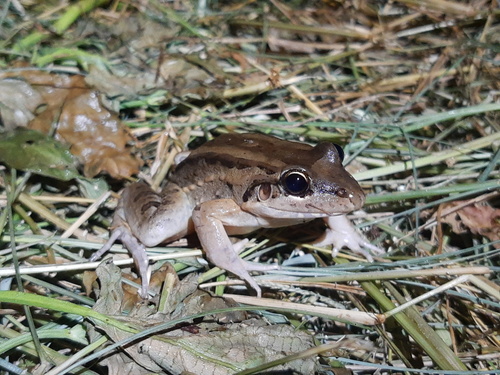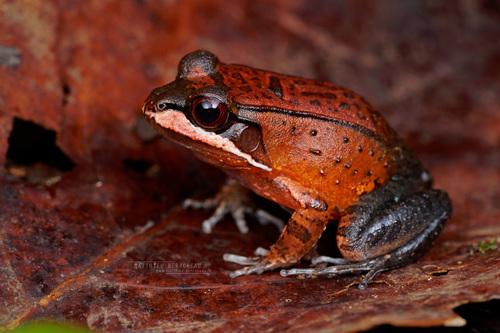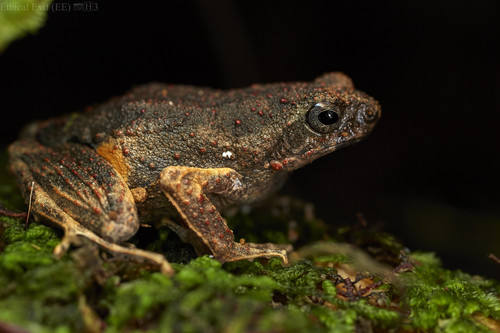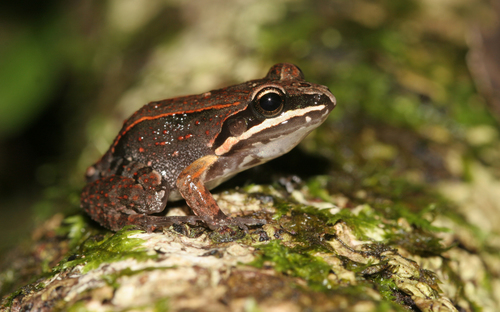
About Leptodactylus melanonotus (Hallowell, 1861)
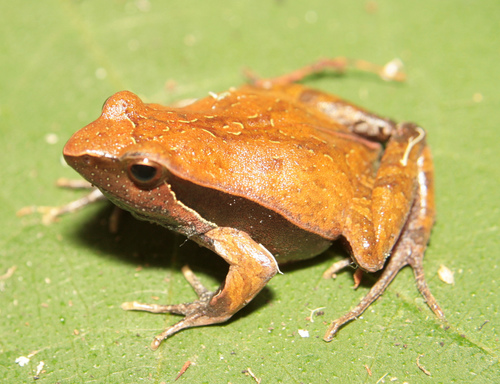
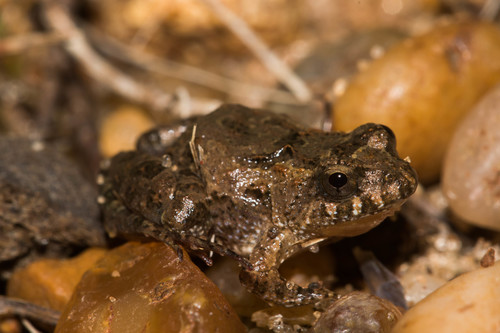
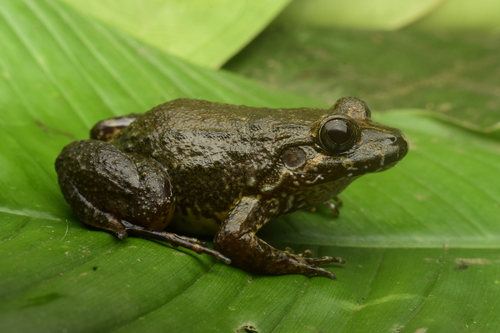
Leptodactylus melanonotus (Hallowell, 1861) is a species of frog belonging to the family Leptodactylidae. This frog occurs in Mexico, Guatemala, Ecuador, Belize, Colombia, Costa Rica, El Salvador, Honduras, Nicaragua, and Panama. Its natural habitats include subtropical or tropical dry forests, subtropical or tropical moist lowland forests, subtropical or tropical mangrove forests, subtropical or tropical moist montane forests, dry savanna, moist savanna, subtropical or tropical seasonally wet or flooded lowland grassland, intermittent freshwater lakes, freshwater marshes, intermittent freshwater marshes, pastureland, plantations, rural gardens, urban areas, heavily degraded former forest, water storage areas, ponds, and canals and ditches. The species has been recorded at elevations up to 1300 meters above sea level. It has been observed in a number of protected areas, including Meseta de Cacaxtla protected area, Chamela-Cuixmala Biosphere Reserve, El Veladero National Park, Lagunas de Chacahua National Parks, Los Tuxtlas Biosphere Reserve, Pantanos de Centla Biosphere Reserve, Calakmul Biosphere Reserve, Laguna de Términos reserve, and Balaan Kaax reserve. For reproduction, this frog digs a burrow and constructs a bubble nest to hold its eggs. If the burrow does not flood or becomes too dry, the female frog will dig a channel connecting to a nearby body of water.