About Leptodactylus bolivianus Boulenger, 1898
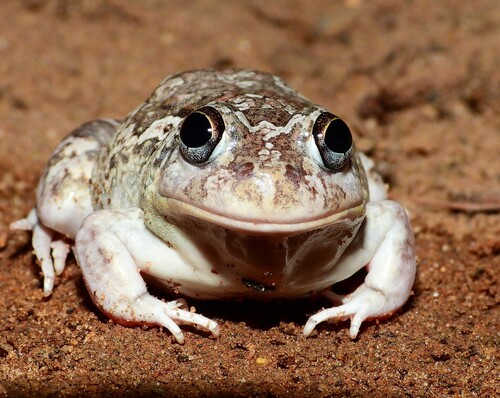
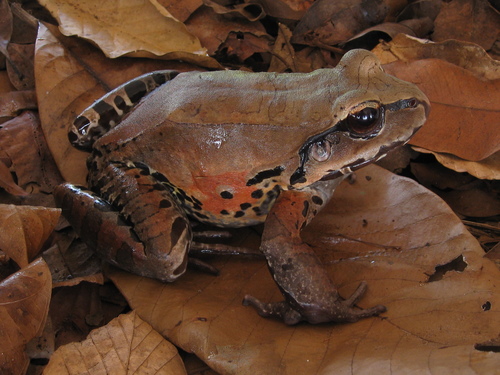
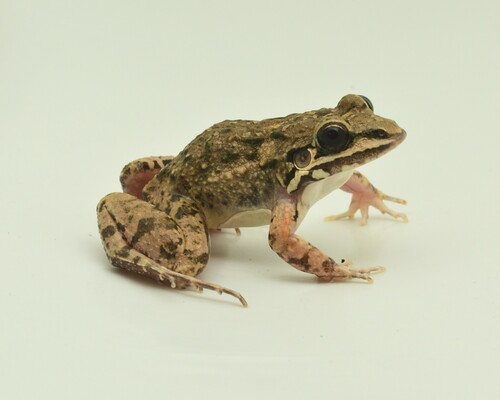
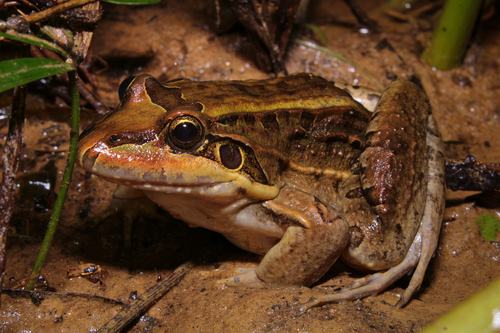
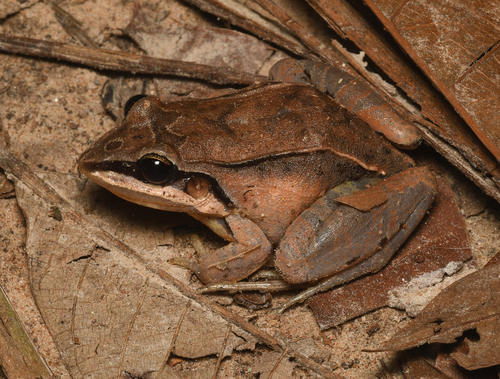
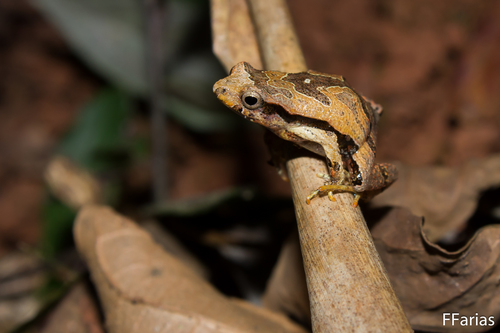
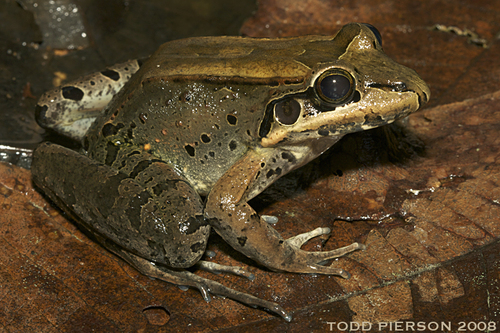
This species is Leptodactylus bolivianus Boulenger, 1898. Adult males of this frog measure 79.0 to 121.5 millimeters in snout-vent length, while adult females measure 61.2 to 107.7 millimeters. The skin on its dorsum is light brown, with darker brown spots and bars on the legs. There is lighter-colored skin above the mouth, and its belly is also lighter in color. Its natural habitats include subtropical or tropical dry forests, subtropical or tropical moist lowland forests, subtropical or tropical seasonally wet or flooded lowland grassland, rivers, intermittent rivers, shrub-dominated wetlands, swamps, freshwater marshes, intermittent freshwater marshes, arable land, pastureland, plantations, rural gardens, urban areas, heavily degraded former forest, ponds, aquaculture ponds, sewage treatment areas, irrigated land, seasonally flooded agricultural land, and canals and ditches. Scientists have recorded this frog in many protected areas, at elevations up to 1400 meters above sea level. For reproduction, this frog lays its eggs in a foam nest that it hides among vegetation. Its tadpoles swim in shallow, muddy-bottomed ponds.