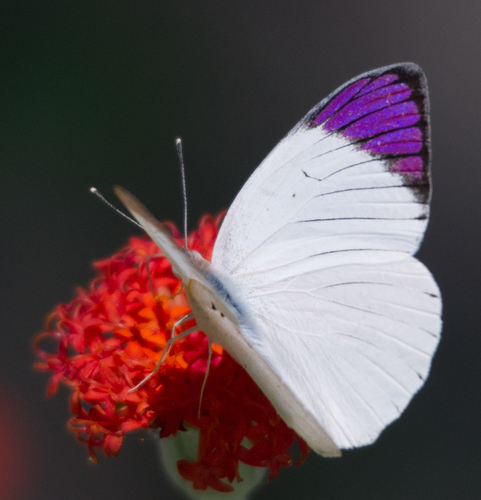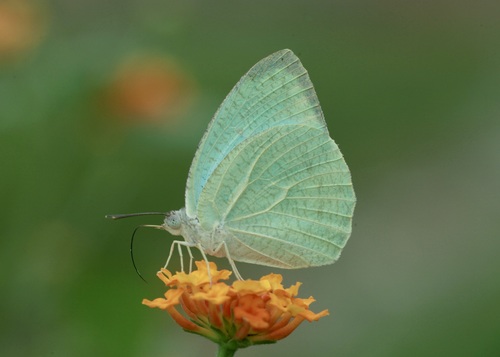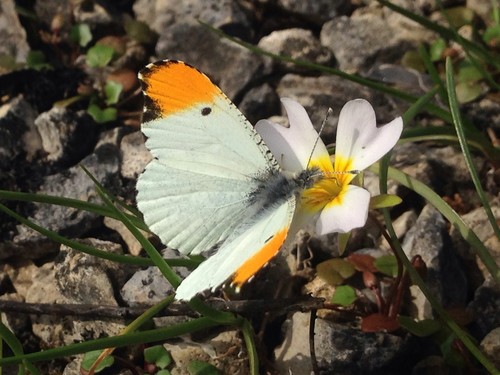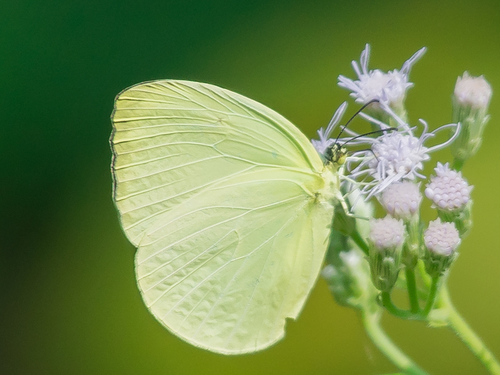
About Leptidea sinapis (Linnaeus, 1758)
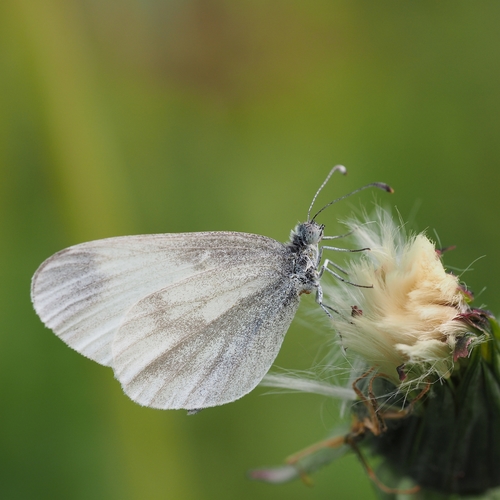
Leptidea sinapis, commonly called the wood white butterfly, belongs to the family Pieridae. It is a small white butterfly. This species has white wings with grey or yellow markings located near the center or tip of the wing. It flies slowly and low over its shrubbery habitat. Males initiate courtship with females, and males can mate multiple times, while females typically mate only once over their lifespan. Its geographic range extends across Europe, stretching east through the Caucasus, Asia Minor, the Middle East, Middle Asia, and Kazakhstan to southern Siberia and the Baikal region. Within Europe, it is unevenly distributed, found in the Midlands and Southern England, Northern Europe, Ireland, Slovakia, the Czech Republic, Sweden, France, and Spain. In England, where its population has declined sharply, it is now restricted primarily to isolated woodland pockets, most notably the Haugh and Wigmore Woods in Herefordshire, England's most consistently populated area for this species. For habitat, the wood white occurs in midlands and southern parts of the United Kingdom, most often in woodland clearings or surrounding shrubbery. It can also be found in substantially sheltered areas including abandoned railway tracks, coastal cliffs, meadows, forest edges, and sparse forests up to 2,500 m above sea level. The species needs habitats with ample vegetation and shrubbery for egg-laying and pupation, but it is very sensitive to the amount of shade in its environment. Too much shade or dense shrubbery causes significant habitat loss for this butterfly, and it selects very specific food plants within its suitable habitats. Rapid changes in shade from tree cover growth or new development in woodlands where the butterflies lay eggs, along with moist or cold weather during the oviposition season, leads to lower numbers of adult wood whites between June and August. In 2005, the wood white was added to the UK BAP Priority Species list due to substantial population decline over the preceding 25 years, especially severe across England. This decline has been linked to changes in woodland management: increased tree planting has created more shade, and woodland rides are not maintained in a condition that allows wood whites to successfully oviposit. Current conservation research focuses on identifying the best methods to maintain suitable woodland habitats for this species, and examining how climate change, particularly winter conditions, impacts the survival of wood white eggs. Very little is currently known about how to maintain woodlands that support stable wood white populations, and this is the primary focus of current conservation research.