About Lepidium sativum L.
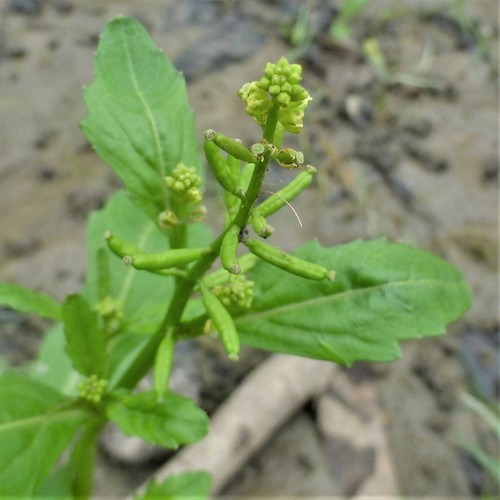
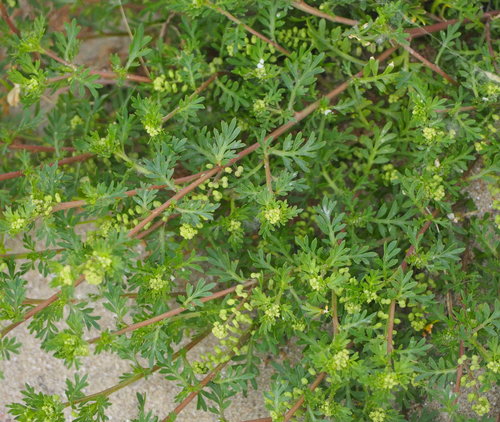
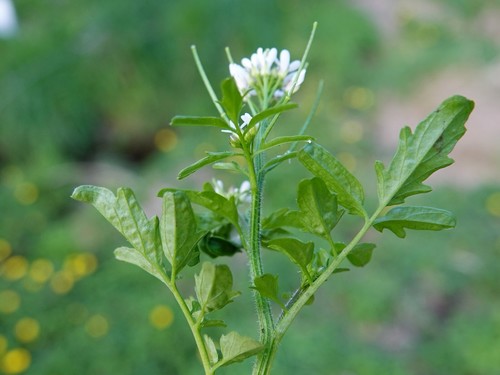
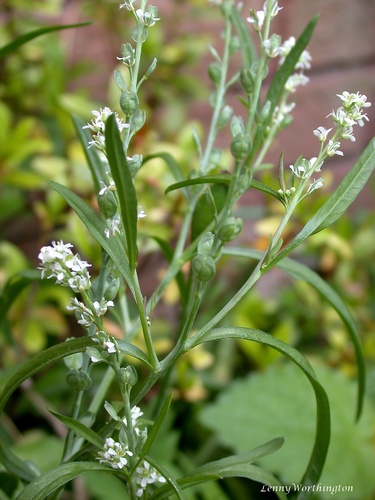
Cress, with the scientific name Lepidium sativum L., is sometimes called garden cress or curly cress to differentiate it from other similar plants also called cress. The word cress comes from Old English cresse. It is a fast-growing, edible herb, genetically related to watercress and mustard, and shares their peppery, tangy flavour and aroma. In some regions, it has other common names including mustard and cress, garden pepper cress, pepperwort, pepper grass, and poor man's pepper. This annual plant can grow up to 60 cm (24 in) tall, with many branches along its upper section. Its white to pinkish flowers measure only 2 mm (1⁄16 in) across, and are clustered in small branched racemes. When eaten raw, garden cress is a high-nutrient food that contains substantial amounts of vitamins A, C and K, along with several dietary minerals. For culinary use, garden cress is added to soups, sandwiches and salads for its tangy flavour. It is also eaten as sprouts, and fresh or dried seed pods can be used as a peppery seasoning called haloon. In the United Kingdom, cut garden cress shoots are commonly included in sandwiches with boiled eggs and mayonnaise. For other uses, garden cress is called chandrashoor, while its seeds are known as aaliv or aleev in Marathi, or halloon in India. It is commonly used in the Ayurveda traditional medicine system. It is also known as asario in India and the Middle East, where it is valued as a medicinal herb. In Arabic, it is called habbat al hamra, which translates literally to red seeds. In the Arabian Peninsula, the seeds are traditionally mixed with custard to create a hot drink. Lepidium sativum is frequently used in school biology experiments. It grows easily on damp paper or cotton, and its fast germination and short development time make it ideal for demonstrating plant growth to students.