About Latrodectus variolus Walckenaer, 1837
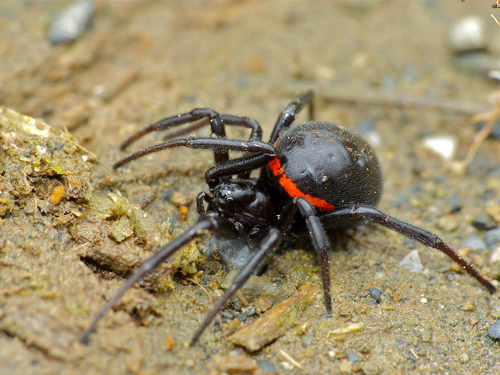
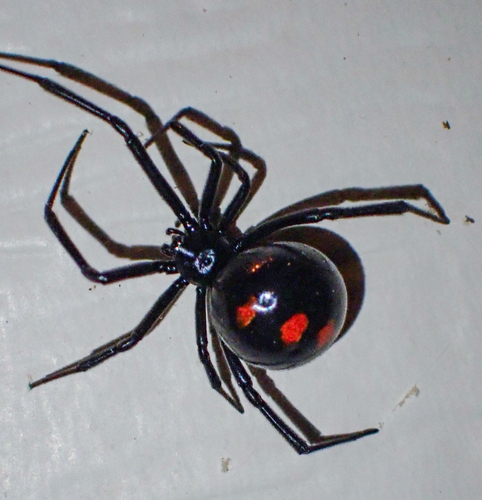
Latrodectus variolus, commonly known as the northern black widow spider or northern widow, is a venomous spider species belonging to the genus Latrodectus in the family Theridiidae. This species is closely related to the southern black widow (Latrodectus mactans) and the western black widow (Latrodectus hesperus), both members of the same genus. In North America, it is most commonly found in the Middle Atlantic states of New Jersey, Delaware, Connecticut, and Maryland. During the April to May mating season, individuals can travel north along the coast as far as Massachusetts in the summer. Rarely, the species has been recorded in southern Ontario, southern Quebec, Michigan, and reaches as far northwest as parts of Wisconsin. A bite from this spider can cause latrodectism, and requires medical attention if a person experiences increasingly severe discomfort, or spreading local redness accompanied by severe pain. Other possible symptoms, which can last up to one week, include body aches, severe pain, fever, inflammation, nausea, and vomiting. Bites to humans are not usually deadly, except for cases involving infants and the elderly. The measured LD-50 of the venom in mice is 1.20–2.70 mg (0.019–0.042 gr), and an individual spider contains approximately 0.254 mg (0.0039 gr) of venom. As of 2015, no antivenom was available for this species, unlike for the related Latrodectus mactans.