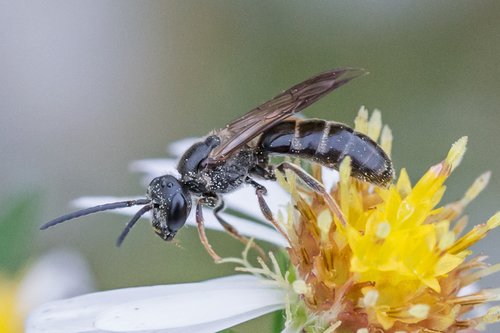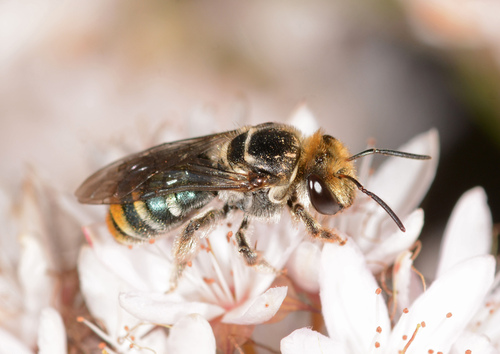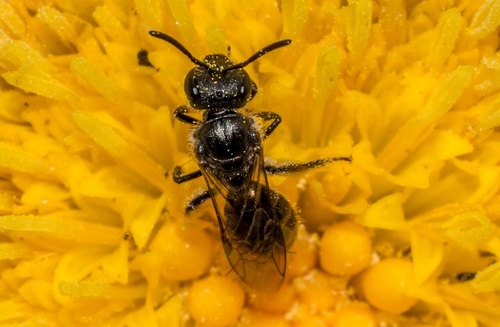
About Lasioglossum sordidum (Smith, 1853)
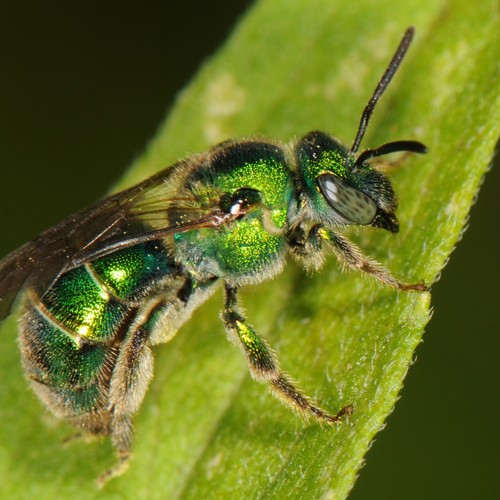
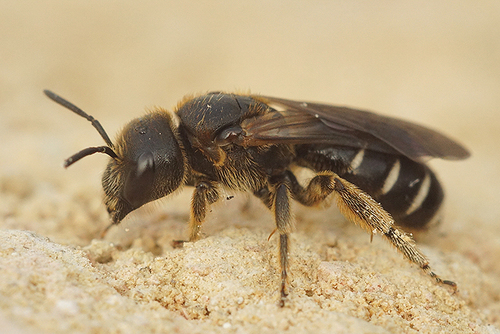
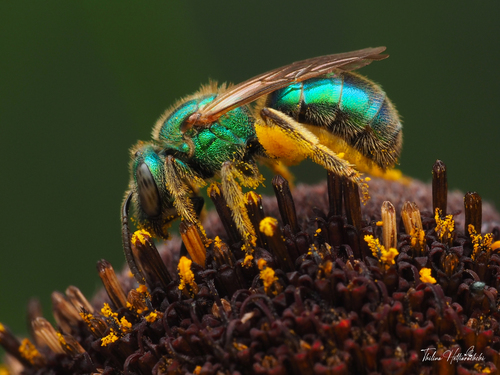
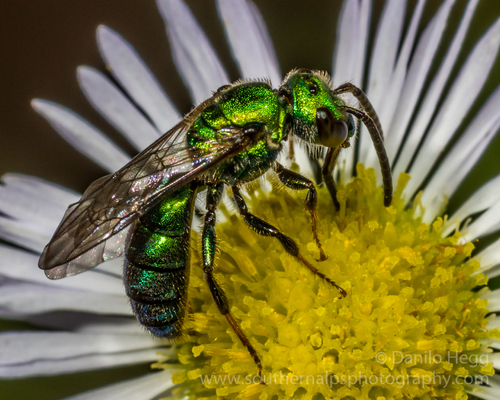
Lasioglossum sordidum (Smith, 1853) individuals grow to around 5 mm in length, and have relatively large wings compared to their body size. Most of the body is covered in hair, and the species is described as small, agile, and fly-like in appearance. These bees have short tongues, but this trait does not limit their ability to gather pollen. Females have wider abdomens than males. Their overall colour and shape are very similar to honey bees, but this small native bee is less stout in build. Lasioglossum sordidum is often mistaken for a small fly, or even goes completely unnoticed. This species is endemic to New Zealand, and can be found throughout the country. It is one of the most abundant ground-nesting bee species in New Zealand. The east coast of the South Island supports the highest adult population of any native bee species in the country. Populations are known to exist in the Christchurch Botanic Gardens, which host a wide diversity of both native and exotic woody and herbaceous plants that support the species. The small native bee constructs ground nests, made up of a network of branching tunnels that can extend up to 400 mm below the surface in fine-grained soils. Up to hundreds of females can nest within just a few square meters of bare soil. Individuals have been observed traveling relatively long distances away from their nests to forage for pollen. Females are classified as solitary, but many individuals will forage from the same nest, and multiple generations are active at any given time, indicating some limited social organization. Fertilized overwintering females remain in the nest through winter, and emerge in late winter as the ground warms. During winter, prepupae survive cold temperatures in moist soils. New adult males and females begin to emerge in late spring and early summer, and all adults are active during the warmer months. Individual bees are unlikely to live longer than eight weeks. Because they remain active nesting and foraging over a long period, they collect pollen from a wide range of flowering plant species. Lasioglossum sordidum has a eusocial life cycle, with both juveniles and adults active at the same time. Eusociality is the system all bees use to raise their young. While females share a single nest and show limited social organization, they generally behave as solitary individuals.