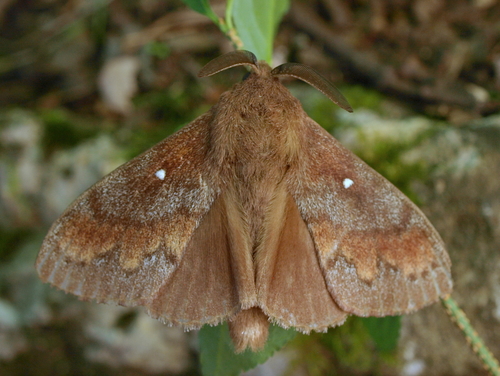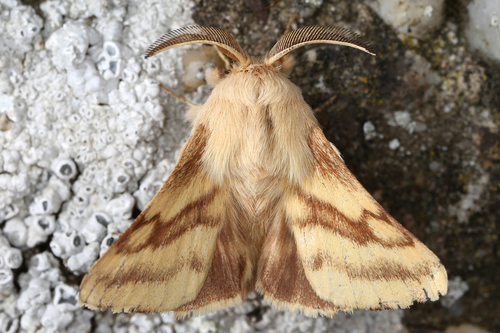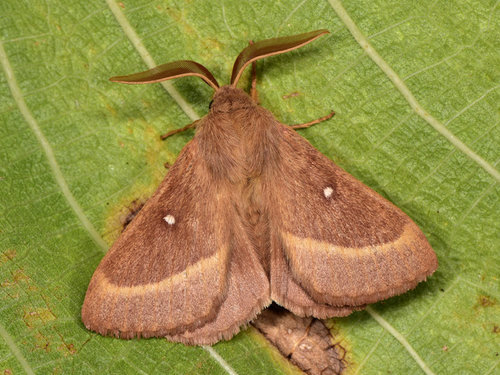
About Lasiocampa trifolii (Denis & Schiffermüller), 1775
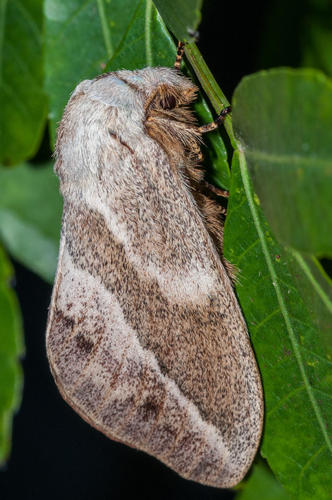
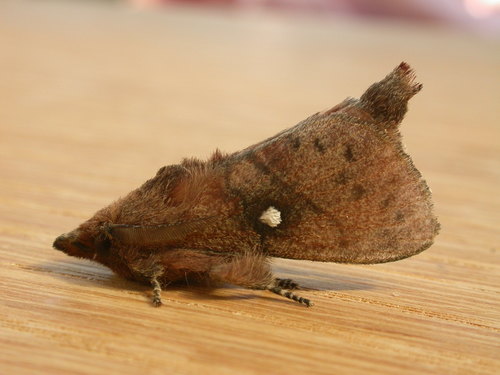
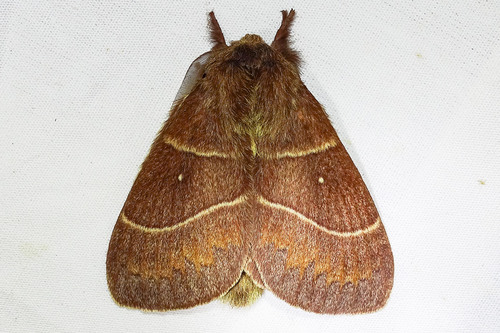
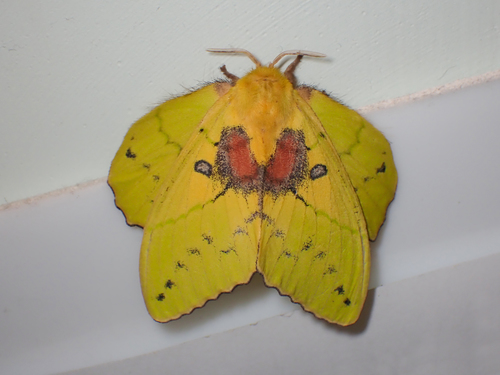
Lasiocampa trifolii, commonly known as the grass eggar, is a moth species in the family Lasiocampidae. It was first described by Michael Denis and Ignaz Schiffermüller in 1775. This moth is found in Europe, where it inhabits coastal dune areas. For its life cycle, females lay eggs on leaves near the ground. The eggs hatch in autumn, and young larvae enter hibernation after hatching. Larvae of Lasiocampa trifolii feed on grasses, a range of shrubs, and deciduous trees including oak, European beech, poplar, and Calluna. The species forms its cocoon on the ground. Adult grass eggars have a wingspan ranging from 40 to 55 millimetres. They fly from June to September, with the exact flight period varying by location; in Britain, adults fly in August. They are active during both the day and night, and will be attracted to artificial light. Females of this species are larger than males.