About Korscheltellus gracilis (Grote)
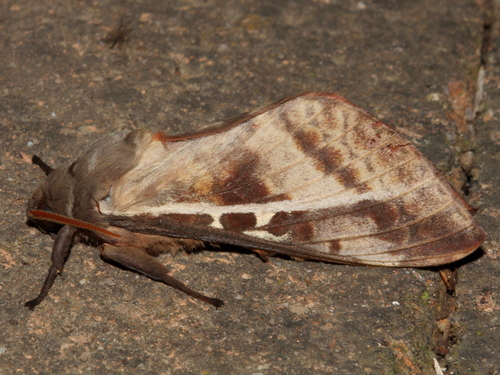
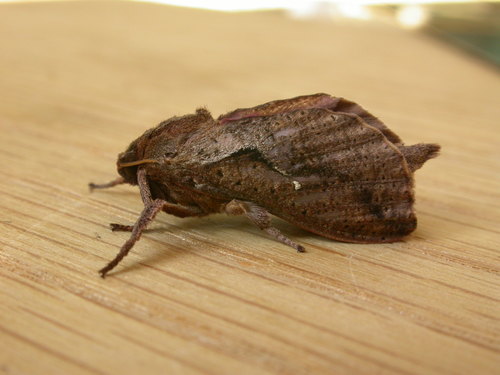
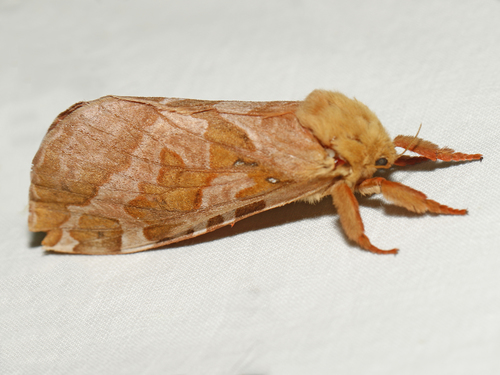
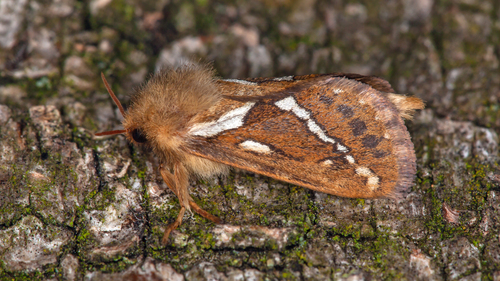
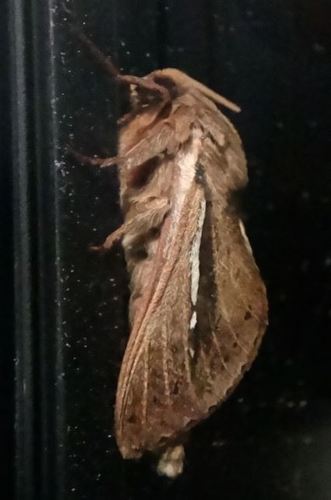
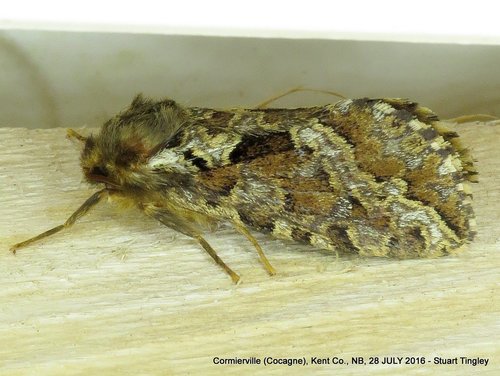
The conifer swift moth, scientifically known as Korscheltellus gracilis (Grote), is a species of swift moth classified as a forest pest in eastern and central North America, ranging from Canada south to North Carolina. Its larvae feed primarily on the roots of evergreen trees. They are weakly polyphagous: they are able to survive on deciduous trees such as birches (genus Betula), but they prefer balsam fir and red spruce. The larvae penetrate tree bark, but the lesions they leave on roots are shallow. Even so, these wounds can create easy points of entry for pathogenic fungi and nematodes. K. gracilis infestation has been demonstrated to reduce the survival rate of tree saplings. Mature adult trees have been found with more than 30 feeding scars on their roots. Trees already weakened by air pollution or changes in soil chemistry are more likely to become infested by K. gracilis. Adult moths are found in wooded habitats between June and August. Their coloration is cryptic for camouflage. They are active for 20 to 40 minutes at each dawn and twilight, and they will occasionally come to light. For this species, all courtship, mating, and most egg laying occurs during evening hours; only oviposition takes place in the morning. K. gracilis is a member of Exoporia, and females scatter their eggs while flying. Larvae require two years to reach full maturity, so the species' populations typically follow two-year life cycles. Females attract males by emitting pheromones from specialized organs located on their hind wings.