Plants — 23,046 Species
Top Families in Plants
All Plants Species
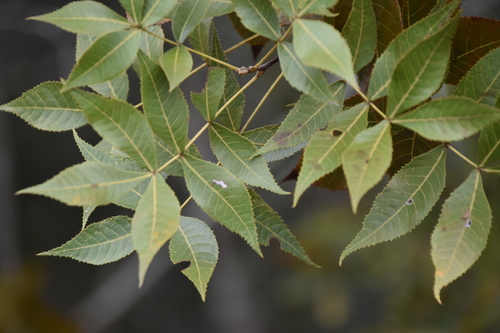
Carya floridana Sarg.
Carya floridana Sarg.
Carya floridana (scrub hickory) is a Florida-native deciduous hickory with sweet edible nuts that feeds local wildlife.
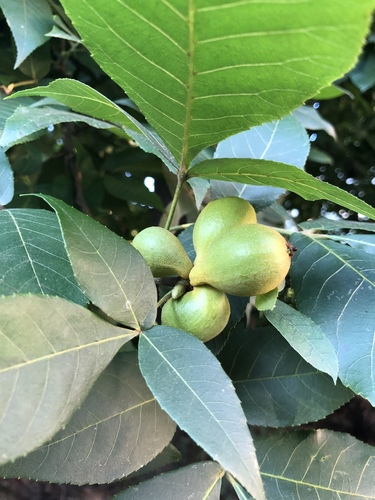
Carya glabra (Mill.) Sweet
Carya glabra (Mill.) Sweet
Pignut hickory (Carya glabra) is a common eastern North American hickory valued for its nuts, wood and shade for wildlife and people.
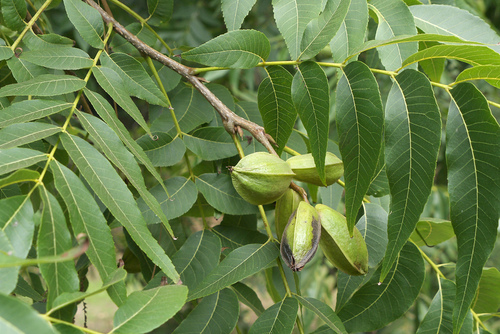
Carya illinoinensis (Wangenh.) K.Koch
Carya illinoinensis (Wangenh.) K.Koch
Carya illinoinensis, the pecan tree, is a large deciduous tree cultivated worldwide for its edible drupe seeds.
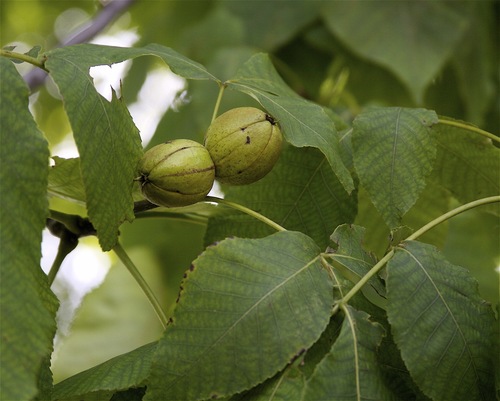
Carya laciniosa (F.Michx.) Loudon
Carya laciniosa (F.Michx.) Loudon
Carya laciniosa, or shellbark hickory, is a slow-growing long-lived tree valued for its edible nuts and useful strong wood.
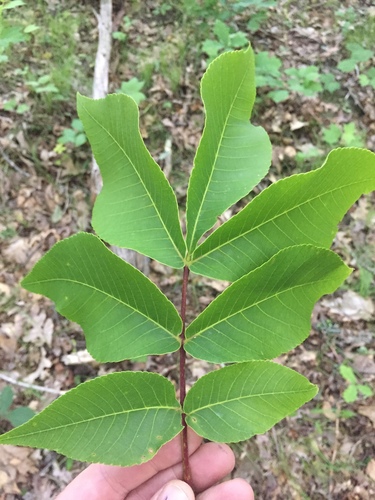
Carya ovalis (Wangenh.) Sarg.
Carya ovalis (Wangenh.) Sarg.
Carya ovalis, commonly called red hickory, is a medium-sized North American hickory tree that produces nuts eaten by many wildlife species.
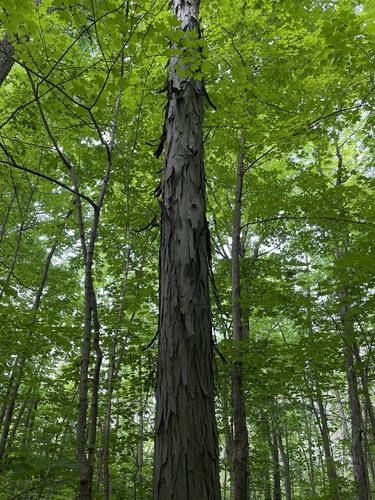
Carya ovata (Mill.) K.Koch
Carya ovata (Mill.) K.Koch
Carya ovata, or shagbark hickory, is a long-lived deciduous tree native to eastern North America with edible nuts and useful strong wood.
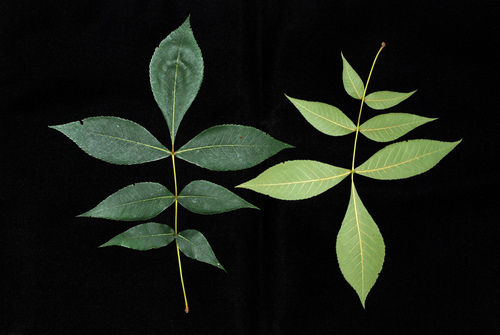
Carya texana Buckley
Carya texana Buckley
Carya texana Buckley, commonly called black hickory, is a North American hickory that produces edible sometimes bitter nuts.
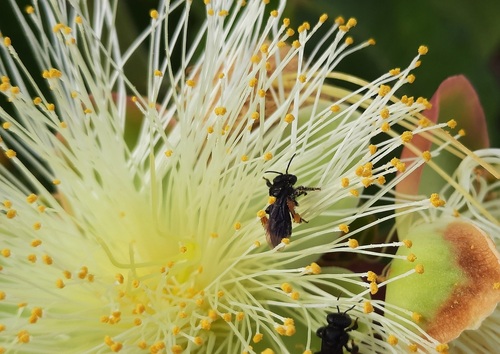
Caryocar brasiliense A.St.-Hil.
Caryocar brasiliense A.St.-Hil.
Caryocar brasiliense, the pequi tree, is a cerrado-dwelling South American tree with edible fruit important to Brazilian regional culture.
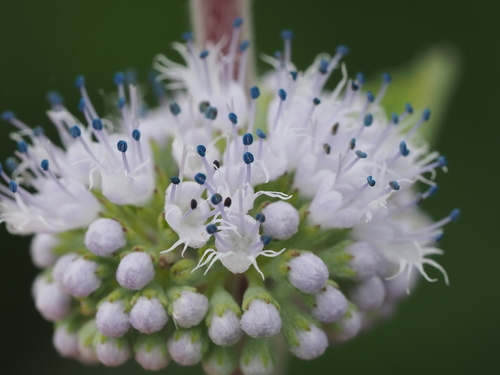
Caryopteris incana (Thunb. ex Houtt.) Miq.
Caryopteris incana (Thunb. ex Houtt.) Miq.
Caryopteris incana is a 2 - m - long deciduous vine with tuberous roots, alternate palmately - divided leaves, pale - yellow bisexual flowers in panicles, round spotted fruits, flowering from late June to early August and fruiting from late August to mid - October, distributed in central - southern China and some Korean provinces.
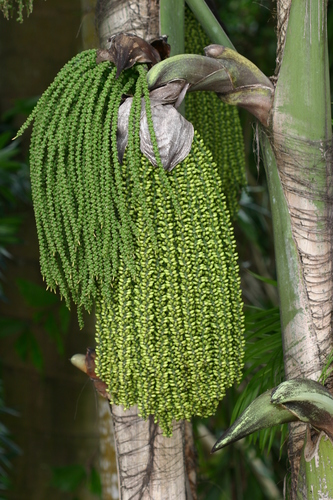
Caryota mitis Lour.
Caryota mitis Lour.
Caryota mitis is a clustered palm with harmful irritant fruits, cultivated ornamentally and used in traditional Cambodian medicine and food.
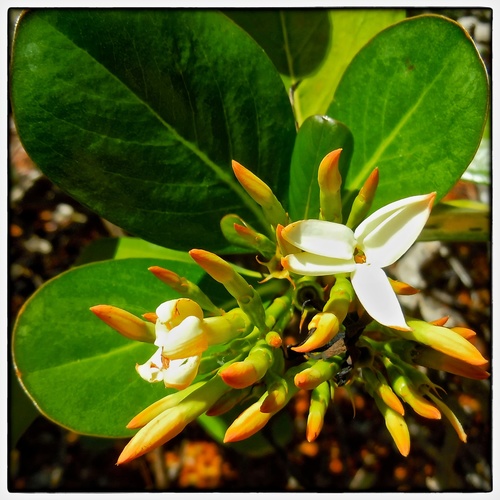
Casasia clusiifolia (Jacq.) Urb.
Casasia clusiifolia (Jacq.) Urb.
Casasia clusiifolia (sevenyear apple) is a Rubiaceae species common in Florida, native to the Bahamas, Bermuda, Cuba, and south Florida.
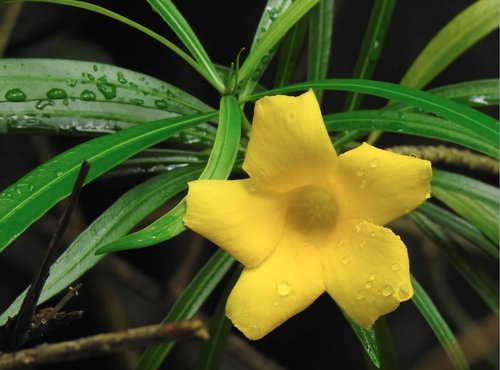
Cascabela thevetia (L.) Lippold
Cascabela thevetia (L.) Lippold
Cascabela thevetia is a toxic evergreen tropical shrub or small tree grown ornamentally, with cardiac glycoside toxins.
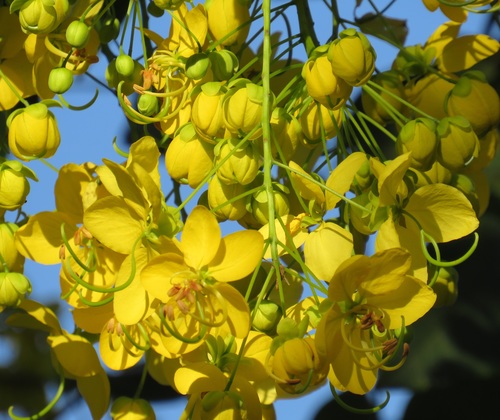
Cassia abbreviata Oliv.
Cassia abbreviata Oliv.
Cassia abbreviata Oliv. is a tropical African tree in the Cassia genus that is an important medicinal plant in Botswana.
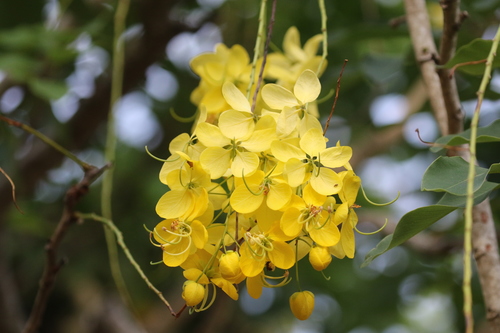
Cassia fistula L.
Cassia fistula L.
Cassia fistula L., the golden shower tree, is a tropical ornamental tree with ornamental, food, and traditional medicinal uses.
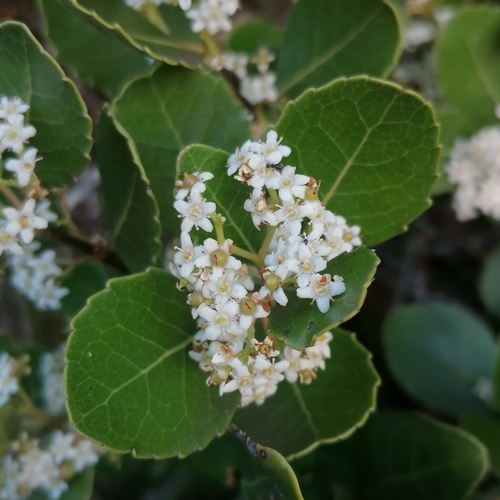
Cassine peragua L.
Cassine peragua L.
Cassine peragua L. is a medium-sized tree indigenous to southern African forests, widely cultivated as an ornamental garden tree.
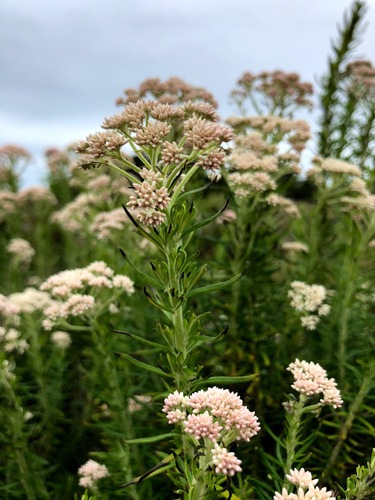
Cassinia aculeata (Labill.) R.Br.
Cassinia aculeata (Labill.) R.Br.
Cassinia aculeata is an erect Australian shrub used in horticulture, whose foliage may cause skin irritations.
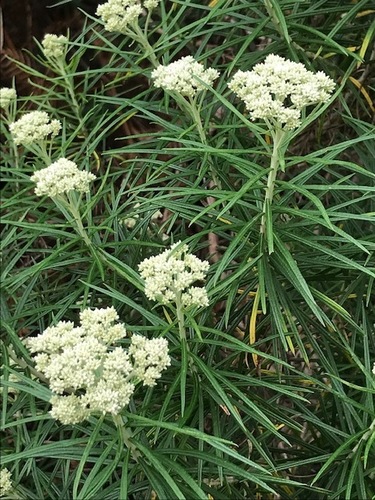
Cassinia longifolia R.Br.
Cassinia longifolia R.Br.
Cassinia longifolia is an erect aromatic Australian shrub that grows in forests and disturbed areas of southeastern Australia.

Cassinia sifton Orchard
Cassinia sifton Orchard
Cassinia sifton is an Australian multi-stemmed shrub that is classified as a weed in parts of New South Wales.
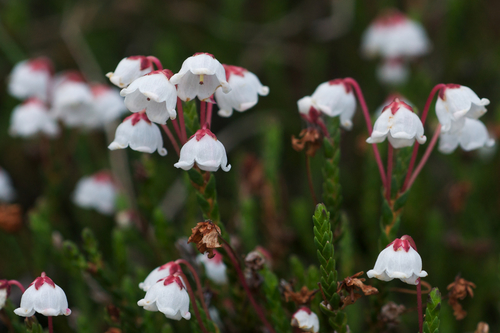
Cassiope mertensiana (Bong.) D.Don
Cassiope mertensiana (Bong.) D.Don
Cassiope mertensiana is a small shrub with scalelike leaves, hanging white bell flowers, that grows in snowy habitats with rain, sun, and warm growing conditions.
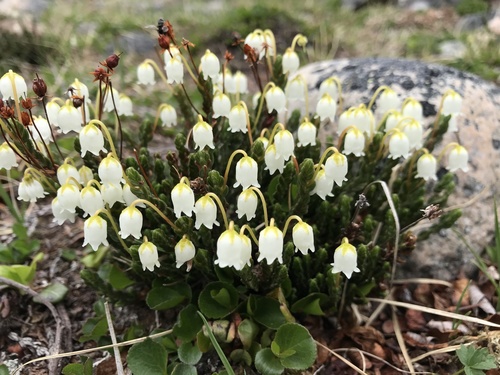
Cassiope tetragona (L.) D.Don
Cassiope tetragona (L.) D.Don
Cassiope tetragona is a widely distributed Arctic dwarf shrub with traditional and culinary uses.
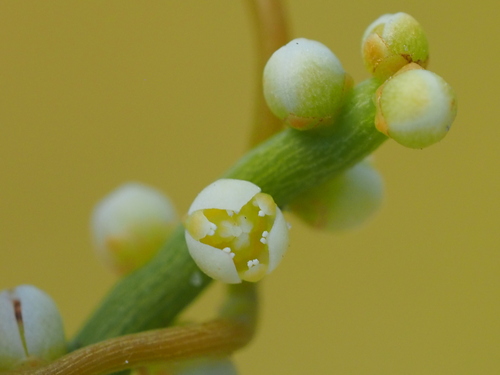
Cassytha filiformis L.
Cassytha filiformis L.
Cassytha filiformis, or love-vine, is a widespread obligate parasitic vine in Lauraceae with various traditional human uses.
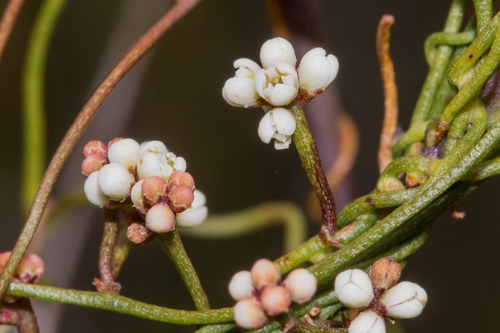
Cassytha glabella R.Br.
Cassytha glabella R.Br.
Cassytha glabella (slender devil's twine) is a hemiparasitic twining vine from Australian moister areas in the laurel family.
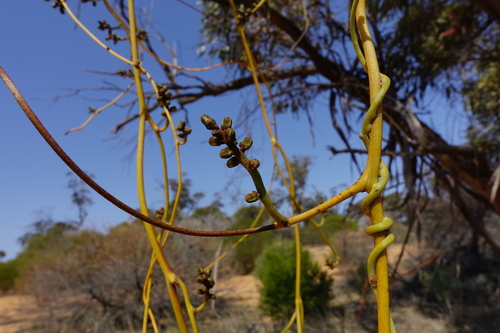
Cassytha melantha R.Br.
Cassytha melantha R.Br.
Cassytha melantha is an edible-fruited Australian parasitic vine also known as coarse or large dodder-laurel.
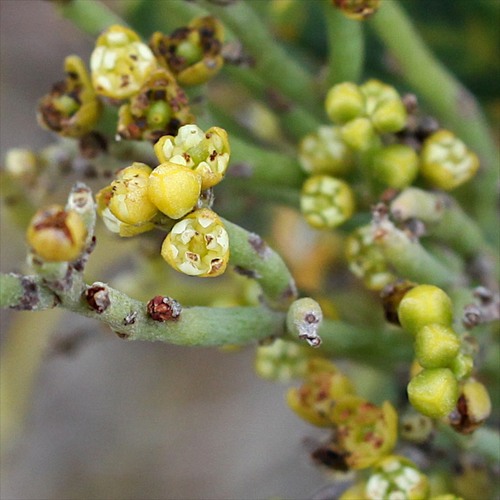
Cassytha pubescens R.Br.
Cassytha pubescens R.Br.
Cassytha pubescens is an Australian hemiparasitic vine that preferentially harms invasive woody hosts, and is proposed for biological control.
Start Exploring Nature Today
Download iNature for free. 10 identifications on us. No account needed. No credit card required.
Download Free on App Store
