Plants — 23,046 Species
Top Families in Plants
All Plants Species
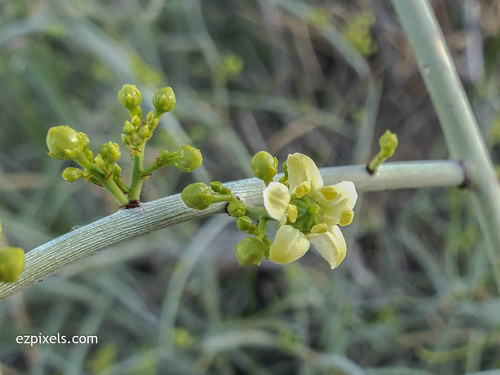
Canotia holacantha Torr.
Canotia holacantha Torr.
Canotia holacantha is a thorny scrubby desert plant native to higher elevation deserts of the southwestern US and northwestern Mexico.
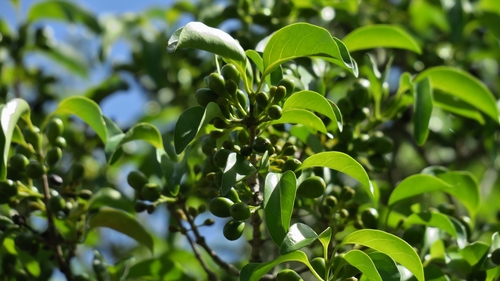
Canthium inerme (L.f.) Kuntze
Canthium inerme (L.f.) Kuntze
Canthium inerme, the Turkey-berry, is a tough adaptable South African tree with edible fruit and traditional medicinal uses.
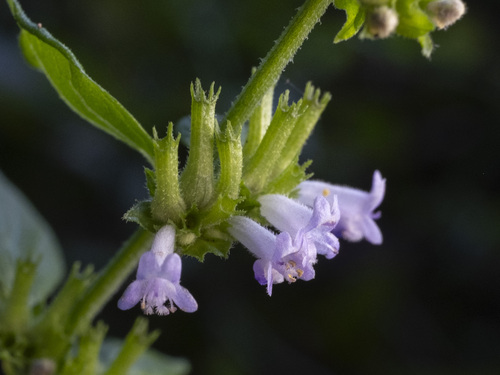
Cantinoa mutabilis (Rich.) Harley & J.F.B.Pastore
Cantinoa mutabilis (Rich.) Harley & J.F.B.Pastore
Cantinoa mutabilis is an aromatic Lamiaceae herb or subshrub native to tropical and subtropical regions of the Americas.
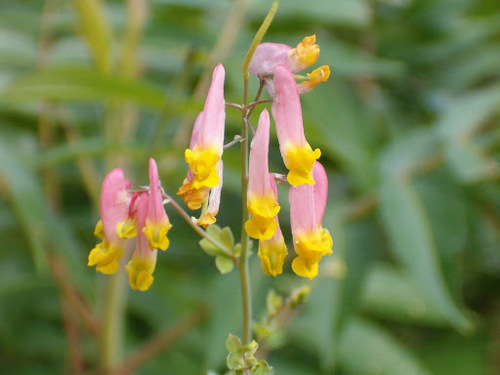
Capnoides sempervirens (L.) Borkh.
Capnoides sempervirens (L.) Borkh.
Capnoides sempervirens is a glaucous herb with pink yellow-tipped flowers that often grows in fire-disturbed areas in North America.
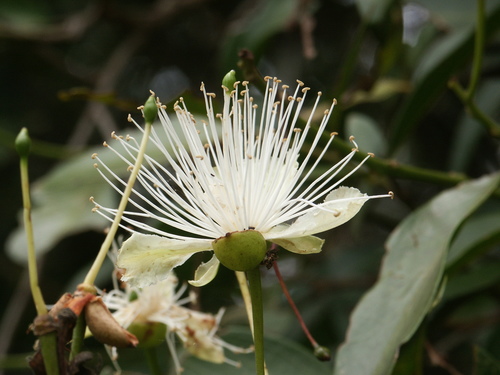
Capparis arborea (F.Muell.) Maiden
Capparis arborea (F.Muell.) Maiden
Capparis arborea is a woody plant with variable size, prickles on young growth, and alternate simple leaves.
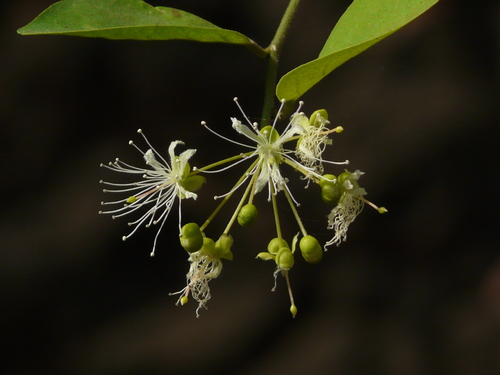
Capparis sepiaria L.
Capparis sepiaria L.
Capparis sepiaria is a 3–5 m tall prickly evergreen pantropical shrub with traditional medicinal uses in parts of India.
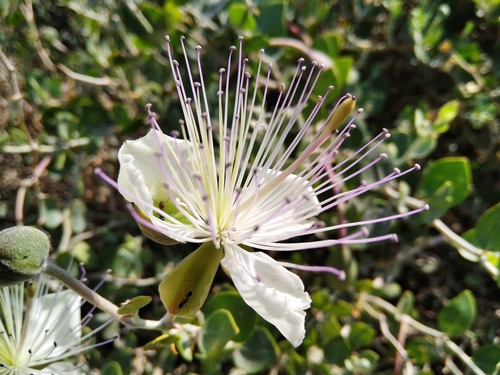
Capparis spinosa L.
Capparis spinosa L.
Capparis spinosa L. is a branched shrub native to Mediterranean, Central and Western Asian regions, whose capers are sometimes used in cosmetics.
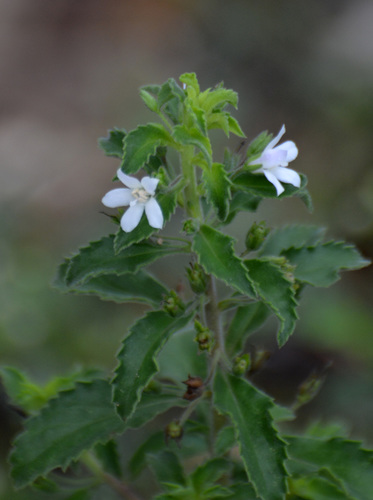
Capraria biflora L.
Capraria biflora L.
Wijnands and some other authors treated van Royen material (L) as the lectotype of Capraria biflora L., but D'Arcy's choice predates theirs.
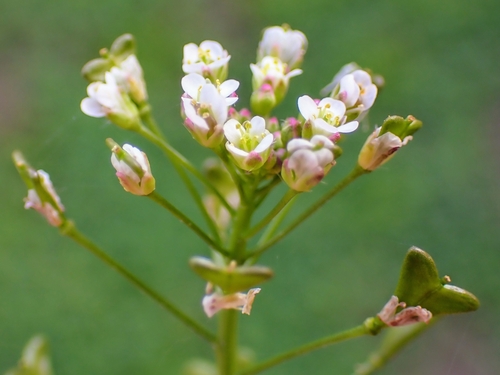
Capsella bursa-pastoris (L.) Medik.
Capsella bursa-pastoris (L.) Medik.
Capsella bursa-pastoris is a common widespread ruderal flowering plant with food, feed, cosmetic, and traditional medicinal uses.
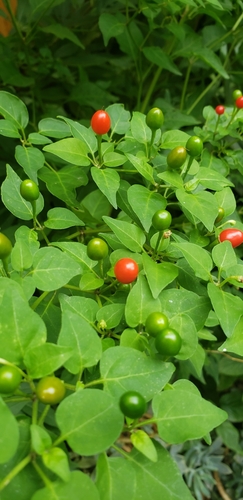
Capsicum annuum L.
Capsicum annuum L.
Capsicum annuum L. is a widely cultivated pepper with variable forms, used for food, medicine, cosmetics, and self-defense.
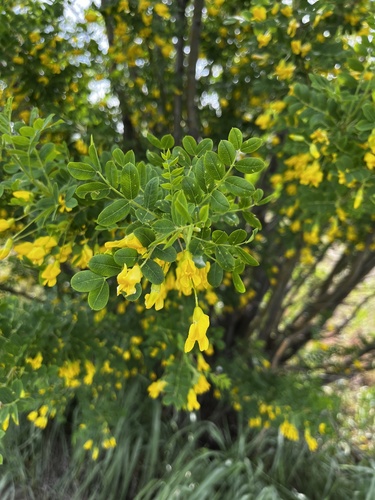
Caragana arborescens Lam.
Caragana arborescens Lam.
Caragana arborescens Lam. is a perennial woody plant used as an ornamental, in windbreaks, and for erosion control with edible seeds.
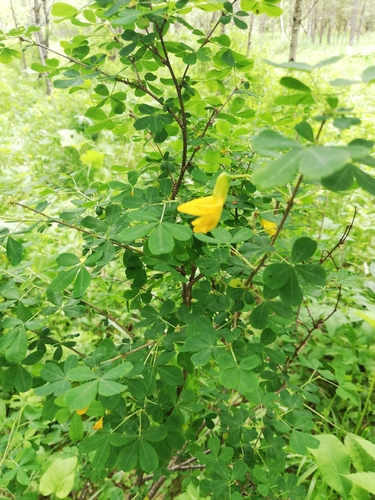
Caragana frutex (L.) K.Koch
Caragana frutex (L.) K.Koch
Caragana frutex is a flowering plant species in the Fabaceae family native from Bulgaria to China.
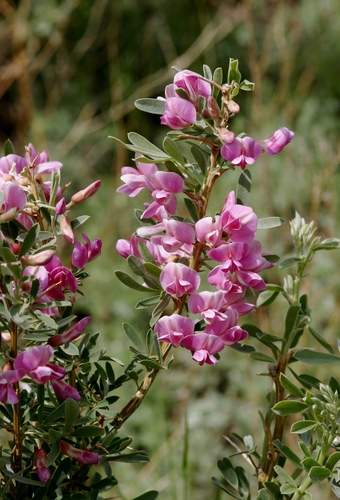
Caragana halodendron (Pall.) Dum.Cours.
Caragana halodendron (Pall.) Dum.Cours.
Caragana halodendron, the common salt tree, is a deciduous spiny shrub native to Russia and southern Asia, often a noxious introduced weed elsewhere.
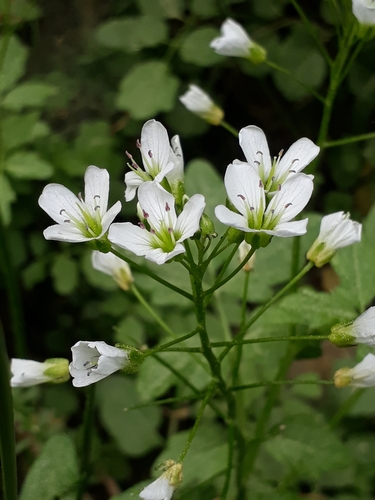
Cardamine amara L.
Cardamine amara L.
Large bitter-cress (Cardamine amara) is a perennial flowering mustard species that grows in damp places.
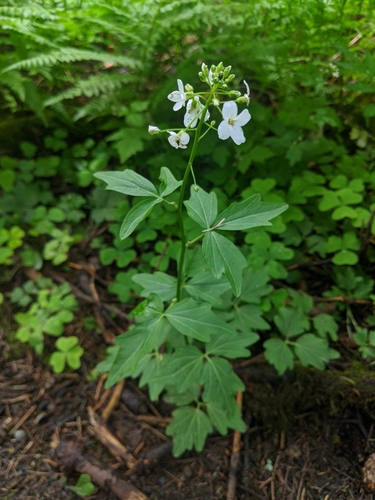
Cardamine angulata Hook.
Cardamine angulata Hook.
Cardamine angulata (angled bittercress) is a North American wetland plant that ranges from California to Alaska.
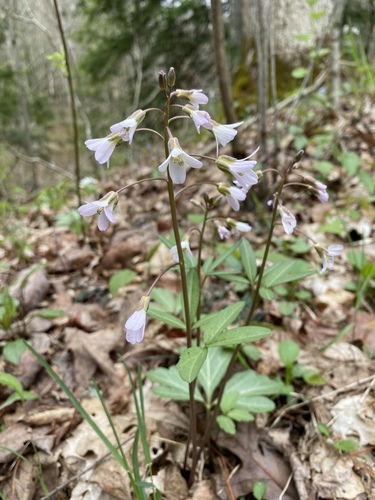
Cardamine angustata O.E.Schulz
Cardamine angustata O.E.Schulz
Cardamine angustata O.E.Schulz is a small herbaceous plant native to the eastern United States that grows in forest habitats.
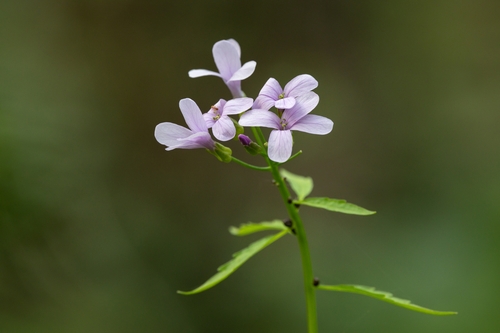
Cardamine bulbifera (L.) Crantz
Cardamine bulbifera (L.) Crantz
Cardamine bulbifera is a perennial Brassicaceae flowering plant that grows in damp places and reproduces via leaf-base bulbils.
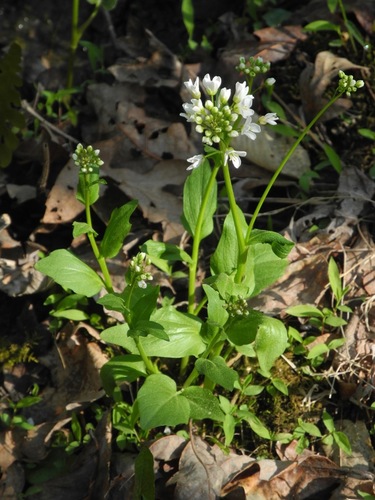
Cardamine bulbosa (Schreb. ex Muhl.) Britton, Sterns & Poggenb.
Cardamine bulbosa (Schreb. ex Muhl.) Britton, Sterns & Poggenb.
Cardamine bulbosa is an edible perennial mustard-family plant native to eastern North America that bears white flowers in late spring to early summer.
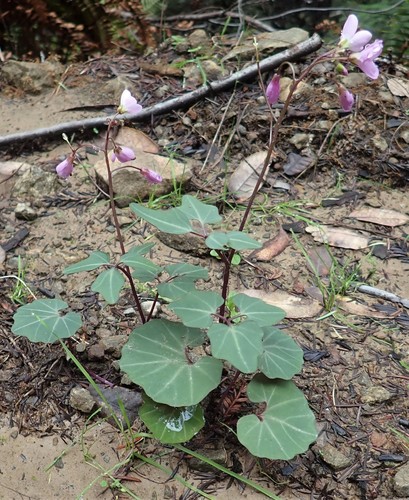
Cardamine californica (Nutt.) Greene
Cardamine californica (Nutt.) Greene
Cardamine californica is an herbaceous perennial with white to pink four-petaled flowers that has adaptive pollen protection behaviors.
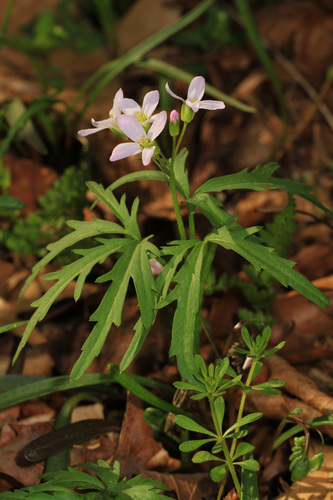
Cardamine concatenata (Michx.) O.Schwarz
Cardamine concatenata (Michx.) O.Schwarz
Cardamine concatenata is a North American mustards that is a host for an imperiled butterfly and has edible roots used as a horseradish substitute.
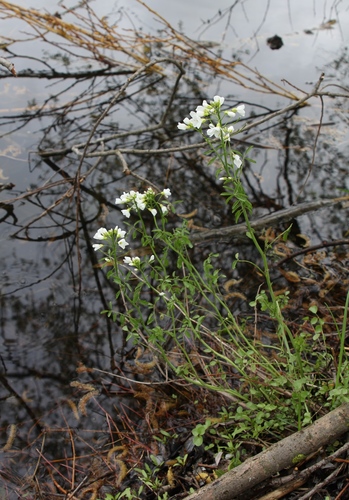
Cardamine dentata Schult.
Cardamine dentata Schult.
Cardamine dentata Schult. entry with details on the related species Cardamine pratensis, a herbaceous edible perennial.
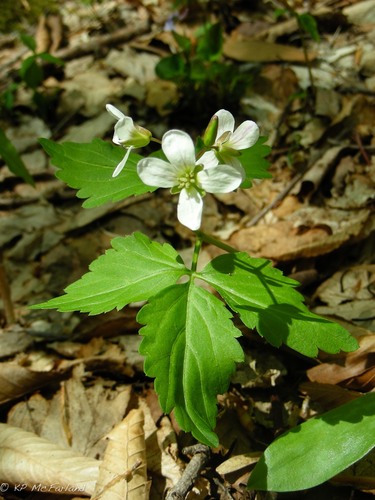
Cardamine diphylla (Michx.) A.W.Wood
Cardamine diphylla (Michx.) A.W.Wood
Cardamine diphylla is a mustard family mustard native to eastern North America with documented Indigenous uses.
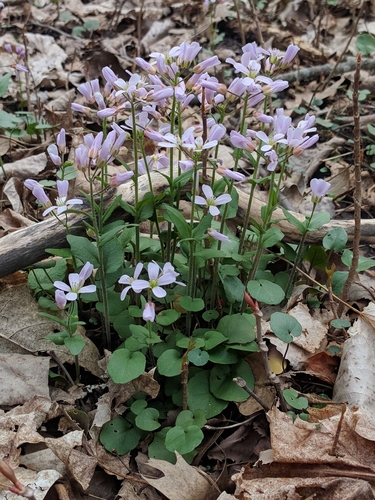
Cardamine douglassii Britton
Cardamine douglassii Britton
Cardamine douglassii Britton is a spring-flowering mustard relative native to eastern North America with specific regional conservation statuses.
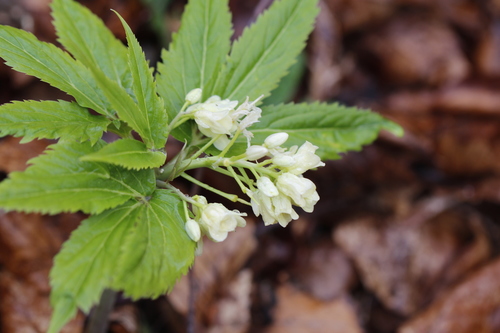
Cardamine enneaphyllos (L.) Crantz
Cardamine enneaphyllos (L.) Crantz
Cardamine enneaphyllos is a spreading rhizomatous geophyte flowering plant in Brassicaceae, native to parts of Europe, that prefers shady spots.
Start Exploring Nature Today
Download iNature for free. 10 identifications on us. No account needed. No credit card required.
Download Free on App Store
