Plants — 23,046 Species
Top Families in Plants
All Plants Species
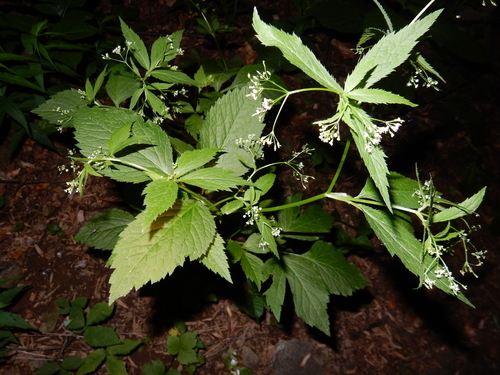
honewort
Cryptotaenia canadensis (L.) DC.
Canadian honewort (Cryptotaenia canadensis) is an edible perennial native to eastern North America.
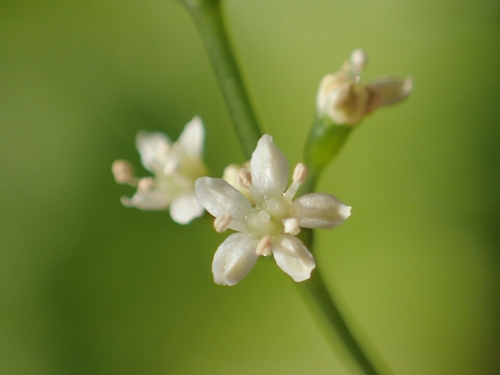
Japanese honewort
Cryptotaenia japonica Hassk.
Cryptotaenia japonica Hassk. is an edible plant with culinary and traditional medical uses, grown in East Asia.
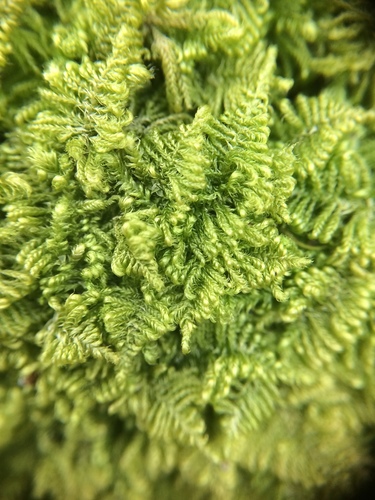
Comb-moss
Ctenidium molluscum (Hedw.) Mitt.
Ctenidium molluscum is a moss in the Hypnaceae family, native to Eurasia and Northern America.
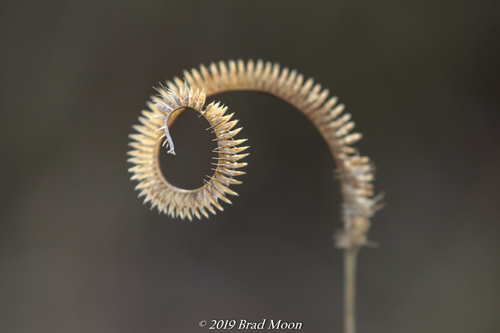
Toothache grass
Ctenium aromaticum (Walter) Alph.Wood
Ctenium aromaticum, or toothache grass, is a native US perennial grass with numbing effects when chewed.
eastern green violet
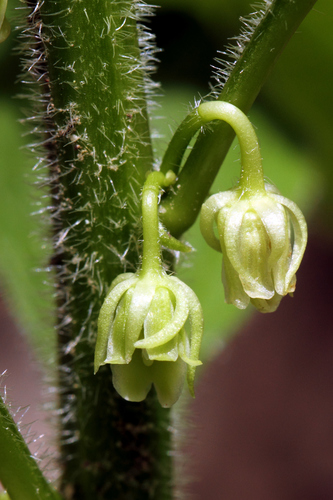
Cubelium concolor (T.F.Forst.) Raf.
Cubelium concolor (green violet) is a shrub-like herb found in nutrient-rich calcareous forests of eastern North America.
Teasel Gourd
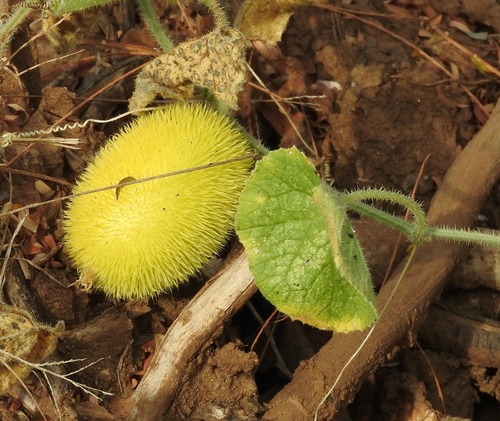
Cucumis dipsaceus Ehrenb. ex Spach
Cucumis dipsaceus is an edible, medicinally used annual cucumber relative native to Eastern Africa that is invasive in several warm regions worldwide.
Muskmelon
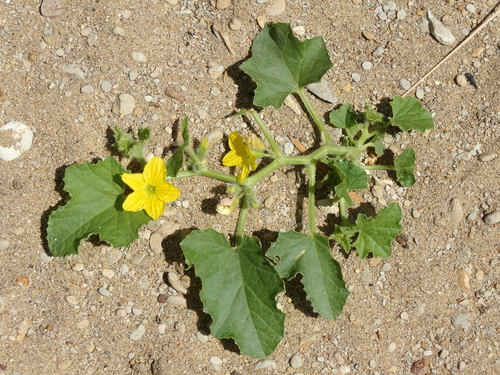
Cucumis melo L.
Cucumis melo L., or melon, is a widely cultivated Cucumis species with varied rind textures and multiple uses, of uncertain origin.
paddy melon
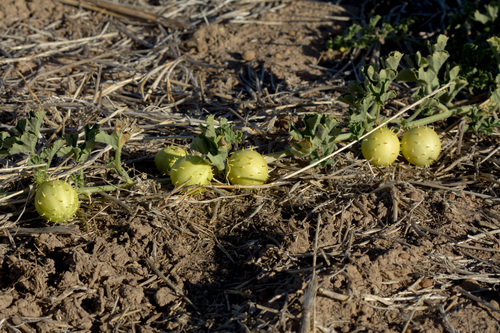
Cucumis myriocarpus Naudin
Cucumis myriocarpus is a toxic invasive annual herb from southern Africa, a noxious weed in Australia and California.
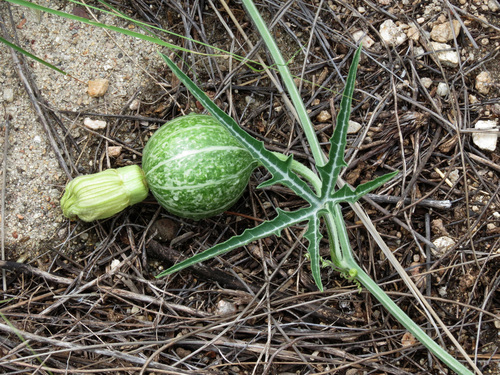
finger-leaved gourd
Cucurbita digitata A.Gray
Cucurbita digitata A.Gray is a hairy vining gourd with palmate leaves, yellow flowers, bitter inedible fruit, and nutritious high-fat, high-protein seeds.
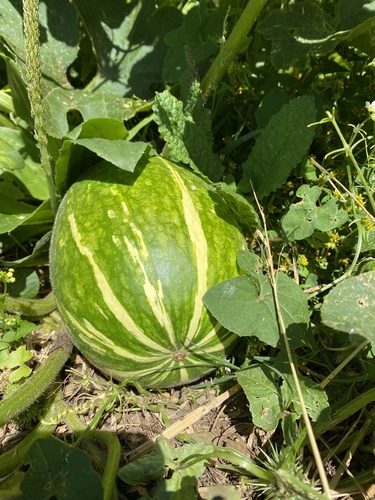
fig-leafed gourd
Cucurbita ficifolia Bouché
Cucurbita ficifolia Bouché, the fig-leaved gourd, is an annual cultivated cucurbit used for food and diabetes treatment.
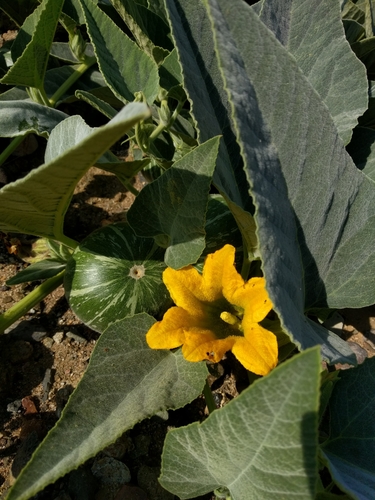
Buffalo Gourd
Cucurbita foetidissima Kunth
Cucurbita foetidissima (buffalo gourd) is a North American perennial with food, traditional, and industrial uses, suited to arid and semiarid lands.
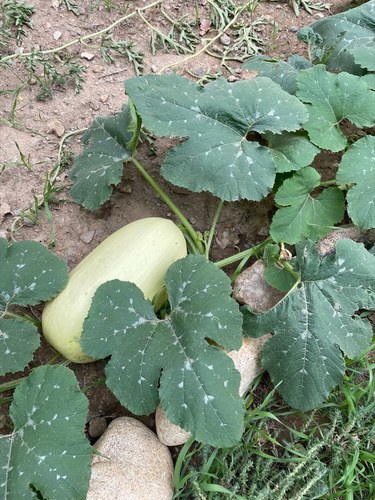
Squash
Cucurbita moschata (Duchesne) Duchesne ex Poir.
Cucurbita moschata is a tropical American cultivated species of squash or pumpkin, valued for tolerance and use in commercial pumpkin pie.
coyote melon
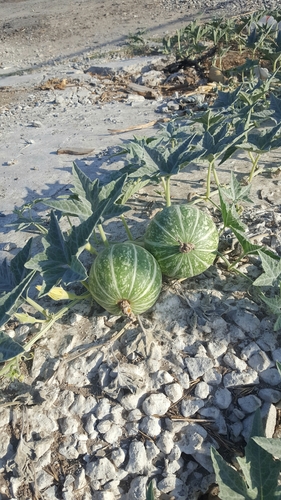
Cucurbita palmata S.Watson
Cucurbita palmata is a sprawling bitter-fruited vine that Native Americans used for soap, food, and ceremonial rattles.
American pumpkin
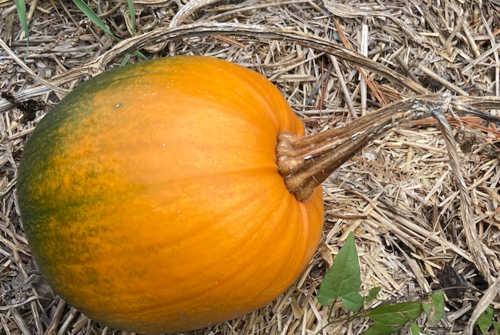
Cucurbita pepo L.
Cucurbita pepo L. is an adaptable cultivated cucurbit with edible parts and documented cultural and medicinal uses.
Beach Snakethistle
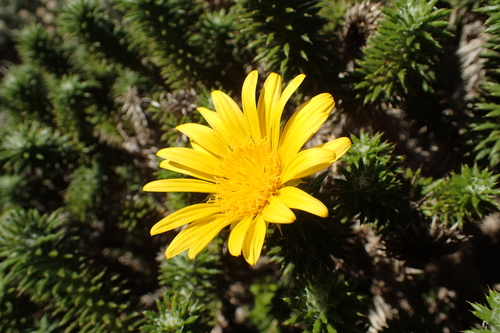
Cullumia squarrosa (L.) R.Br.
Wijnands argued to reject Roessler's typification as the Linnaean - name thesis used Burman - lent specimens, but 1027.4 (LINN) annotated by Linnaeus seems original, so Roessler's typification is accepted.
common dittany
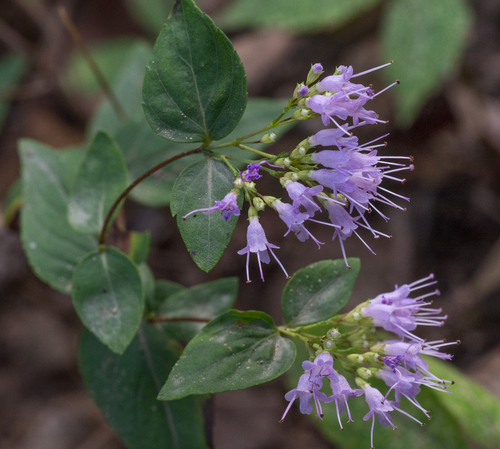
Cunila origanoides (L.) Britton
Cunila origanoides is a small shrubby mint-scented US native plant with documented traditional medicinal uses.
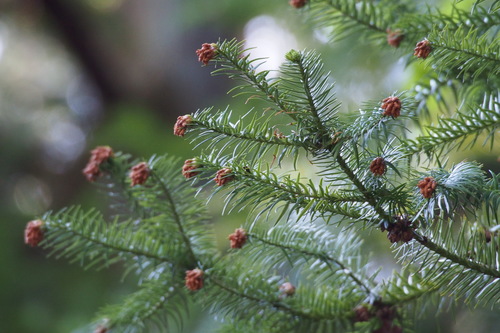
China-fir
Cunninghamia lanceolata (Lamb.) Hook.
Cunninghamia lanceolata (Chinese fir) is a tall conifer native to China, widely grown for timber and carbon sequestration.
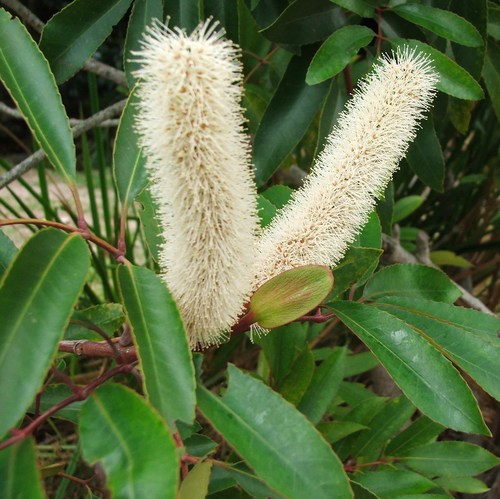
butterspoon tree
Cunonia capensis L.
Cunonia capensis is a fast-growing southern African small tree widely grown as an ornamental for its attractive foliage and flowers.
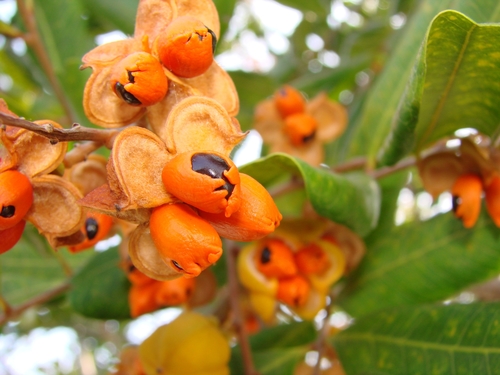
Tuckeroo
Cupaniopsis anacardioides (A.Rich.) Radlk.
Cupaniopsis anacardioides, or tuckeroo, is a tree native to Australasia that is widely used in horticulture and invasive in parts of the US.
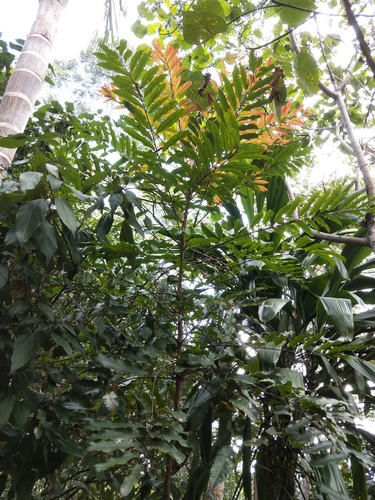
long-leaved tuckeroo
Cupaniopsis newmanii S.T.Reynolds
Cupaniopsis newmanii, long-leaved tuckeroo, is a shrub or small tree native to rainforest margins in eastern Australia.
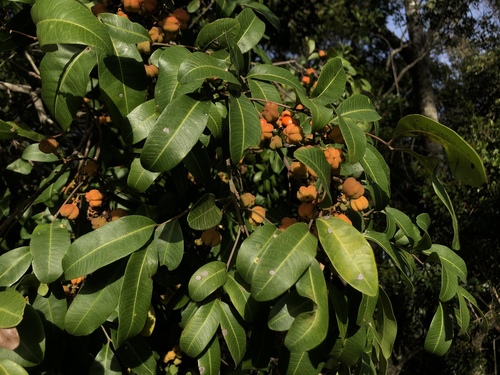
small-leaved tuckeroo
Cupaniopsis parvifolia (F.M.Bailey) L.A.S.Johnson
Cupaniopsis anacardioides, also called tuckeroo, is a tree with a natural range in Australasia and New Guinea, cultivated horticulturally and invasive in parts of the US.
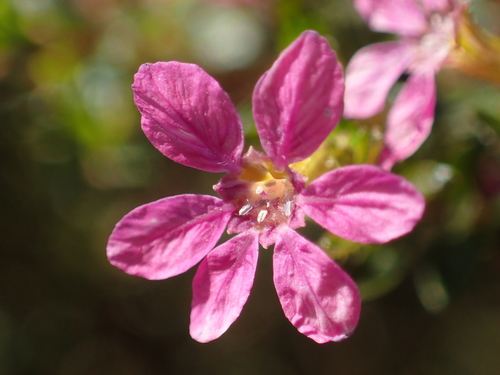
False heather
Cuphea hyssopifolia Kunth
Cuphea hyssopifolia Kunth is a small ornamental flowering shrub widely cultivated in gardens, and it is a naturalized serious weed in Hawaii.
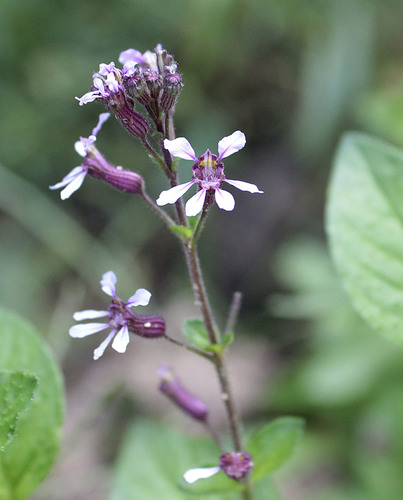
Cuphea racemosa (L.fil.) Spreng.
Cuphea racemosa (L.fil.) Spreng.
Cuphea racemosa (L.fil.) Spreng., a plant with white flowers, is used for diarrhea, bone pain (using crushed and boiled leaves/roots) and ulcers (boiling three buds in two cups of water for nine - morning intake).
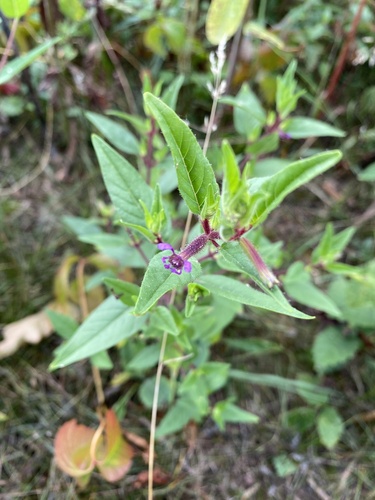
blue waxweed
Cuphea viscosissima Jacq.
Cuphea viscosissima is a sticky-stemmed herbaceous loosestrife native to eastern US that blooms purple-red flowers in late summer.
Start Exploring Nature Today
Download iNature for free. 10 identifications on us. No account needed. No credit card required.