Plants — 23,046 Species
Top Families in Plants
All Plants Species
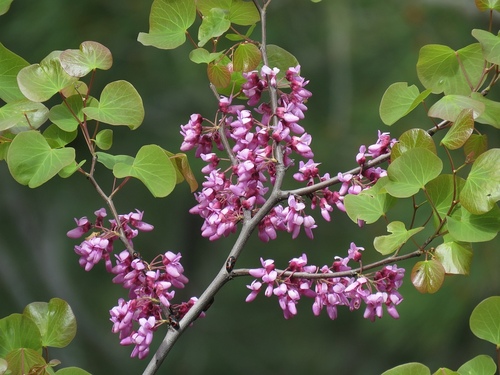
Cercis siliquastrum L.
Cercis siliquastrum L.
Cercis siliquastrum L., the Judas tree, is a small Fabaceae tree with edible flowers, cultivated as an ornamental.

Cercocarpus betuloides Nutt.
Cercocarpus betuloides Nutt.
Cercocarpus betuloides is a rose-family shrub or small tree native to western North America, with traditional uses and ornamental cultivation.
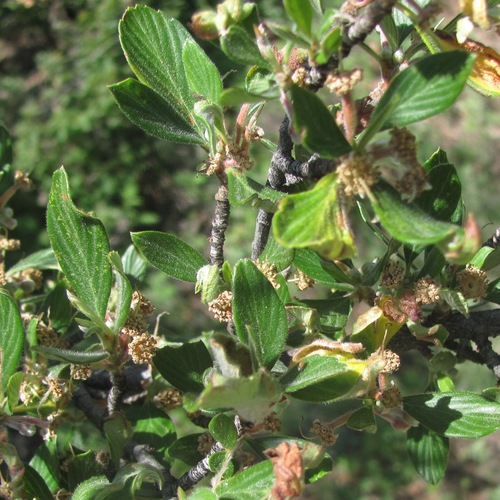
Cercocarpus breviflorus A.Gray
Cercocarpus breviflorus A.Gray
Cercocarpus breviflorus (hairy mountain mahogany) is an evergreen woody plant native to the southwestern US and northern Mexico.
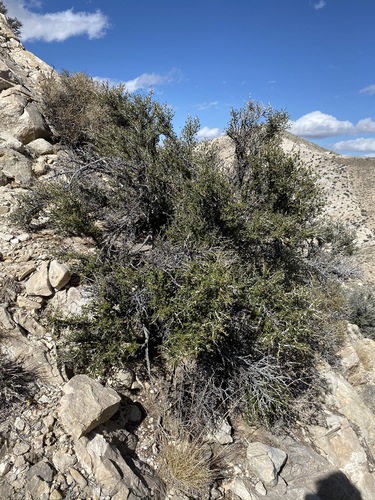
Cercocarpus intricatus S.Watson
Cercocarpus intricatus S.Watson
Cercocarpus intricatus is a small branched evergreen shrub of the US Southwest, traditionally used by the Navajo to make reddish-brown wool dye.
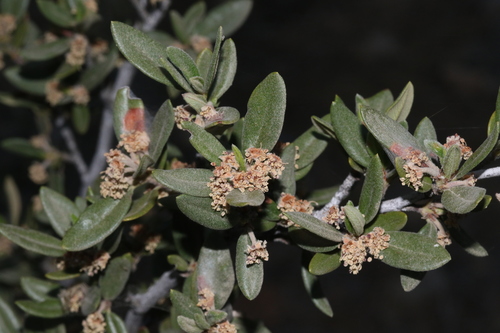
Cercocarpus ledifolius Nutt.
Cercocarpus ledifolius Nutt.
Cercocarpus ledifolius Nutt. is a very long-lived flowering woody plant native to western North America.
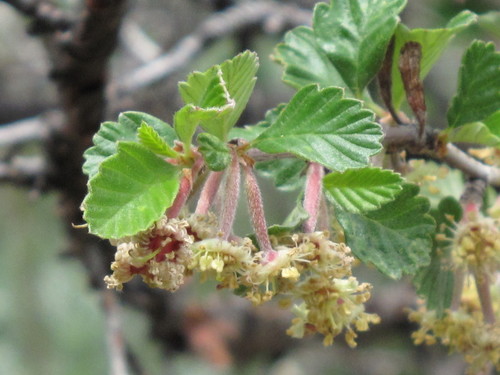
Cercocarpus montanus Raf.
Cercocarpus montanus Raf.
Cercocarpus montanus (alder-leaf mountain-mahogany) is a long-lived North American woody plant grown as a drought-tolerant garden ornamental.
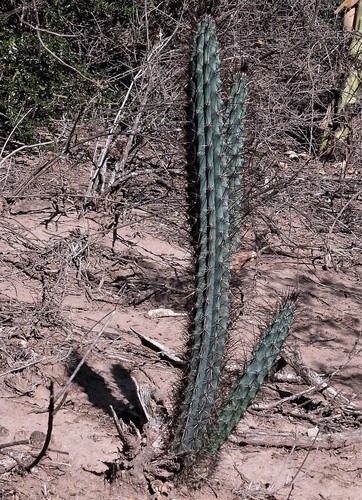
Cereus aethiops Haw.
Cereus aethiops Haw.
Cereus aethiops is a shrubby rarely branched cactus found in Andean foothills of northern and central Argentina.
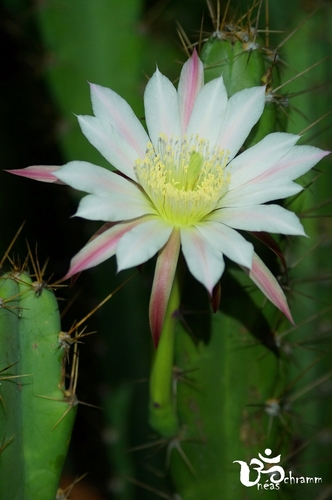
Cereus fernambucensis Lem.
Cereus fernambucensis Lem.
Cereus fernambucensis is a shrubby branching cactus found along the coast of northeastern Brazil.
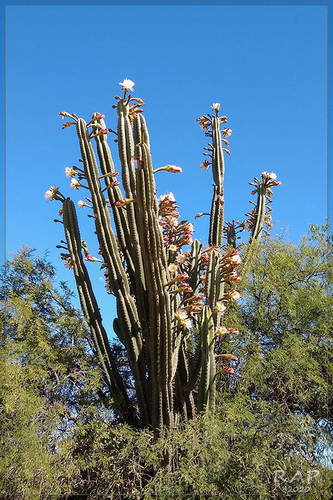
Cereus hildmannianus K.Schum.
Cereus hildmannianus K.Schum.
Cereus hildmannianus is a tree-like usually spineless cactus native to central and southeastern South America, used ornamentally and for its edible fruit.
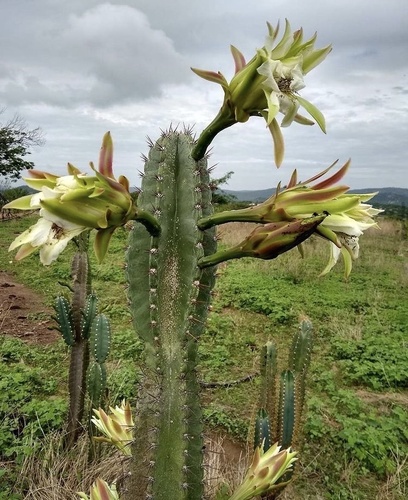
Cereus jamacaru DC.
Cereus jamacaru DC.
Cereus jamacaru DC., also called mandacaru, is a large succulent cactus endemic to Brazil's semi-arid caatinga.
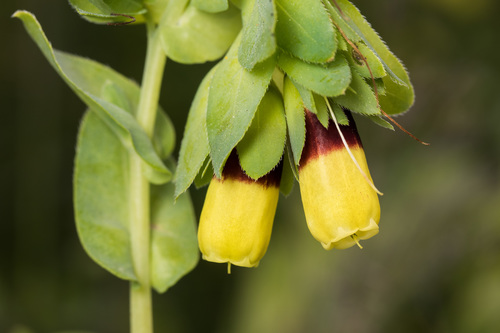
Cerinthe major L.
Cerinthe major L.
Cerinthe major L. is an annual honeywort native to the Mediterranean, introduced to New Zealand, with varied garden cultivars.
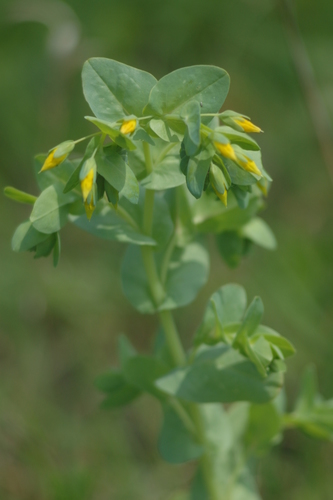
Cerinthe minor L.
Cerinthe minor L.
Cerinthe minor L. is characterized by stem - clasping, entire leaves, paired fruits, acute closed corollas, and deeply five - lobed flowers, and is cited in various botanical works.
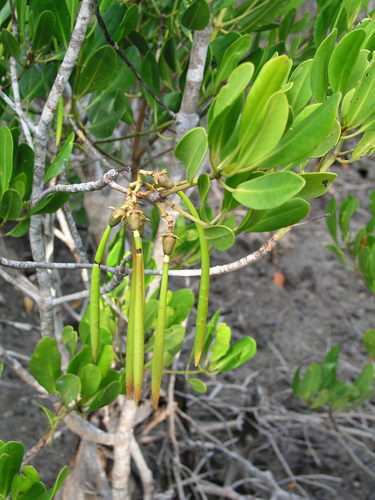
Ceriops australis (C.T.White) Ballment, T.J.Sm. & J.A.Stoddart
Ceriops australis (C.T.White) Ballment, T.J.Sm. & J.A.Stoddart
Ceriops australis is a genetically distinct viviparous northern Australian mangrove, with traditional Indigenous uses.
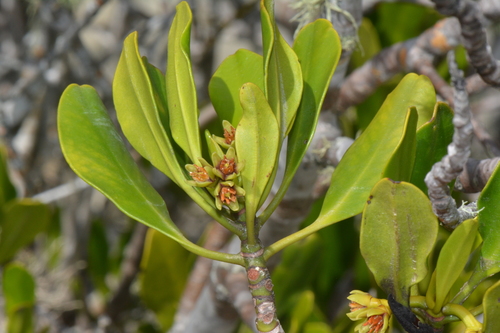
Ceriops tagal (Perr.) C.B.Rob.
Ceriops tagal (Perr.) C.B.Rob.
Ceriops tagal is a medium-sized mangrove tree with ribbed hypocotyls, found in tidal brackish areas, with multiple uses.
Ceropegia gigantea (N.E.Br.) Bruyns
Ceropegia gigantea (N.E.Br.) Bruyns
Ceropegia gigantea, an African rock-dwelling herb, is cultivated ornamentally, invasive in Neotropical arid ecosystems, self - compatible, and attracts flies with a meat - smelling substance for pollination.
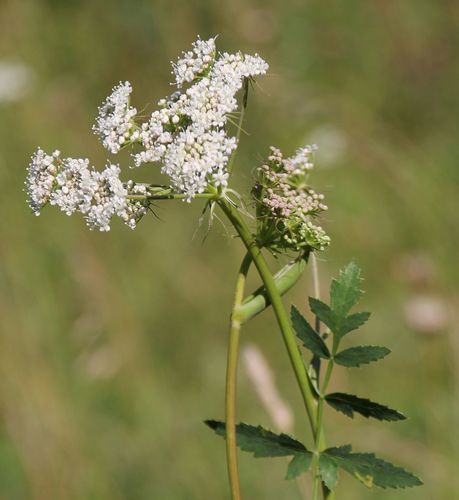
Cervaria rivini Gaertn.
Cervaria rivini Gaertn.
Cervaria rivini Gaertn. is a sub-Mediterranean flowering plant widespread across southern and central Europe.
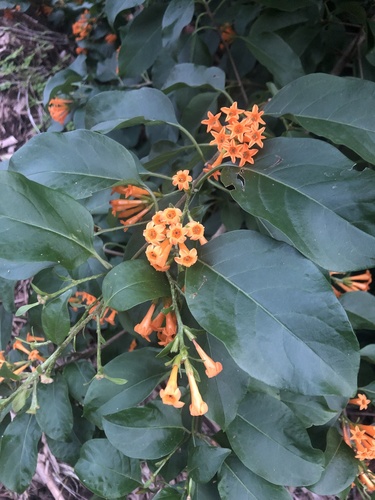
Cestrum aurantiacum Lindl.
Cestrum aurantiacum Lindl.
Cestrum aurantiacum is an ornamental shrub, native to Central America, toxic to animals and invasive in some regions.
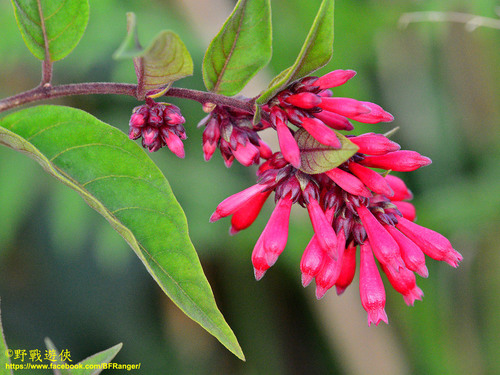
Cestrum elegans (Brongn. ex Neumann) Schltdl.
Cestrum elegans (Brongn. ex Neumann) Schltdl.
Cestrum elegans is a poisonous evergreen ornamental shrub with sweet-scented purplish-red flowers, pollinated by hummingbirds.
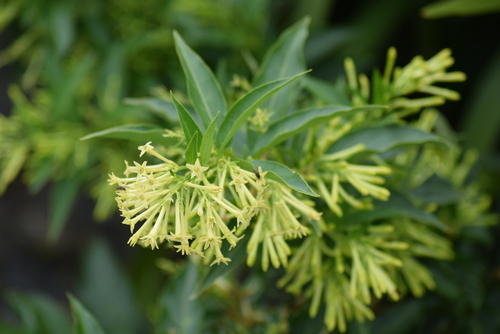
Cestrum nocturnum L.
Cestrum nocturnum L.
Cestrum nocturnum L. is an evergreen fragrant ornamental shrub with recorded potential toxicity to humans and animals.
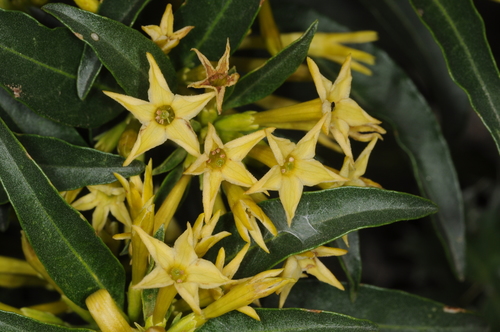
Cestrum parqui (Lam.) L'Hér.
Cestrum parqui (Lam.) L'Hér.
Cestrum parqui is a woody semi-evergreen shrub with toxic alkaloids that has multiple folk medicine uses.
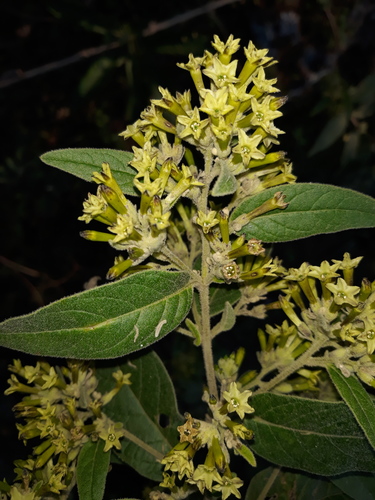
Cestrum tomentosum L.fil.
Cestrum tomentosum L.fil.
Cestrum tomentosum is a poisonous Cestrum species native to Central and South America with fragrant pink flowers and pink berries.
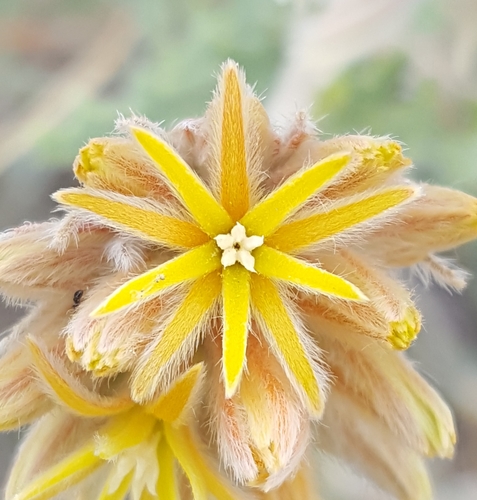
Cevallia sinuata Lag.
Cevallia sinuata Lag.
Cevallia sinuata (stinging serpent) is the only species in genus Cevallia, a Loasaceae flowering plant native to northern Mexico and south-central US.
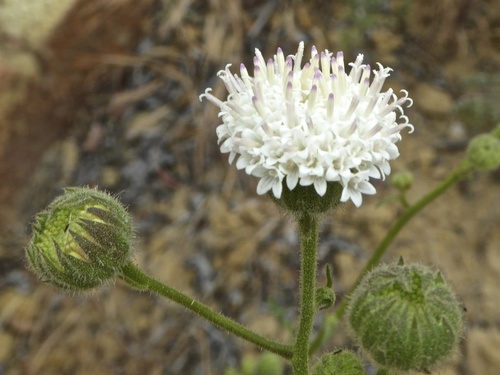
Chaenactis artemisiifolia (Harv. & A.Gray) A.Gray
Chaenactis artemisiifolia (Harv. & A.Gray) A.Gray
Chaenactis artemisiifolia is a robust annual herb with pincushion-like white-to-pink discoid flower heads.
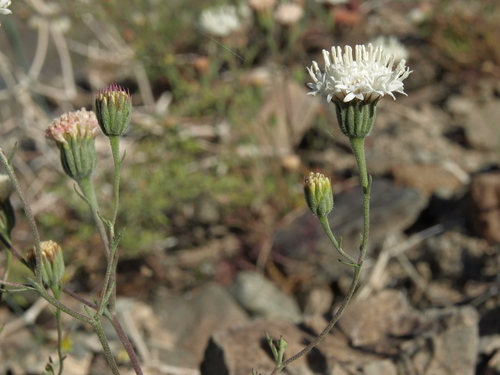
Chaenactis carphoclinia A.Gray
Chaenactis carphoclinia A.Gray
Chaenactis carphoclinia, pebble pincushion, is an annual herb with two varieties, one endemic to southern California’s Santa Rosa Mountains.
Start Exploring Nature Today
Download iNature for free. 10 identifications on us. No account needed. No credit card required.
Download Free on App Store
