Plants — 23,046 Species
Top Families in Plants
All Plants Species
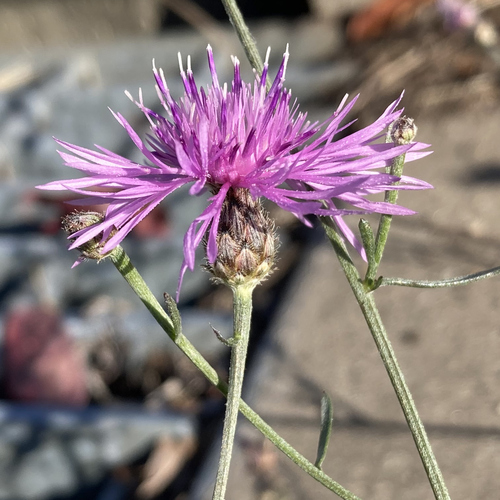
Centaurea stoebe L.
Centaurea stoebe L.
Centaurea stoebe L., or spotted knapweed, is a Eurasian invasive plant in North America with unproven tumor-causing claims.
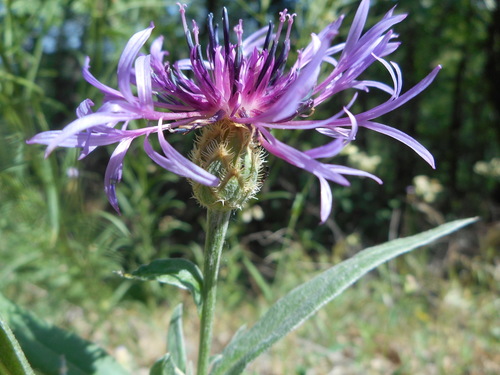
Centaurea triumfettii All.
Centaurea triumfettii All.
Centaurea triumfettii, or squarrose knapweed, is an herbaceous perennial flowering plant found across Eurasia, North America, and Mexico.
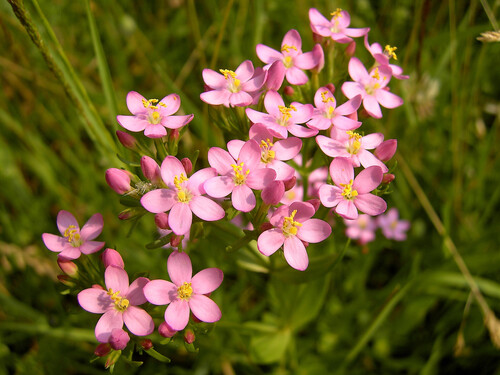
Centaurium erythraea Rafn
Centaurium erythraea Rafn
Centaurium erythraea, common centaury, is an upright biennial herb widespread across Eurasia and northern Africa, naturalized elsewhere, and used for traditional medicine.
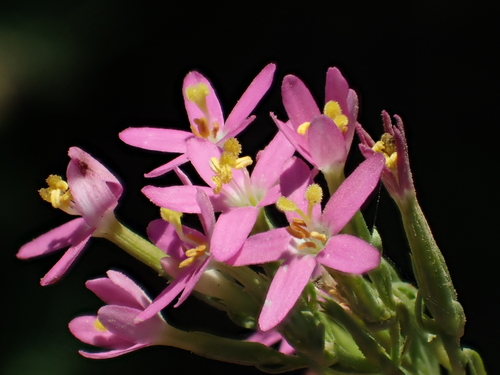
Centaurium pulchellum (Sw.) Druce
Centaurium pulchellum (Sw.) Druce
Centaurium pulchellum, or lesser centaury, is a small annual herb found in southern temperate Europe with pale pink summer flowers.
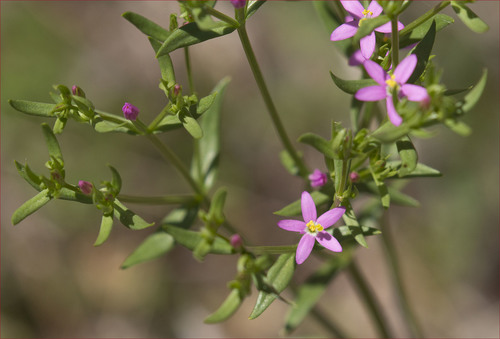
Centaurium tenuiflorum (Hoffmanns. & Link) Fritsch
Centaurium tenuiflorum (Hoffmanns. & Link) Fritsch
Centaurium tenuiflorum, or slender centaury, is a 17 cm tall annual gentian native to regions across Eurasia, Africa, and Macaronesia.
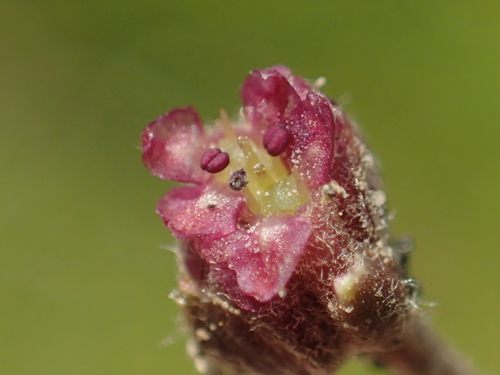
Centella asiatica (L.) Urb.
Centella asiatica (L.) Urb.
Centella asiatica is a creeping wetland plant native to multiple regions, used in traditional medicine and studied for phytoremediation.
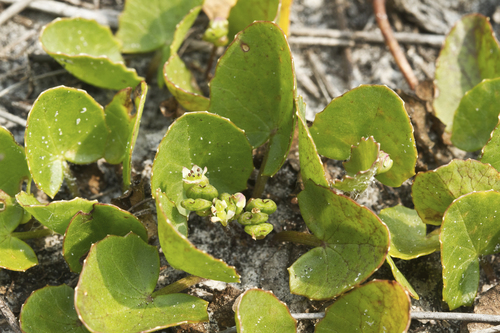
Centella erecta (L.fil.) Fernald
Centella erecta (L.fil.) Fernald
Centella erecta, or erect centella, is a perennial herb in the carrot family found across temperate Americas from New Jersey to Chile.
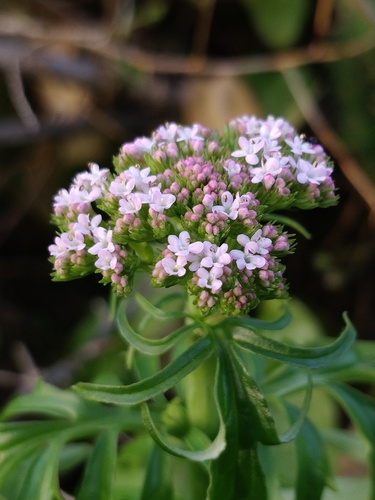
Centranthus calcitrapae (L.) Dufr.
Centranthus calcitrapae (L.) Dufr.
Valeriana calcitrapae is an 18 cm tall annual herb native to Mediterranean and Macaronesian regions.
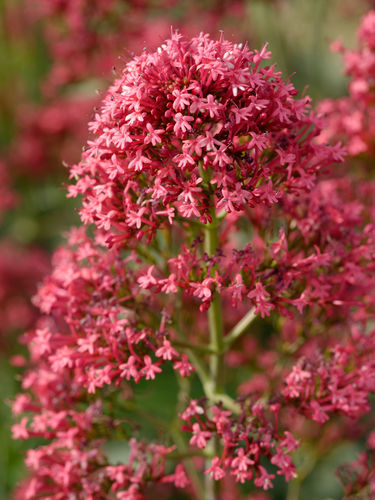
Centranthus ruber (L.) DC.
Centranthus ruber (L.) DC.
Centranthus ruber, also called red valerian, is a perennial Mediterranean herb widely naturalized elsewhere with colorful insect-attracting blooms.
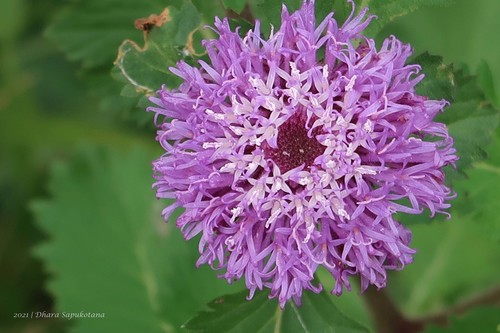
Centratherum punctatum Cass.
Centratherum punctatum Cass.
Centratherum punctatum Cass., commonly called Brazilian bachelor's button, is a flowering plant species in the genus Centratherum.
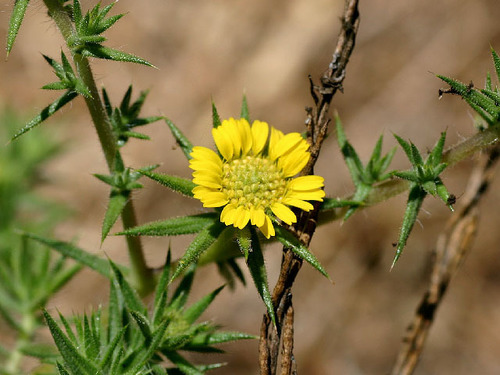
Centromadia parryi (Greene) Greene
Centromadia parryi (Greene) Greene
Centromadia parryi (pappose tarweed) is an Asteraceae herb native to California and northern Baja California with four subspecies.
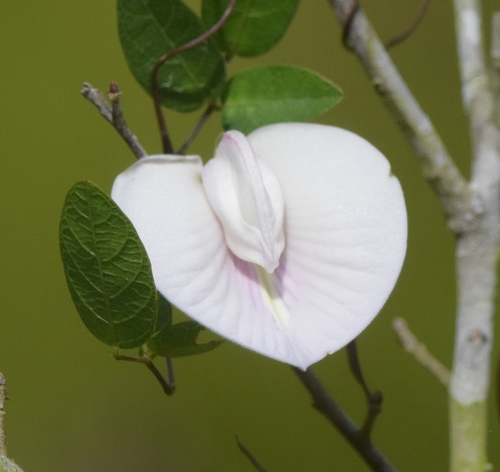
Centrosema arenicola (Small) F.J.Herm.
Centrosema arenicola (Small) F.J.Herm.
Centrosema arenicola is a rare vining flowering plant endemic to central peninsular Florida, USA.
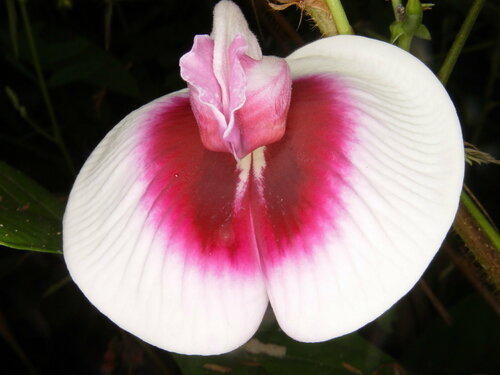
Centrosema plumieri (Turpin ex Pers.) Benth.
Centrosema plumieri (Turpin ex Pers.) Benth.
Centrosema plumieri is native to parts of the Americas including Mexico, Central America, and Brazil, introduced in Tropical Africa, with a selected voucher from Piedade in 2007 (Araújo et al. 520, UFP).
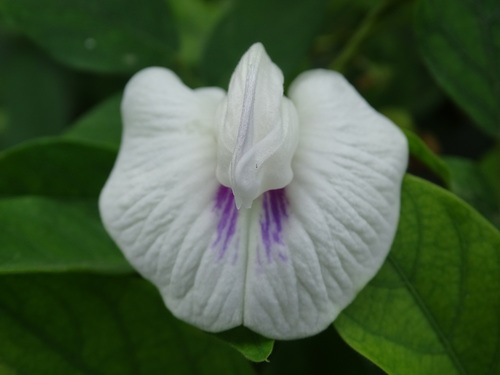
Centrosema pubescens Benth.
Centrosema pubescens Benth.
Centrosema pubescens Benth. is a tropical perennial herb widely used as protein-rich forage for livestock.
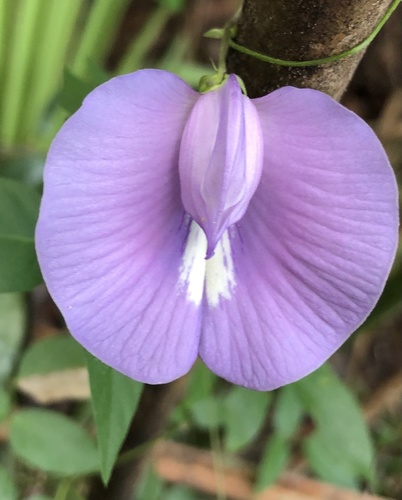
Centrosema virginianum (L.) Benth.
Centrosema virginianum (L.) Benth.
Centrosema virginianum is a nitrogen-fixing perennial vine native to the Americas, naturalized in tropical West Africa.
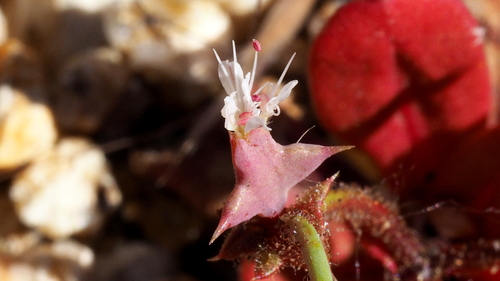
Centrostegia thurberi A.Gray ex Benth.
Centrostegia thurberi A.Gray ex Benth.
Centrostegia thurberi is the only species of the monotypic Polygonaceae genus Centrostegia, a small red native herb of the southwestern US and northwestern Mexico.
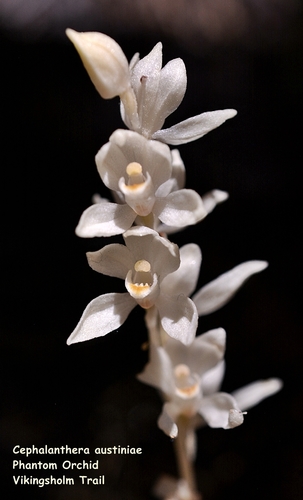
Cephalanthera austiniae (A.Gray) A.Heller
Cephalanthera austiniae (A.Gray) A.Heller
Cephalanthera austiniae is a mycoheterotrophic orchid that gets energy and nutrients from ectomycorrhizal fungi instead of photosynthesis.
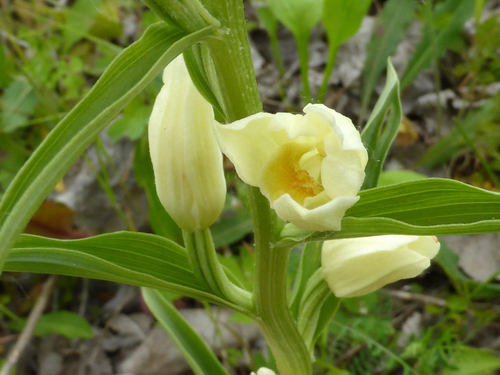
Cephalanthera damasonium (Mill.) Druce
Cephalanthera damasonium (Mill.) Druce
Cephalanthera damasonium is a self-pollinating perennial orchid that grows in shaded European and Asian forests.
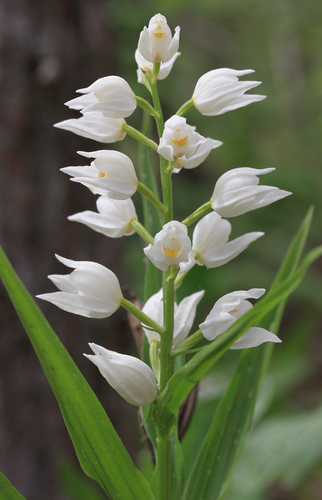
Cephalanthera longifolia (L.) Fritsch
Cephalanthera longifolia (L.) Fritsch
Cephalanthera longifolia, sword-leaved helleborine, is a European orchid that is declining and protected in many northern regions.
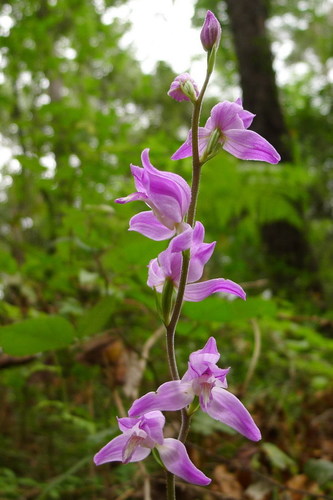
Cephalanthera rubra (L.) Rich.
Cephalanthera rubra (L.) Rich.
Cephalanthera rubra, the red helleborine, is a rare European orchid that mimics another wildflower to improve pollination.
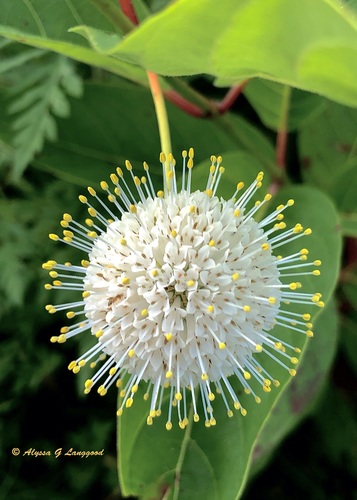
Cephalanthus occidentalis L.
Cephalanthus occidentalis L.
Cephalanthus occidentalis, or buttonbush, is a North American deciduous shrub/small tree of wetlands, used ornamentally and historically medicinally.
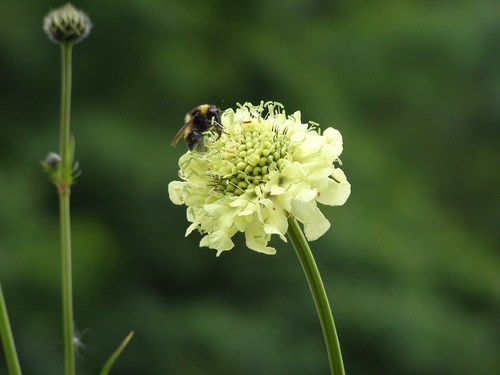
Cephalaria gigantea (Ledeb.) Bobrov
Cephalaria gigantea (Ledeb.) Bobrov
Cephalaria gigantea is an ornamental flowering perennial native to the Caucasus and Turkey, grown for its pale yellow summer blooms.
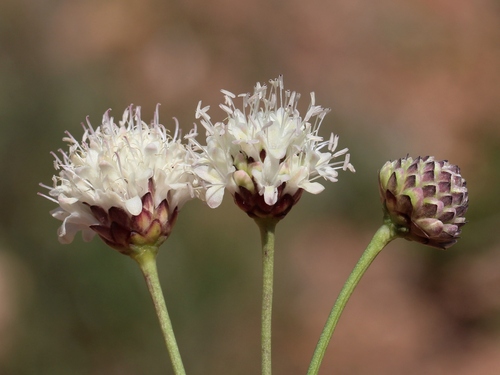
Cephalaria leucantha (L.) Schrad.
Cephalaria leucantha (L.) Schrad.
Cephalaria leucantha is a hardy flowering perennial that grows up to 150 cm, native to northern Africa and southern Europe.
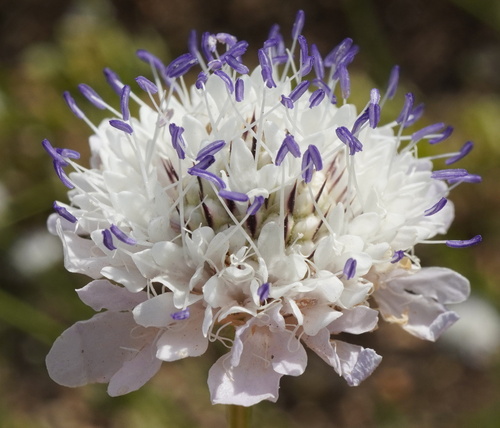
Cephalaria transsylvanica (L.) Schrad. ex Roem. & Schult.
Cephalaria transsylvanica (L.) Schrad. ex Roem. & Schult.
The original material of Cephalaria transsylvanica (L.) Schrad. ex Roem. & Schult. includes herbarium specimens Herb. Linn. No. 120.4 (LINN) and No. 51.16 (S), and illustrations from Hermann (1687) and Morison (1699).
Start Exploring Nature Today
Download iNature for free. 10 identifications on us. No account needed. No credit card required.
Download Free on App Store
