Plants — 23,046 Species
Top Families in Plants
All Plants Species
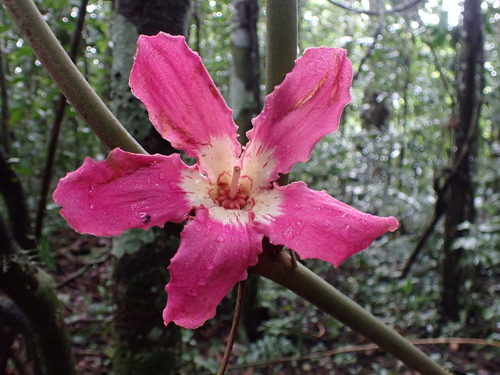
Ceiba speciosa (A.St.-Hil., A.Juss. & Cambess.) Ravenna
Ceiba speciosa (A.St.-Hil., A.Juss. & Cambess.) Ravenna
Ceiba speciosa, the floss silk tree, is a drought-tolerant ornamental tree native to South America with multiple practical uses.
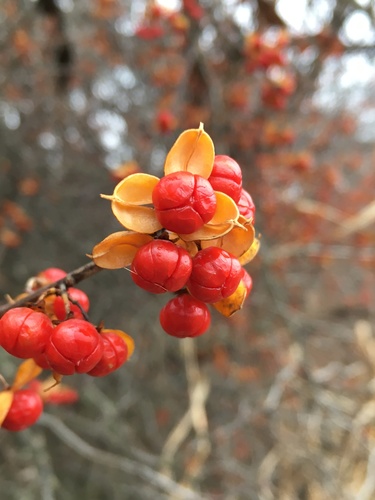
Celastrus orbiculatus Thunb.
Celastrus orbiculatus Thunb.
Celastrus orbiculatus is a deciduous poisonous vine, naturalized in eastern North America, grown as an ornamental with uses for weaving and cordage.
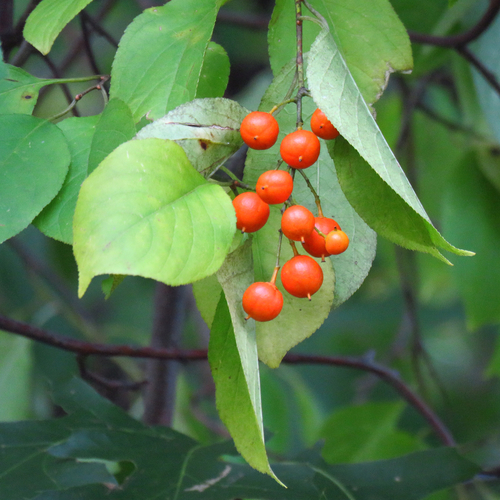
Celastrus scandens L.
Celastrus scandens L.
Celastrus scandens L. is a poisonous perennial vine with historical medicinal uses that is also grown decoratively.
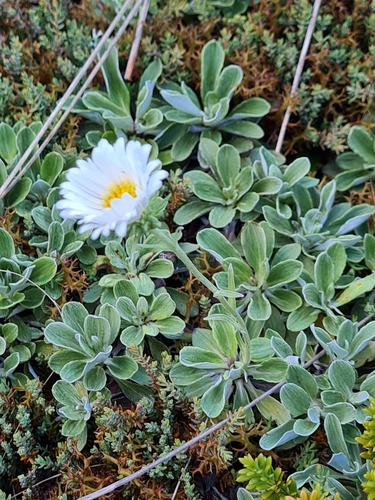
Celmisia discolor Hook.fil.
Celmisia discolor Hook.fil.
Celmisia discolor Hook.fil. is a white-flowered perennial native to South Island, New Zealand alpine and subalpine habitats.
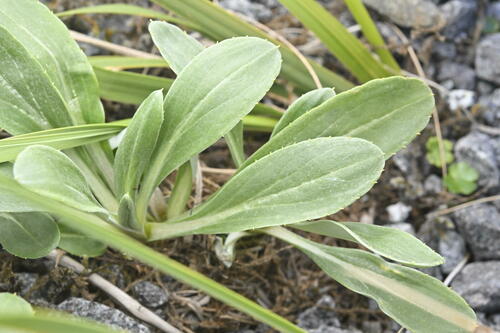
Celmisia durietzii Cockayne & Allan
Celmisia durietzii Cockayne & Allan
Celmisia durietzii is a low New Zealand perennial flowering plant confirmed to grow in the South Island from Marlborough to Fiordland.
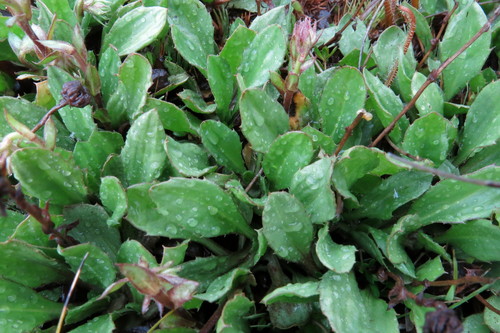
Celmisia glandulosa Hook.fil.
Celmisia glandulosa Hook.fil.
The type of Celmisia glandulosa Hook.fil. is from the Northern [North] Island of New Zealand at the foot of Tongariro, with lectotype K 882070 and isolectotype WELT SP 24131, lectotype designated by Allan in 1961.
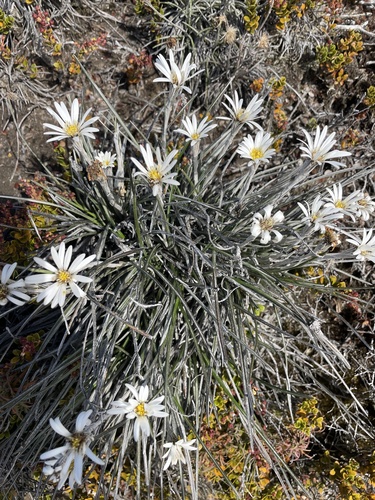
Celmisia gracilenta Hook.fil.
Celmisia gracilenta Hook.fil.
Celmisia gracilenta, the common mountain daisy, is an endemic New Zealand alpine herb with slender grass-like leaves and white flowers.
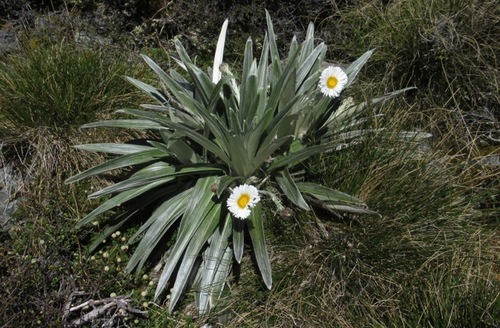
Celmisia semicordata Petrie
Celmisia semicordata Petrie
Celmisia semicordata Petrie is a small New Zealand South Island plant with white flowers and green-gray leaves, found from coastal to alpine areas.
Celmisia sessiliflora Hook.fil.
Celmisia sessiliflora Hook.fil.
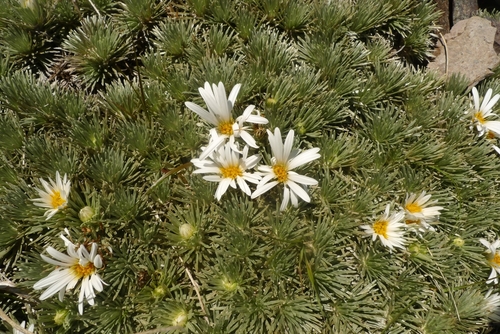
Celmisia sessiliflora Hook.fil. is a low white-flowered sessile plant found only in New Zealand’s South Island alpine and subalpine areas.

Celmisia spectabilis Hook.fil.
Celmisia spectabilis Hook.fil.
Celmisia spectabilis is a robust New Zealand alpine daisy with leathery felt-backed leaves and showy white-yellow flower heads.
Celosia argentea L.
Celosia argentea L.
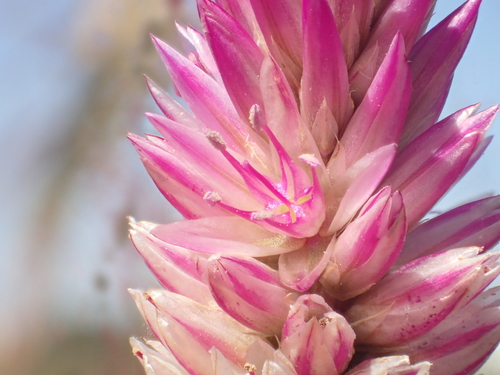
Celosia argentea L. is an ornamental and edible plant cultivated worldwide, with uses in agriculture, soap making, and skincare.
Celtis africana Burm.fil.
Celtis africana Burm.fil.
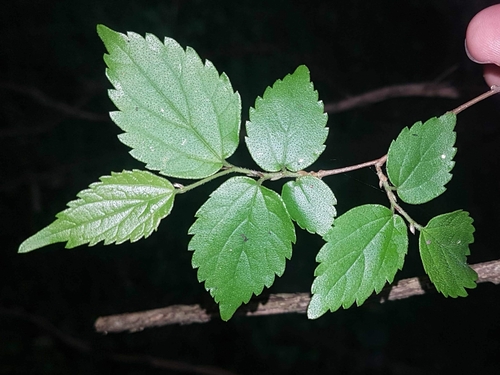
Celtis africana (white stinkwood) is a deciduous African tree popular for bird-friendly gardens.
Celtis australis L.
Celtis australis L.
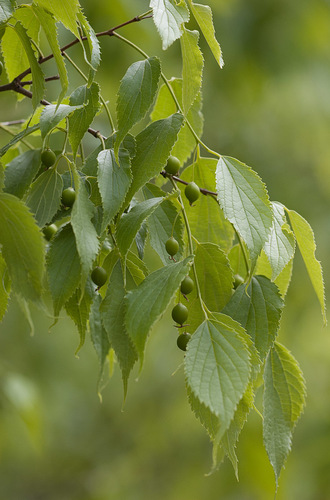
Celtis australis L. is a hardy deciduous tree with edible fruit, ornamental value, and multiple medicinal and practical uses.
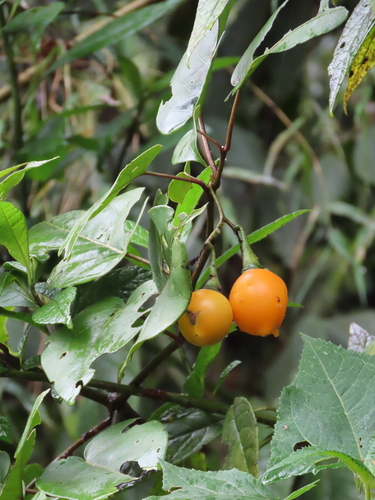
Celtis iguanaea (Jacq.) Sarg.
Celtis iguanaea (Jacq.) Sarg.
Iguana hackberry (Celtis iguanaea) is a deciduous tree in genus Celtis found across parts of the Americas and Caribbean.
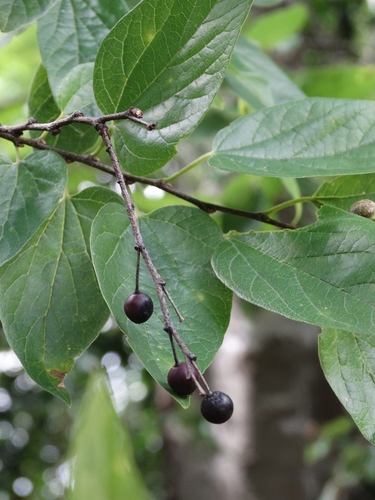
Celtis laevigata Willd.
Celtis laevigata Willd.
Celtis laevigata, commonly sugarberry, is a medium North American native tree used for lumber and as a landscape shade tree.
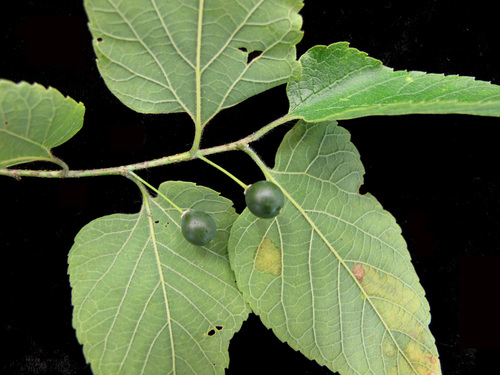
Celtis occidentalis L.
Celtis occidentalis L.
Common hackberry (Celtis occidentalis L.) is a North American native medium tree with distinctive bark, edible berries, and urban tolerance.
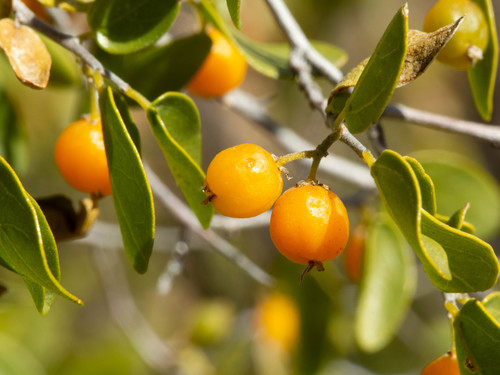
Celtis pallida Torr.
Celtis pallida Torr.
Celtis ehrenbergiana (formerly often called C. pallida) is a thorny dry-habitat hackberry native to the south-central US and Latin America.
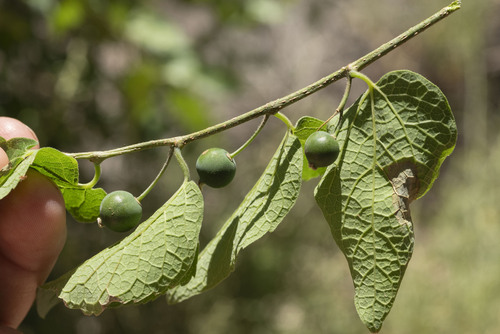
Celtis reticulata Torr.
Celtis reticulata Torr.
Celtis reticulata is a small North American hackberry tree with edible berries used by Native Americans and wildlife.
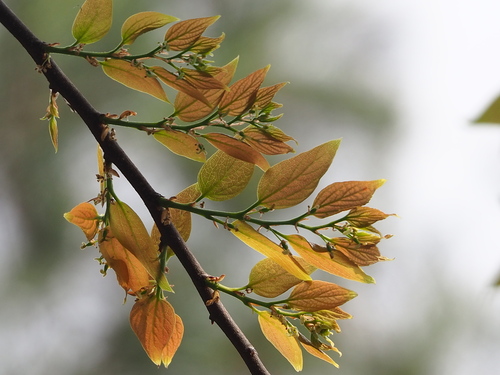
Celtis sinensis Pers.
Celtis sinensis Pers.
Celtis sinensis Pers. is a deciduous tree native to East Asia, used in medicine and gardening, and weedy in parts of eastern Australia.
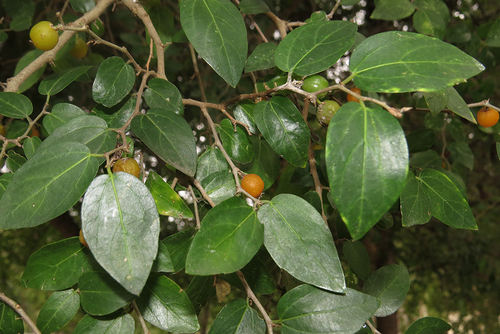
Celtis tala Gillies ex Planch.
Celtis tala Gillies ex Planch.
Celtis tala is a variable-sized tree with spiny zigzag branches, spring flowers, and small sweet edible drupes.
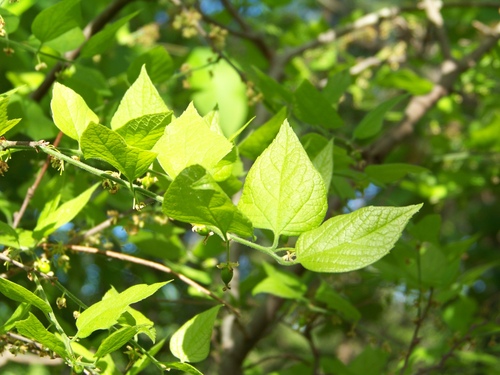
Celtis tenuifolia Nutt.
Celtis tenuifolia Nutt.
Celtis tenuifolia Nutt., commonly dwarf hackberry, is a small slow-growing hackberry with edible fruit eaten by wildlife
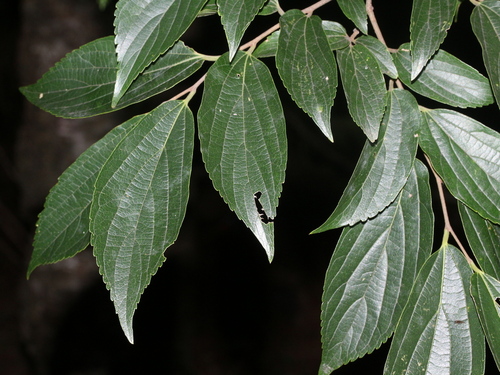
Celtis tetrandra Roxb.
Celtis tetrandra Roxb.
Celtis tetrandra, the Nilgiri elm, is a flowering hackberry species found across South and East Asia, occasionally available commercially.
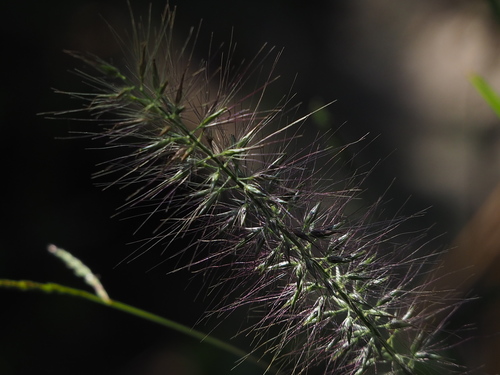
Cenchrus alopecuroides (L.) Thunb.
Cenchrus alopecuroides (L.) Thunb.
Cenchrus alopecuroides, commonly called fountain grass, is a warm-season ornamental grass with many cultivated varieties for horticulture.

Cenchrus ciliaris L.
Cenchrus ciliaris L.
Cenchrus ciliaris (African foxtail grass) is a perennial forage grass native to Africa, the Mediterranean, and dry Asia, often invasive elsewhere.
Start Exploring Nature Today
Download iNature for free. 10 identifications on us. No account needed. No credit card required.
Download Free on App Store
