About Kaempferia rotunda L.
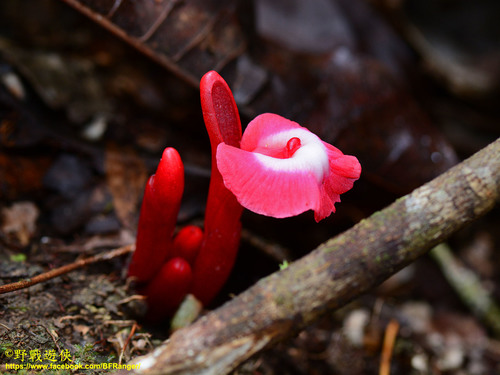
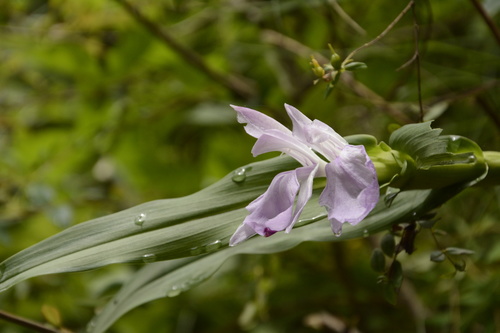
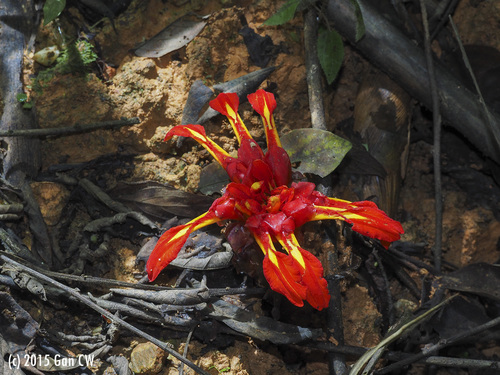
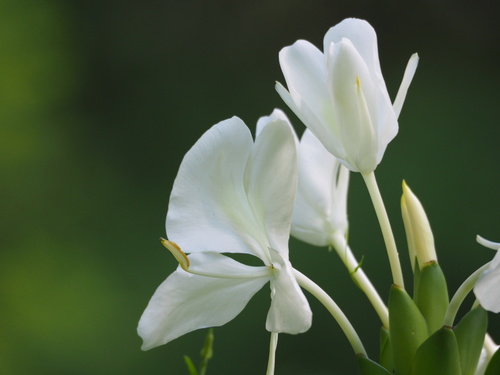
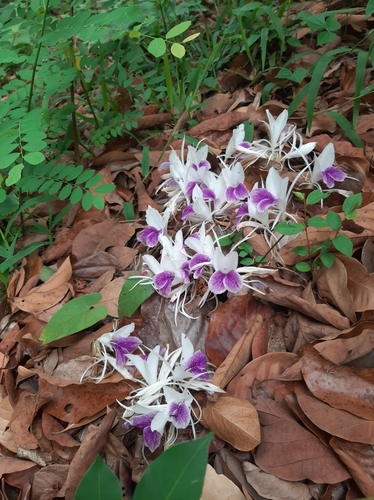
Kaempferia rotunda, commonly known as Asian ginger, is a flowering plant species in the ginger family. It is native to China (Guangdong, Guangxi, Hainan, Taiwan, Yunnan), the Indian subcontinent (including Assam, Nepal, and Bangladesh), and Indochina, and is widely cultivated in other regions. It has been reported to be naturalized in Java, Malaysia, and Costa Rica. This species has many common names, including bhumi champa, Indian crocus, peacock ginger, and round-rooted galangale. Kaempferia rotunda occurs across various parts of India and adjacent regions, but is rarely found growing in the wild. It is cultivated in small herbal nurseries to supply material for medicine preparation. As its Sanskrit name bhumi champa, which translates to "bloom from within earth", indicates, its indigo-colored flower shoots emerge directly from the soil. Flowers actually emerge long before the whitish leafy shoots develop, and flowers and leaves are never visible on the plant at the same time. The flower contains the compound benzyl benzoate, which is used to produce ointments that treat scabies. Kaempferia rotunda has been reported to have potential antioxidant effects.