About Juglans neotropica Diels
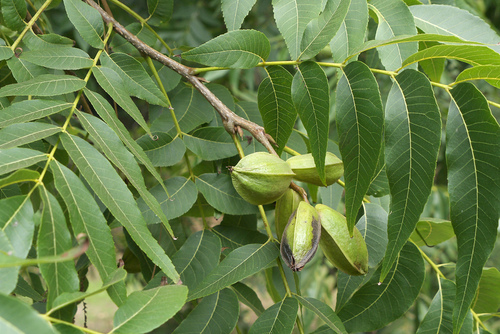
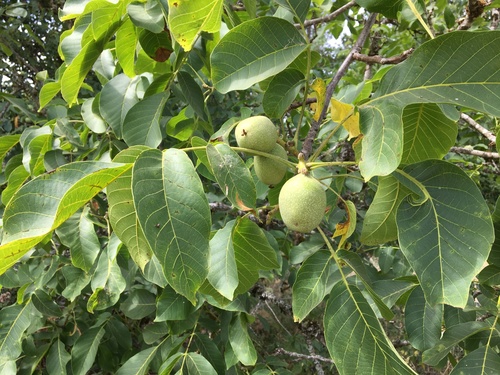
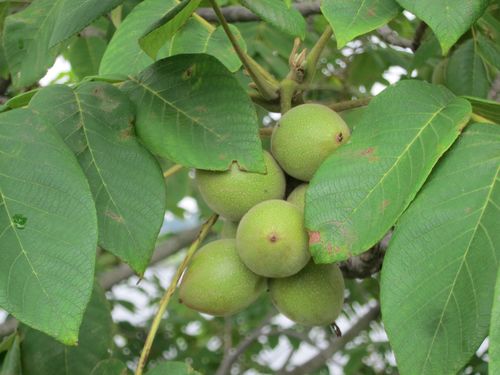
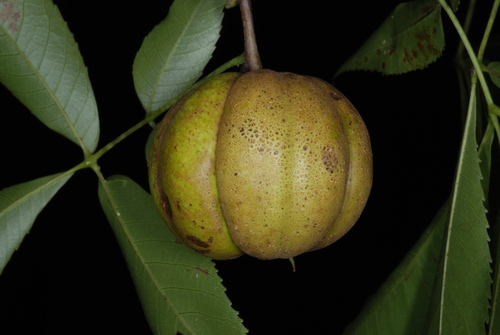
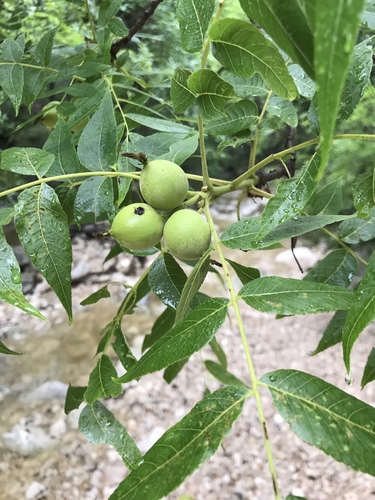
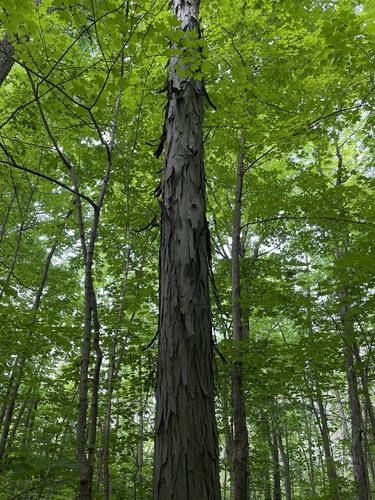
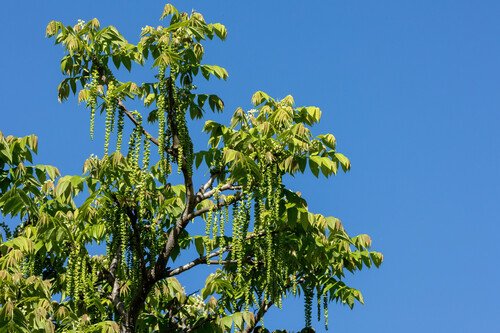
Juglans neotropica Diels is a plant species in the Juglandaceae family. It is found in Colombia, Ecuador, and Peru, and is currently threatened by habitat loss. Its common names include Colombian walnut, Ecuadorian walnut, Andean walnut, nogal, cedro negro, cedro nogal, and nogal Bogotano. This species is a slow-growing tree that can reach up to 40 meters (130 ft) in height. It has grooved red-brown bark and an oval-shaped canopy. Like all members of the Juglans genus, it produces compound leaves that are roughly 40 cm (16 in) long, grouped at the ends of branches, and have serrated edges. Juglans neotropica prefers loose-textured, fertile soils, and grows well in somewhat muddy conditions. Neutral to slightly acidic soils are ideal; the tree cannot tolerate calcareous soils or very acidic conditions. This species grows naturally at elevations between 1,600 and 2,500 meters (5,200 and 8,200 ft), in biomes with an average annual temperature between 16 and 22 °C (61 and 72 °F), and evenly distributed annual precipitation between 1 and 3 meters (39 and 118 in). It grows especially well when planted near running water, and occurs naturally across a wide range of Pre-Montane and Montane forests, growing most abundantly in cloud forests. This species is propagated by seed. Nuts are scarified with sandpaper, then planted in moist sand for four months at a temperature of 2 to 4 °C (36 to 39 °F). Natural germination times for the species have not been well studied, though new trees are observed to grow where nuts fall and become buried under leaf litter. Like most walnuts, Juglans neotropica is allelopathic, and its presence can kill some understory plants. It is a common host for Anthuriums and Philodendrons, which do not appear to be affected by this allelopathy.