About Ixodes scapularis Say, 1821
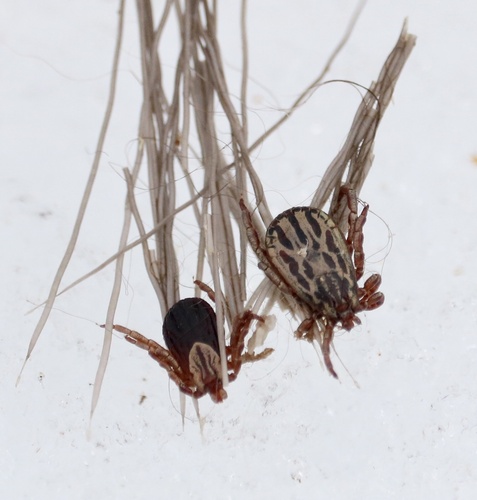
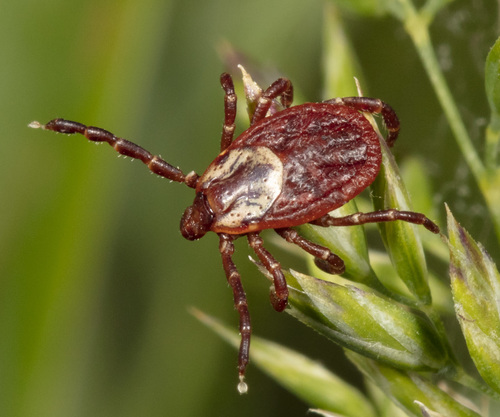
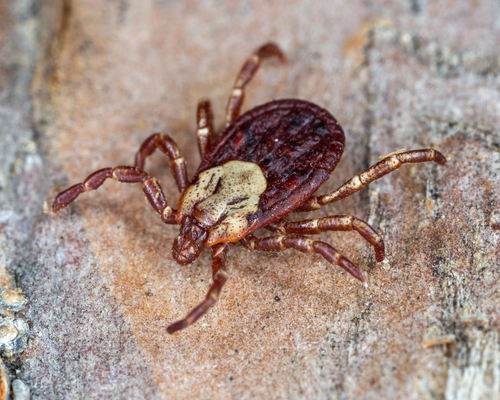
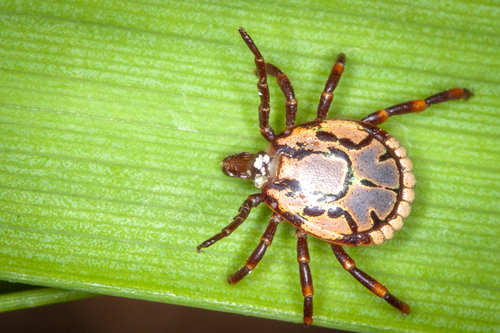
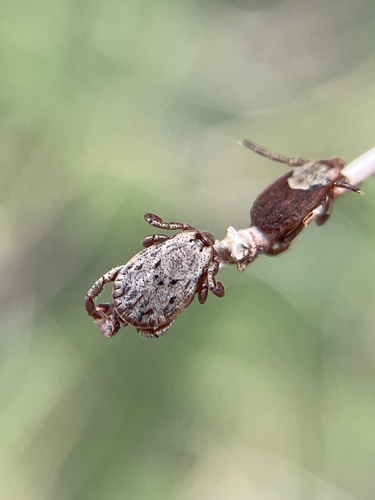
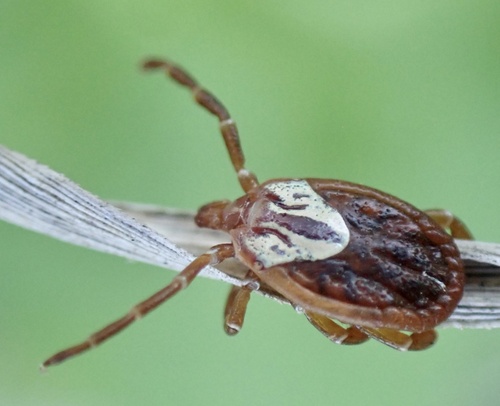
This species Ixodes scapularis Say, 1821 shows the following morphological features: nymphs and adults have eight legs, while larvae only have six legs. Unlike ticks from other genera, deer ticks do not possess eyes. The scutum is dark, inornate (plain); in unfed females, this dark scutum contrasts with the exposed orange or red remainder of the idiosoma. No festoons are present. As with other Ixodes ticks, this species has a horseshoe-shaped anal groove on the underside, located anterior to the anal pore. The palps, which are a part of the mouthparts or capitulum, are shorter in male deer ticks than they are in female deer ticks. Adult female deer ticks are approximately 3 to 4 mm long when unfed, and can engorge while feeding. Adult males are 2 to 3 mm long when unfed, and cannot engorge, because their rigid scutum covers the entire male body. Warming trends attributed to climate change are pushing the distribution of Ixodes scapularis to higher latitudes in Europe, Canada, and the northeastern United States, and extending existing populations in central regions of the United States.