About Ichthyomyzon gagei Hubbs & Trautman, 1937
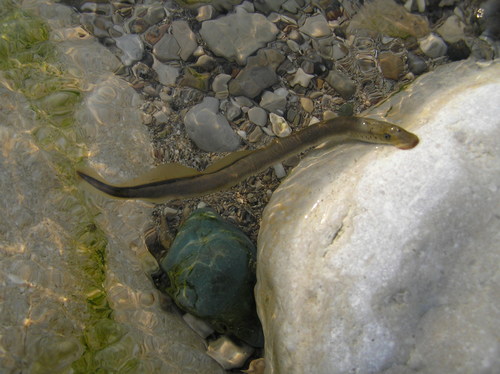
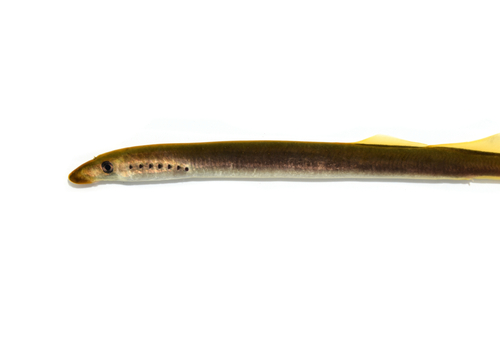
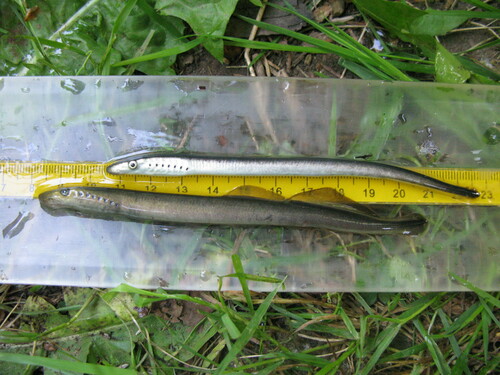
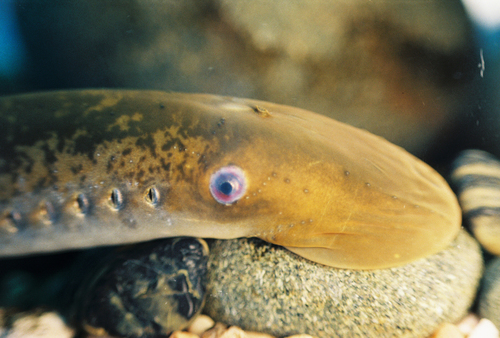
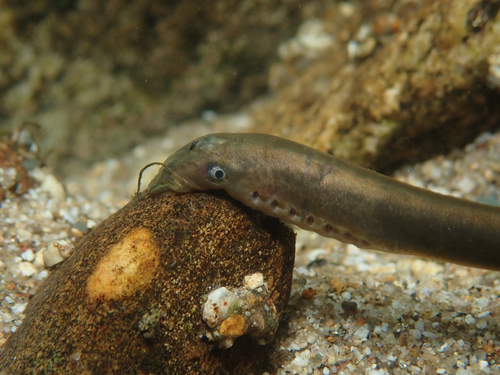
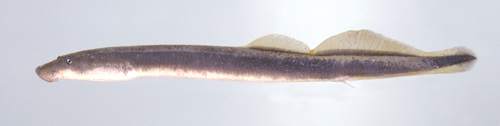
The southern brook lamprey, scientifically named Ichthyomyzon gagei, is a jawless fish native to the Southern United States. It has a sucking mouth at one end, similar to a leech, and resembles a small eel in appearance, rarely growing longer than one foot. This species inhabits slow-moving rivers and streams along the Gulf Coast, ranging from Florida west to Oklahoma and Texas, and as far north as Minnesota and Wisconsin. Confirmed and reported occurrences include the Chattahoochee and Conecuh River systems in Alabama; the Sabine River system spanning Texas and Louisiana; the Illinois River system in Oklahoma; the Neches River system in Texas; the Spruce River and Tamarac River in Wisconsin and Minnesota. Unpublished records add additional inhabited locations: tributaries of Choctawhatchee Bay and the Ochlockonee River system in Florida; the Chattahoochee River system in Georgia; and the Trinity and San Jacinto River systems in Texas. Originally thought to be restricted only to the southern United States, Becker documented the species in Wisconsin in 1983. The diet of the southern brook lamprey changes with metamorphosis across its life cycle. Larval southern brook lampreys feed mainly on organic detritus. Studies on the closely related species I. fossor found that larval lamprey guts contained 97.9% organic detritus, 2.12% algae, and 0.09% bacteria. After metamorphosing into adults, southern brook lampreys do not feed, and instead rely on fat reserves stored during the larval stage for energy and nutrients. As larvae transition to the adult stage, the digestive tract actually shrinks and becomes functionally useless. A wide range of predators target southern brook lampreys at different life stages: various fish and crayfish prey on their eggs; a wide range of fish and bird species prey on larval individuals; and adult individuals are preyed on by larger fish including Northern pike (E. lucius), perch species, European chub (S. cephalus), and mudpuppy (N. maculosus). The southern brook lamprey shares habitats and resources with many other fish species, including shiners of the genus Notropis, longnose dace (Rhinichthys cataractae), Johnny darters (Etheostoma nigrum), and mottled sculpins (Cottus bairdi).