About Hypsipetes leucocephalus (Gmelin, 1789)
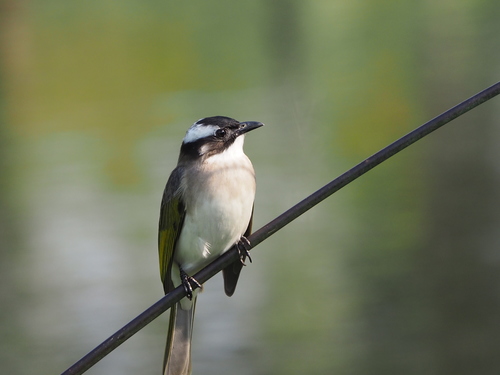
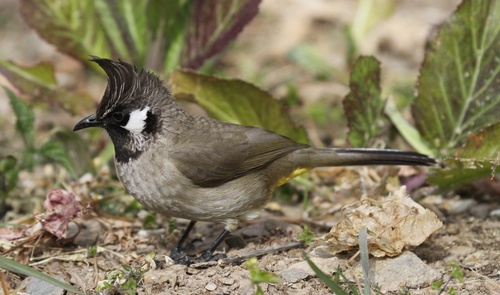
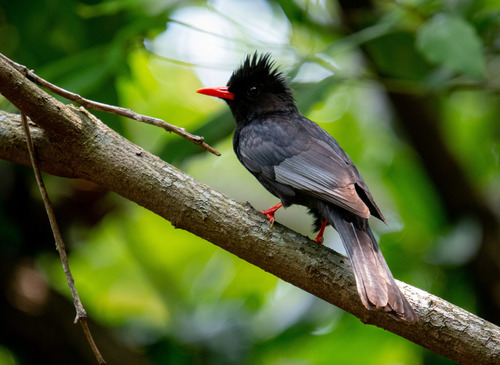
The black bulbul, scientifically named Hypsipletes leucocephalus (Gmelin, 1789), measures 24–25 cm (9.4–9.8 in) long and has a long tail. Its body plumage ranges from slate grey to glossy black, with variation depending on the subspecies race. The beak, legs, and feet are all orange, and adult birds have a black fluffy crest on the head. Males and females have similar visible plumage. Young birds lack the crest, have whitish underparts with a grey breast band, and show a brown tint on their upperparts. Both juveniles and adults have a black streak behind the eye and on the ear coverts. While male and female black bulbuls look identical to the human eye, their plumage differs significantly in ultraviolet reflectivity, so the birds can easily tell one another apart. This bulbul species lives in broad-leaved forests, cultivated areas, and gardens, mostly in hilly regions. Himalayan populations of the black bulbul sometimes move down to the adjacent plains during the winter. Black bulbuls feed mainly on seeds and insects, and they are most often found in small groups while roosting or searching for food. They are especially fond of berries, and are known to eat a wide range of berry types including Celtis, Rosa, Melia, and Ehretia in the Himalayas. They also feed on the nectar of Salmalia, Erythrina, Rhododendron, and other plant species, and they catch flying insects by making aerial sallies.