About Hypophthalmichthys molitrix (Valenciennes, 1844)
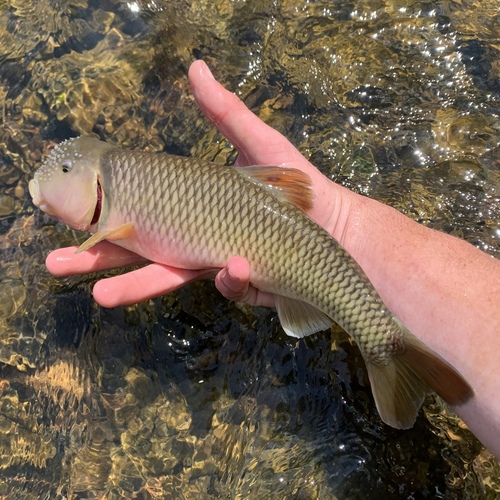
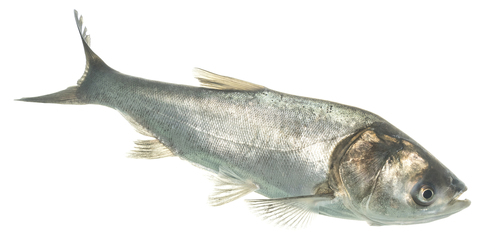
Hypophthalmichthys molitrix, commonly known as silver carp or silverfin, is a species of freshwater cyprinid fish, and a type of Asian carp. It is native to China and eastern Siberia, ranging from the Amur River drainage in the north to the Xi Jiang River drainage in the south. Though it is a threatened species in its natural habitat, it has long been cultivated in China as one of the "four famous domestic fish", alongside bighead carp, black carp, and grass carp. By weight, global aquaculture production of silver carp is higher than that of any other fish species except grass carp. Silver carp are typically farmed in polyculture systems with other Asian carp, and sometimes with catla or other fish species. The species has been introduced or spread via connected waterways to at least 88 countries worldwide. Most introductions were for aquaculture use, though it was also occasionally imported to enhance wild fisheries and control water quality. In some introduced regions, it is considered an invasive species. Silver carp typically reaches 60 to 100 cm (24 to 39 in) in length, with a recorded maximum length of 140 cm (55 in) and maximum weight of 50 kg (110 lb). In its natural range, silver carp migrates upstream to spawn. After spawning, eggs and larvae drift downstream, and young fish hatch in the floodplain zone. Larvae and small juveniles feed on zooplankton, and switch to feeding on phytoplankton once they reach a certain size. The species is moderately sensitive to low oxygen conditions. In its native range, Hypophthalmichthys molitrix is currently classified as near threatened. Dam construction, pollution, and overfishing impact its habitat and reproductive behavior. Population declines have been especially marked in the Chinese portions of its native range.