About Hypena humuli Harris, 1841
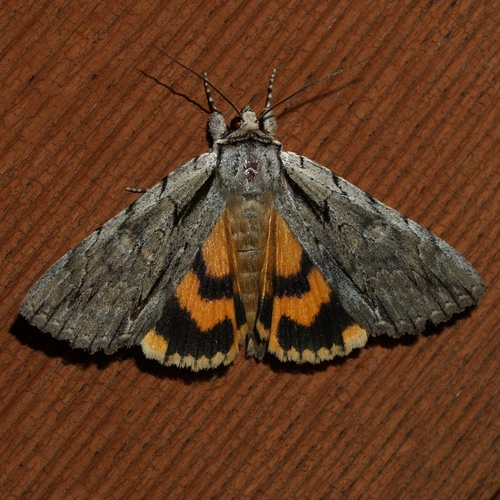
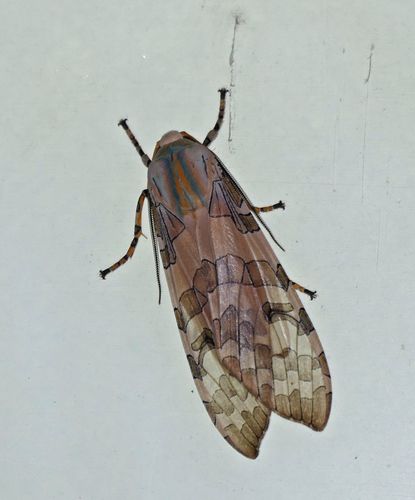
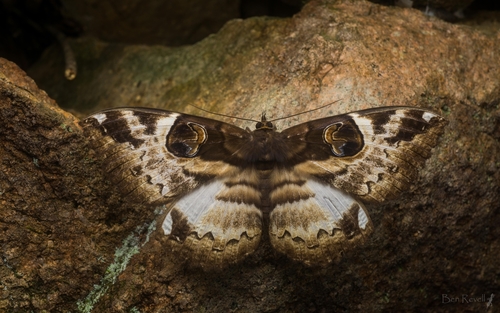
Hypena humuli, commonly called the hop looper or hop vine moth, is a moth species belonging to the family Erebidae. This species was first formally described by Thaddeus William Harris in 1841. This moth is distributed across Canada from coast to coast. In the United States, its range extends south to Florida and Arkansas in the east, and to California in the west. It is apparently not present in the south-central states of the US. Within Canada, it is only absent from Newfoundland and Labrador, Prince Edward Island, and the far northern regions of the country. The wingspan of adult Hypena humuli measures 25 to 32 mm. Adults can be found flying year round in the southern and western parts of the species' range. In the northeast, adults fly from April to November. Across most of the northern eastern portion of its range, this species produces two generations per year. The larva of this species, often called the hop worm, reaches roughly one inch in length when fully grown. It is greenish-white in color, has a watery, semi-transparent appearance, and bears faint striping and small dots. The larva has fourteen legs, with a yellowish mouth region and black-tipped jaws. Larvae are active from early June through late August. They feed on plants including Laportea species, hop, nettle, and wood nettle.