About Howea forsteriana (F.Muell.) Becc.
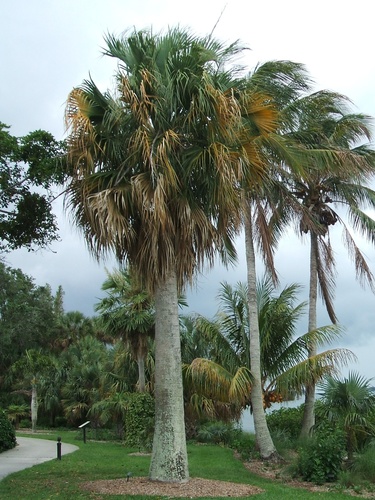
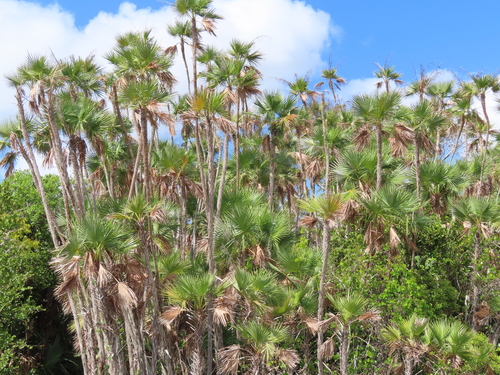
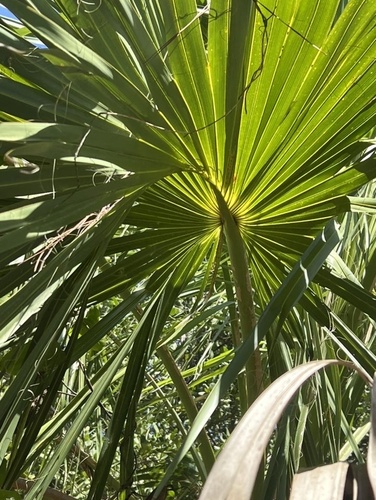
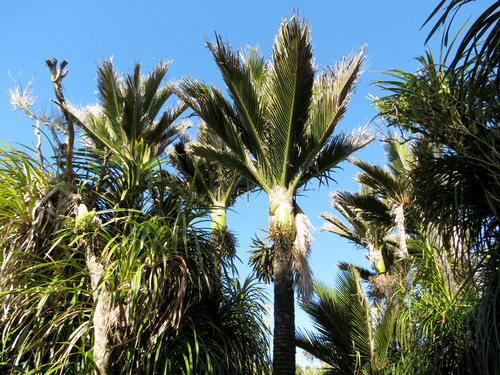
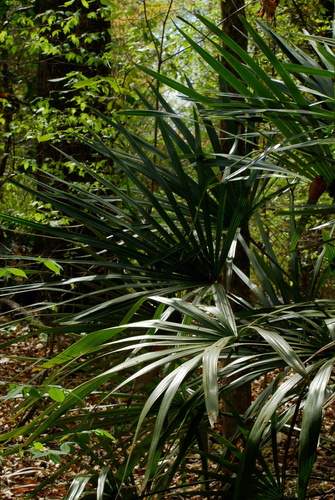
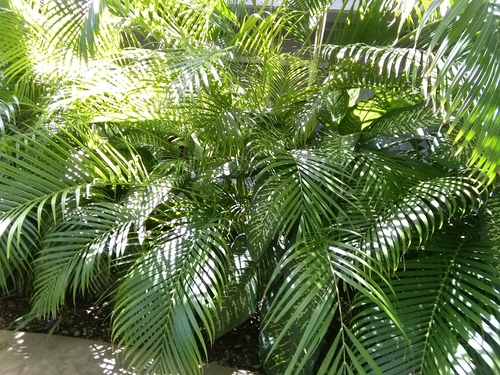
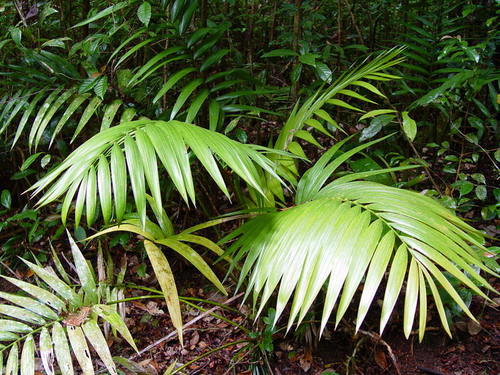
Howea forsteriana, commonly known as the Kentia palm, thatch palm, or palm court palm, is a species of flowering plant in the palm family Arecaceae. It is endemic to Australia's Lord Howe Island, and is also widely cultivated on Norfolk Island. This is a relatively slow-growing palm that can eventually reach 10 m (33 ft) in height and 6 m (20 ft) in width, with fronds growing up to 3 m (10 ft) long. Its common name comes from Kentia, the capital of Lord Howe Island. Its genus name Howea is taken from the island itself, while its specific epithet forsteriana honors Johann Reinhold Forster and Georg Forster, the father and son naturalists that accompanied Captain Cook on his second Pacific voyage from 1772 to 1775. Its seeds take six years to fully mature. The International Union for Conservation of Nature (formerly World Conservation Union) classifies this species as vulnerable. On Lord Howe Island, the species is cultivated by harvesting wild seeds, which are germinated and exported globally as an ornamental plant for gardens and indoor use. Trade in its seeds and seedlings is tightly regulated. This plant has been awarded the Royal Horticultural Society's Award of Garden Merit. The Kentia palm is an elegant plant, and it is very popular for indoor growing, as it requires only low light levels. Outdoors, it prefers tropical regions, but it can also grow in cooler climates. It can tolerate temperatures as low as -5 °C, but only for a few hours; its regular growing temperatures should not drop below 10 °C. It grows easily outdoors in areas including southern Australia and northern New Zealand, where it is quite common in private gardens and as a street tree. In the Northern Hemisphere, it can be grown as far north as southwest England. It also grows well in southern Spain and the southern United States, where it will produce flowers and fruit. The coasts of the southeastern Azores and Madeira have climates very similar to its native habitat. When grown outdoors, it will eventually reach a mature height of 6 to 18 metres. In its natural growing conditions, it grows as a solitary tree. Seed germination for this species is erratic. A closely related species, the Belmore sentry palm (Howea belmoreana), is also endemic to Lord Howe Island. It is smaller, reaching a maximum height of 7 metres, and grows mainly as an understorey plant in moist forests. Most potted Kentia palms sold at modern garden centers do not contain just one individual palm; rather, two to five seedlings are planted in clusters to give the potted plant a fuller, shrubbier look. Kentia palms remain relatively expensive to purchase. This is because seed export from Lord Howe Island is strictly controlled, seed germination rates are low, and the plant grows slowly, requiring years of cultivation before it reaches a saleable size. In Europe, most Kentia palms are nursery-grown in the Netherlands before being sold across the continent. They are more popular, less expensive, and easier to find in European countries than in the United States, where most commercial production takes place in Hawaii before plants are shipped to the mainland.