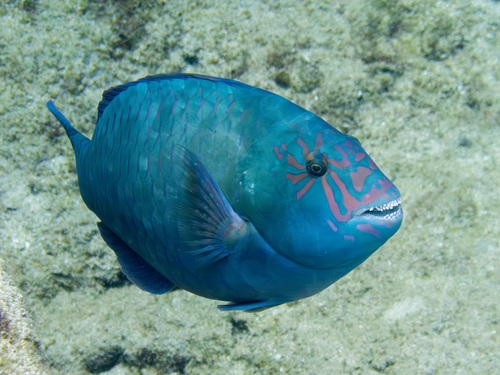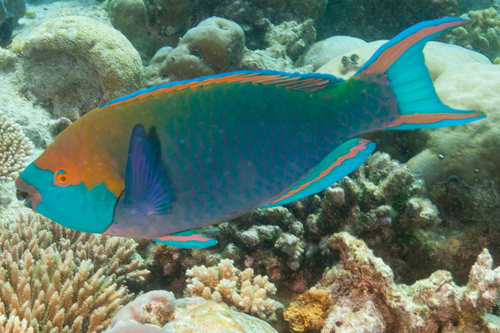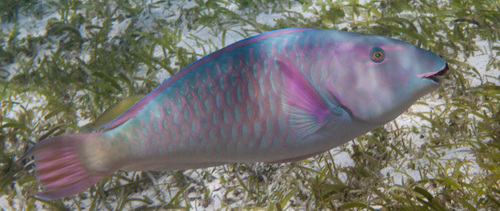
About Hipposcarus longiceps (Valenciennes, 1840)
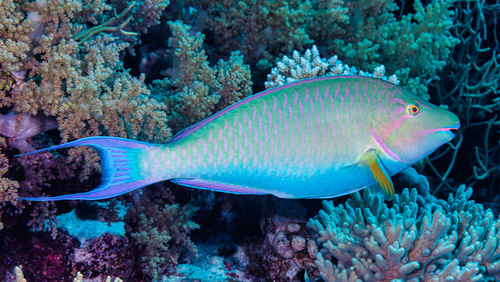
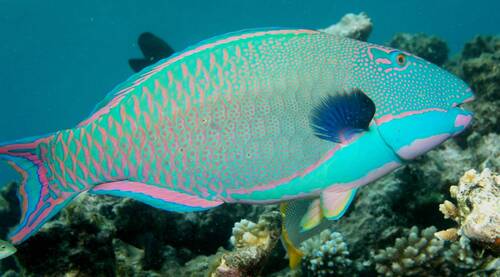
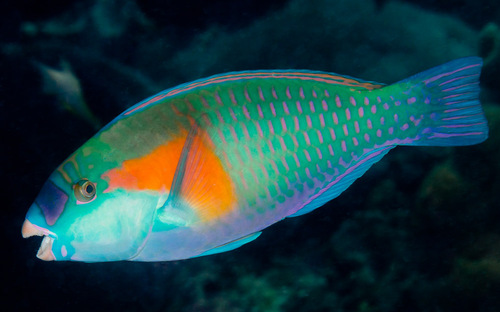
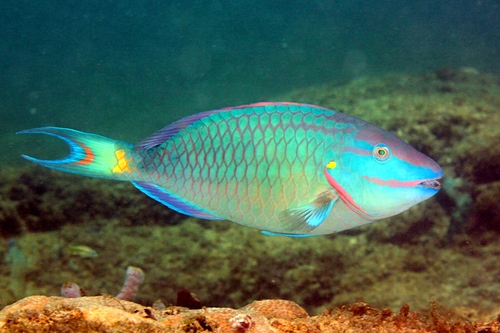
Hipposcarus longiceps, commonly known as the Pacific longnose parrotfish, is a species of marine ray-finned parrotfish belonging to the family Scaridae. This species is distributed across the eastern Indian Ocean and western Pacific Ocean. Its range extends from the Cocos-Keeling Islands and Rowley Shoals in the eastern Indian Ocean east to the Line Islands and Tuamotu islands, north to the Ryukyu Islands, and south to the Great Barrier Reef and New Caledonia.
Hipposcarus longiceps was first formally described in 1840 by French ichthyologist Achille Valenciennes (1794–1865) under the original name Scarus longiceps, with the type locality recorded as Waigeo, located in modern-day Indonesia. This species shows clear ontogenetic changes in otolith morphology: younger individuals have more rounded otoliths, while older individuals develop elongated, lobed otolith structures. These morphological differences are useful for species identification and for understanding growth stages in parrotfish taxonomy (Jawad, L.A, 2018).
Additionally, Hipposcarus longiceps is a diandric hermaphrodite. This means some individuals mature as males from birth, while other individuals transition from female to male later in life (Moore, 2022). The species is classified as Least Concern on the IUCN Red List, based on a 2012 assessment.