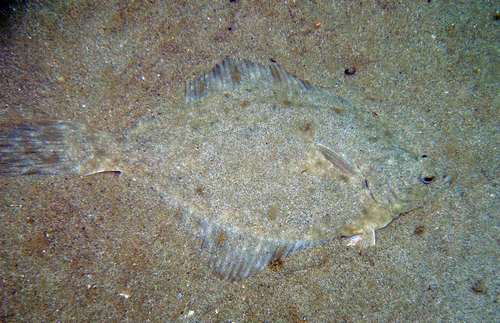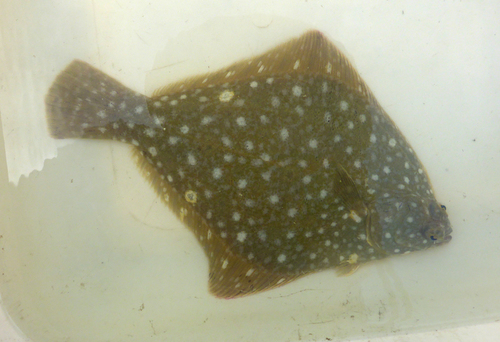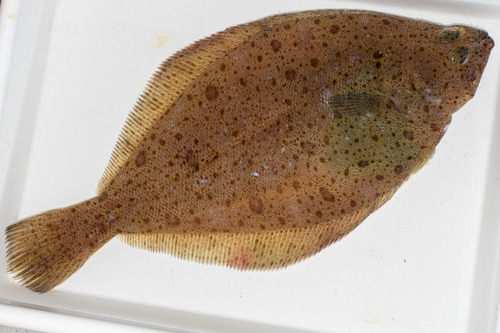
About Hippoglossoides platessoides (Fabricius, 1780)
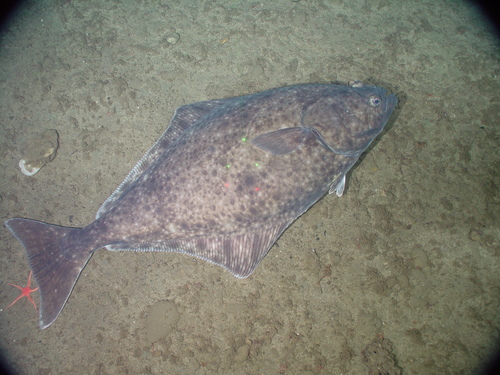
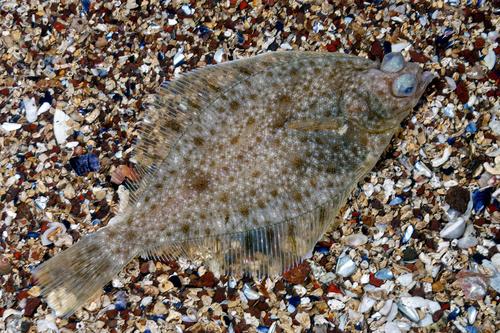
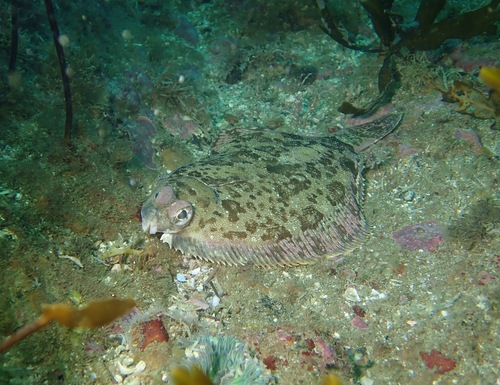
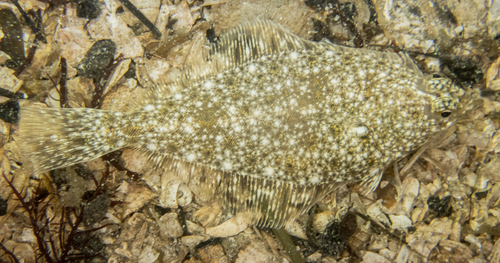
Hippoglossoides platessoides, commonly known as American plaice, American sole, or long rough dab, is a species of North Atlantic flatfish in the family Pleuronectidae, the group that includes other right-eyed flounders. This species is divided into two subspecies with distinct ranges. The nominate subspecies H. p. platessoides, found in the northwest Atlantic, occurs from Greenland and Labrador down to Rhode Island. The subspecies H. p. limandoides, found in the northeast Atlantic, ranges from Murmansk to the English Channel, Ireland, and Iceland, and only rarely enters the Baltic Sea. American plaice inhabit soft underwater bottoms, at depths ranging from 10 to 3,000 meters (33 to 9,843 feet), though most individuals live between 90 and 250 meters (300 to 820 feet). In the Gulf of Maine, the species' spawning season peaks in April and May. The maximum recorded total length for this species is 70 centimeters (28 inches). The Northwest Atlantic Fisheries Organization classifies this species as overfished, and notes there are no signs of population recovery. Canadian officials dispute this classification, stating the population has less than a 20% risk of extinction over the next 80 years. Despite this dispute, the species remains under the fishing moratorium first established in 1993. A 1997 study reported that American plaice are endangered in Canada as a result of overfishing. Within the species' European range, it is generally common. It is not actively targeted by commercial fishers, but is frequently caught as bycatch. American plaice may act as an intermediate host for the nematode parasite Otostrongylus circumlitis, a lungworm that infects seals, and primarily affects seals less than one year of age.