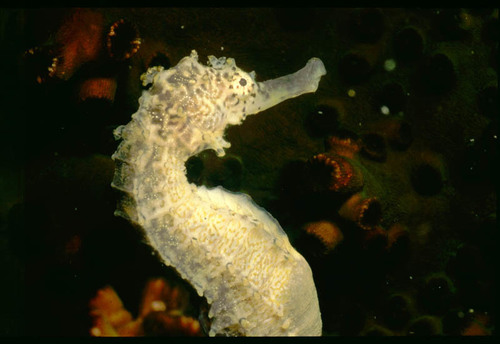
Hippocampus comes Cantor, 1849 is a animal in the Syngnathidae family, order Syngnathiformes, kingdom Animalia. Not known to be toxic.

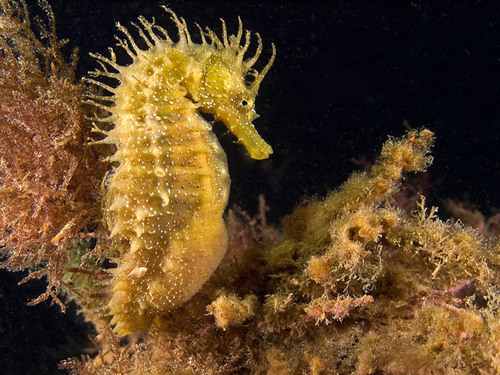
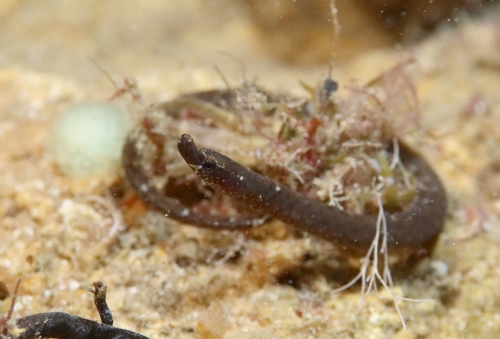
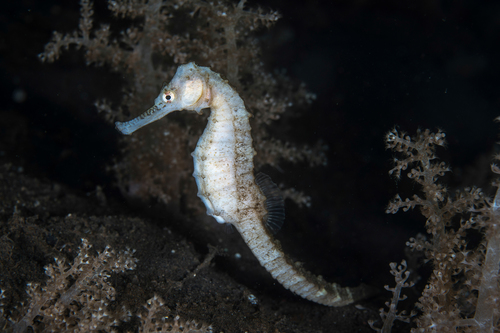
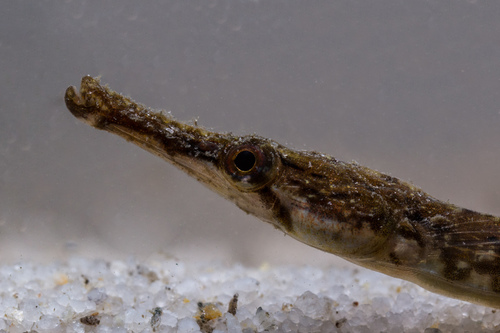
Photo of Hippocampus comes Cantor, 1849 (Hippocampus comes Cantor, 1849)
🦋 Animalia

Hippocampus comes Cantor, 1849

Hippocampus comes Cantor, 1849

The tiger tail seahorse (Hippocampus comes) is a medium-sized seahorse defined by its characteristic striped coloration and specific physical traits.

Family
Genus
Hippocampus
Order
Syngnathiformes
Class

About Hippocampus comes Cantor, 1849

Hippocampus comes Cantor, 1849, commonly called the tiger tail seahorse, is a medium-sized seahorse that reaches a maximum total length of around 15 centimetres (5.9 in). The coloration of this species is variable. Adults are generally black or brown, with yellow saddle-shaped markings on the upper body and yellow stripes on the tail, which gives the species its common name. Thin white stripes may appear in a radiating pattern around the eyes, and mottled patterns can be found across the entire body. Like all other seahorses, the tiger tail seahorse has bony plates arranged in rings throughout its body. This specific species has 11 trunk rings, and 33 to 37 tail rings. Its dorsal fin has 17 to 19 rays, while its pectoral fin has 16 to 19 rays. Two spines extend from each cheek, and there is also a prominent spine on the nose. The coronet, the crown-like spine structure on the head, is low and features five knobs.
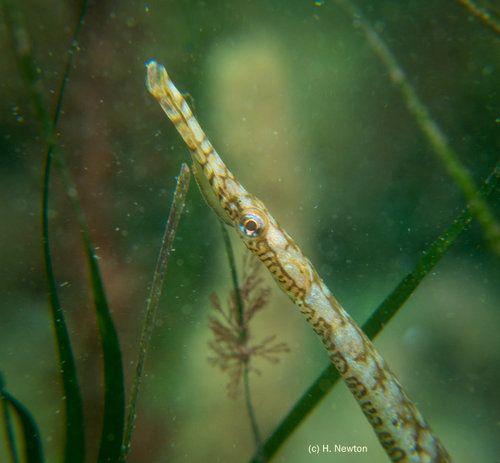
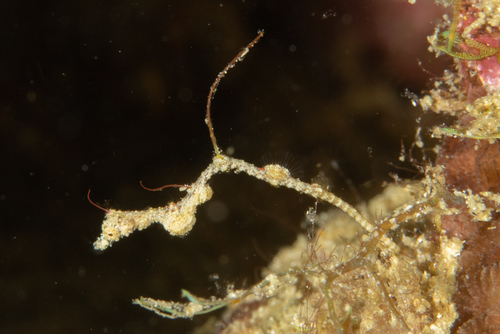
Photo: (c) seahorses_of_the_world, all rights reserved, uploaded by seahorses_of_the_world

Taxonomy

Animalia Chordata Syngnathiformes Syngnathidae Hippocampus

More from Syngnathidae

Sources: GBIF, iNaturalist, Wikipedia, NCBI Taxonomy · Disclaimer

Identify Hippocampus comes Cantor, 1849 instantly — even offline

iNature uses on-device AI to identify plants, animals, fungi and more. No internet needed.

Download iNature — Free

Start Exploring Nature Today

Download iNature for free. 10 identifications on us. No account needed. No credit card required.

Download Free on App Store