About Hierodula patellifera Serville, 1839
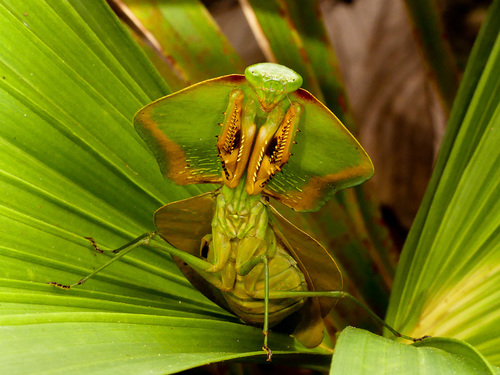
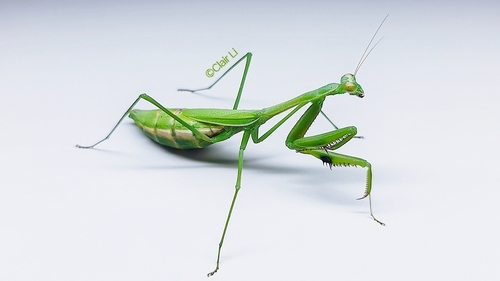
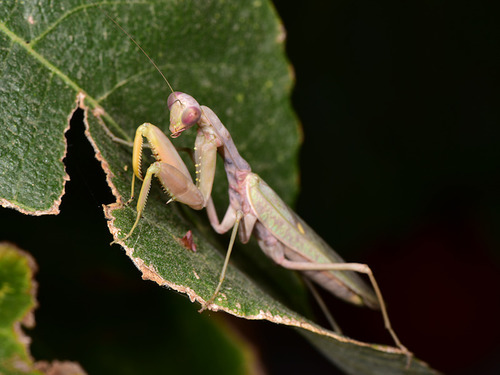
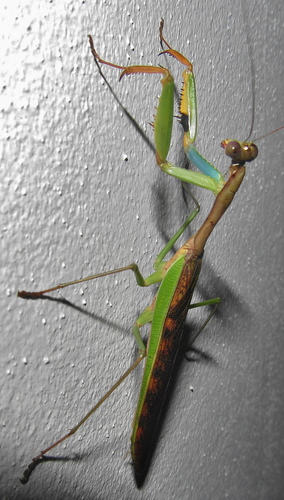
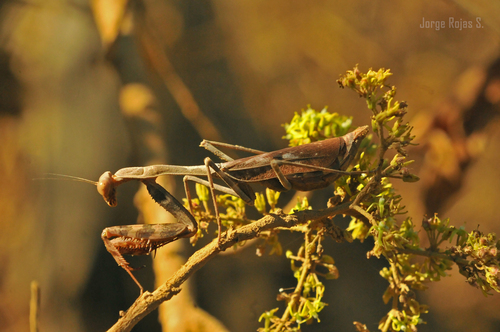
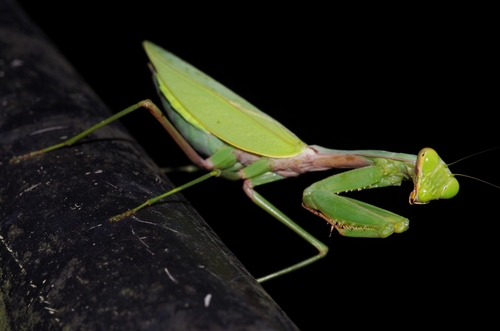
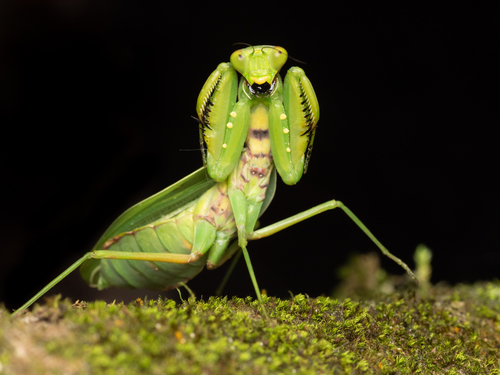
Hierodula patellifera Serville, 1839 is a species belonging to the subfamily Hierodulinae. It is recognizable by its distinct appearance: an elongated prothorax and slender body that give it an overall stick-like structure. This species occurs in Southeast Asia, where it inhabits grasslands and forests and uses its body form for effective camouflage. Males are approximately 5.19 cm long, while females average 6.06 cm long. Individuals can be either green or brown, so there are two distinct color morphs within the species. Considerable morphological diversity has been observed across different populations of H. patellifera. Studies have recorded variation in body size, the shape of foreleg spines, and genitalia size in specimens collected from Korea, Okinawa, Java, and Guam. This level of variation suggests high intraspecific variability with maintained genetic cohesion, which supports the classification of H. patellifera as a single taxonomic unit, though it may also represent a species complex. H. patellifera is native to Southeast Asia. Its introduction to regions far from its native range is almost entirely caused by human-related activities, including cargo transport originating from Asian countries and the species’ popularity in the exotic pet and invertebrate trade. As global trade has grown, H. patellifera has been found in Mediterranean countries. Thanks to its ability to adapt to new environments, the species has successfully established self-sustaining populations in southern France. The combined effects of increasing global trade and expansion of the exotic animal trade have allowed H. patellifera to spread beyond its native ecosystem. This spread has raised concerns that the species could compete with native species and destabilize local ecological systems.